Hair Loss Causes
Alopecia areata hair loss: signs, regrowth and treatment
Broadcaster Melanie Sykes’ update has renewed questions about alopecia areata.
By the Thicker Thinking Editorial Team
Published · Updated · 5 min read
Quick answerAlopecia areata is an autoimmune cause of patchy hair loss where the immune system targets hair follicles. Regrowth often happens, but timing and outcomes vary, so medical advice is important.
Broadcaster Melanie Sykes has shared new Instagram images highlighting extensive hair loss, drawing renewed attention to alopecia and what it means for regrowth and treatment, according to The Independent.
The Independent reports Sykes, 55, previously described being “two-thirds bald” and said she was diagnosed last year with alopecia alongside a heart condition and widespread inflammation, which she has linked to prolonged stress and PTSD.
What happened
The Independent says trichologist Anabel Kingsley explained that “Alopecia means any type of hair loss,” but in this context Sykes is likely referring to alopecia areata, an autoimmune form that targets hair follicles.
According to The Independent, alopecia areata occurs when the normal “immune privilege” of follicles breaks down, allowing immune cells to mistakenly attack them as if they were a threat.
The condition often presents suddenly with circular or oval bald patches that may be completely smooth or contain a few white hairs, The Independent reports.
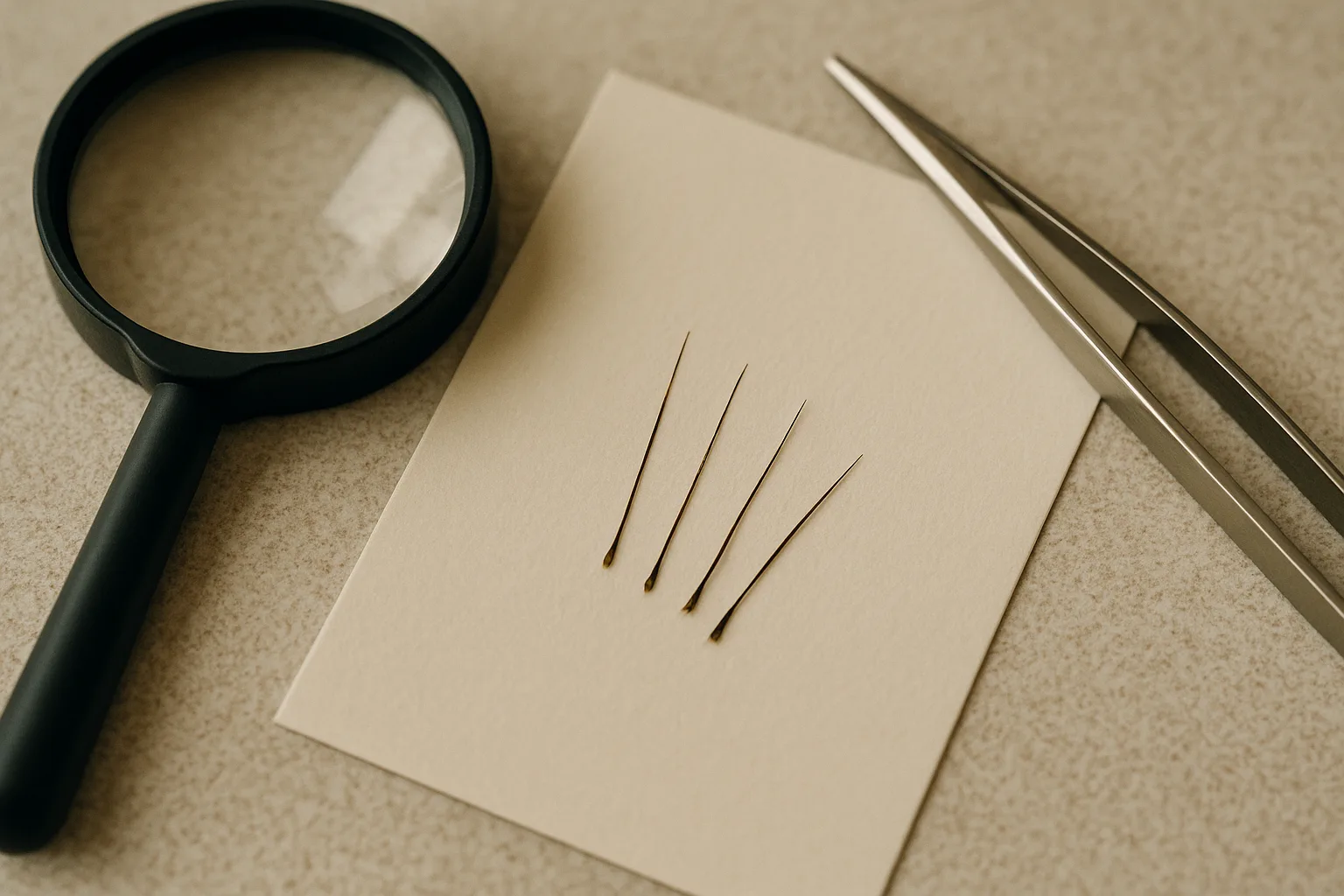
The Independent adds that short “exclamation mark” hairs – narrower at the base – can signal that a patch is active and may expand.
Kingsley advised, via The Independent, that early assessment by a GP, dermatologist or trichologist can help confirm the diagnosis and guide management.
Alopecia areata can affect any age, though The Independent notes it is more common when younger and may reappear around perimenopause and menopause, potentially linked to hormonal shifts.
Triggers are thought to include intense stress, certain illnesses and scalp trauma, and risk is higher in people with other autoimmune conditions, according to The Independent.
The background
Alopecia is an umbrella term covering different causes of hair loss, so outcomes depend on the specific diagnosis, according to simplywigs.co.uk.
Simplywigs.co.uk explains that non-scarring types such as alopecia areata may allow regrowth because follicles usually remain intact, while scarring alopecia destroys follicles and prevents hair from returning.
The site notes that telogen effluvium – a stress-related shedding – often improves over time, whereas long-standing traction alopecia from tight styles can become permanent if follicles are damaged.
Female pattern hair loss typically progresses gradually; treatments can slow change and support some regrowth, but results vary, simplywigs.co.uk adds.
Specialists emphasise the value of a clear diagnosis rather than self-diagnosing from online photos, as treatment and outlook differ by cause, simplywigs.co.uk advises.
In alopecia areata, regrowth may start with very fine, light or white hairs that become more visible as they thicken, according to simplywigs.co.uk.
Simplywigs.co.uk says this regrowth, when it occurs, tends to unfold over months, though there is no set timetable and some people experience recurrence.
Dermatologists generally advise monitoring progress with occasional photos in similar lighting rather than checking patches daily, which can increase anxiety without changing care.
For an overview of how clinicians assess hair loss and rule out other causes, our guide to Mayo Clinic’s approach to diagnosis and treatment options outlines typical steps.
In autoimmune forms, The Independent reports that topical minoxidil can be helpful for some people, especially where less than about a third of the scalp is involved.
More extensive or resistant cases may require prescription therapies from a specialist, though The Independent notes these conditions can be challenging because the immune system cannot simply be switched off.
Dermatologists generally caution that many over-the-counter products marketed online for “autoimmune hair loss” have limited evidence and can delay appropriate care if used in place of medical assessment.
Research groups are studying immune-targeting medicines for alopecia areata; early findings suggest some JAK inhibitors may help certain patients under specialist care, as explored in our report on upadacitinib and regrowth in alopecia areata.
The Independent highlights a commonly asked nutrition point: a possible link between alopecia areata and low vitamin D has been noted, so clinicians may consider checking levels as part of broader health assessment.
Dermatologists typically recommend a balanced diet that avoids restriction, aiming for steady protein and micronutrient intake to support hair growth while broader health issues are checked and treated where needed.
For readers wanting a broader map of conditions under the alopecia label, see our explainer on alopecia types, causes and warning signs.
What people are saying
According to The Independent, Kingsley describes alopecia areata as unpredictable: some people have a single patch that regrows, while others develop multiple patches over time.
The Independent notes that visible hair loss can have a significant psychological impact, and Kingsley encourages people not to blame themselves for stress-related triggers in an autoimmune condition.
Clinicians commonly advise early medical assessment for sudden patchy loss, rapidly expanding shedding or associated nail changes, to confirm the diagnosis and rule out other scalp disorders.
Trichologists generally recommend gentle hair care, avoiding tight styles, harsh treatments or scalp trauma that could aggravate fragile areas during active shedding.
People looking for practical cover options often explore wigs and toppers; our guide to NHS wigs, costs and help with charges explains typical pathways in the UK.
Specialists also emphasise mental health support when needed, as anxiety and low mood can accompany visible hair changes; referrals for talking therapies may help some people cope while treatment plans are made.
What happens next
For individuals, The Independent reports that many alopecia areata patches can regrow within about six months, while others take longer or recur, underscoring the need for personalised plans.
Simplywigs.co.uk adds that early regrowth often appears as fine, pale hairs, which can thicken and darken over time, but early changes do not guarantee a final outcome.
Dermatologists generally review for potential contributors such as recent illness, major life stressors or scalp trauma, and may arrange blood tests to check for issues like thyroid disease or vitamin deficiencies where appropriate.
If alopecia areata is confirmed, clinicians may discuss topical therapies, consider referral for specialist treatments in more extensive disease, and support camouflage options to reduce day-to-day impact.
Where diagnosis points to another cause, management shifts accordingly: telogen effluvium often settles as triggers resolve, while scarring alopecias need prompt anti‑inflammatory care to protect remaining follicles.
If you are noticing sudden small patches, our primer on hair loss in small patches: causes and next steps sets out common signs and when to seek advice.
For many, practical steps such as spacing checks, using gentle detangling and choosing comfortable cover options can reduce stress while awaiting regrowth or treatment response.
People who experience rapid progression, scalp pain or signs of infection should seek prompt medical advice, as these features may suggest conditions requiring urgent attention.
As research advances, more targeted treatments may emerge alongside established options, but specialists recommend caution with unproven online remedies and prioritising professional diagnosis and follow‑up.
If stress feels overwhelming, clinicians often suggest supportive care in parallel with hair treatment, because managing overall wellbeing can make living with alopecia more manageable.
Related: White hair causes: genetics, stress, thyroid and smoking
Related: South Korea weighs public health cover for hair loss treatments
Related: Alopecia areata: new guidance and trial results in 2026
Related: Miss USA contestant with alopecia universalis removes wig on stage
Related: Psychological effects of hair loss: stress, anxiety and shedding
Why this matters
Sudden patchy hair loss can be frightening, but alopecia areata often allows regrowth and support is available. A clear diagnosis guides realistic expectations and the right care. See a GP, dermatologist or trichologist promptly if you notice new bald patches or rapidly expanding shedding. Practical cover options, including NHS‑supported wigs, can help day to day while treatment plans are made. For small, round patches, our guide to hair loss in small patches and next steps explains what clinicians look for and when to seek help.
Common questions
- what is alopecia areata
- Alopecia areata is an autoimmune type of hair loss where the immune system attacks hair follicles, causing sudden oval or round bald patches. It can be unpredictable.
- what are signs of alopecia areata
- Common signs include smooth circular or oval bald patches and short ‘exclamation mark’ hairs at patch edges. Sudden onset is typical.
- does alopecia areata grow back
- Regrowth often happens because follicles are usually intact, but timing and extent vary. Some people have recurrences or longer‑lasting patches.
- how long does alopecia areata regrowth take
- When regrowth occurs, it may unfold over months. Early new hairs can appear fine and white before thickening. There is no guaranteed timetable.
- can stress trigger alopecia areata
- Intense stress is considered a potential trigger, alongside certain illnesses and scalp trauma, and risk is higher with other autoimmune conditions.
- what treatments help alopecia areata
- Care ranges from watchful waiting to topical therapies for limited patches, with specialist prescriptions for more extensive cases. A clinician will tailor options.
- is minoxidil useful for alopecia areata
- Topical minoxidil can help some people, especially when less than about a third of the scalp is affected, according to The Independent.
- who is more likely to get alopecia areata
- It can affect anyone, but it is more common when younger and may reappear around perimenopause and menopause, according to The Independent.
Sources
- The Independent: What is alopecia? Experts explain the hair loss condition after Melanie Sykes update | The Independent
- simplywigs.co.uk: Will Hair Grow Back After Alopecia? | Simply Wigs
- Healthline: How Alopecia Areata Is Treated
- The Independent: Melanie Sykes reveals hair loss after being left ‘two-thirds bald’ due to alopecia | The Independent
- Patient.info: Alopecia areata
- Harvard Health: Alopecia areata - Harvard Health
This article was written by Thicker Thinking using the sources listed above. It is for general information and is not medical advice. Speak to your GP, a dermatologist or a qualified trichologist about your own situation.