Hair Loss Causes
Hair loss in small patches: causes, signs and next steps
Small bald spots are not always stress. Doctors warn the cause matters because treatments differ and some conditions need prompt care.
By the Thicker Thinking Editorial Team
Published · 5 min read
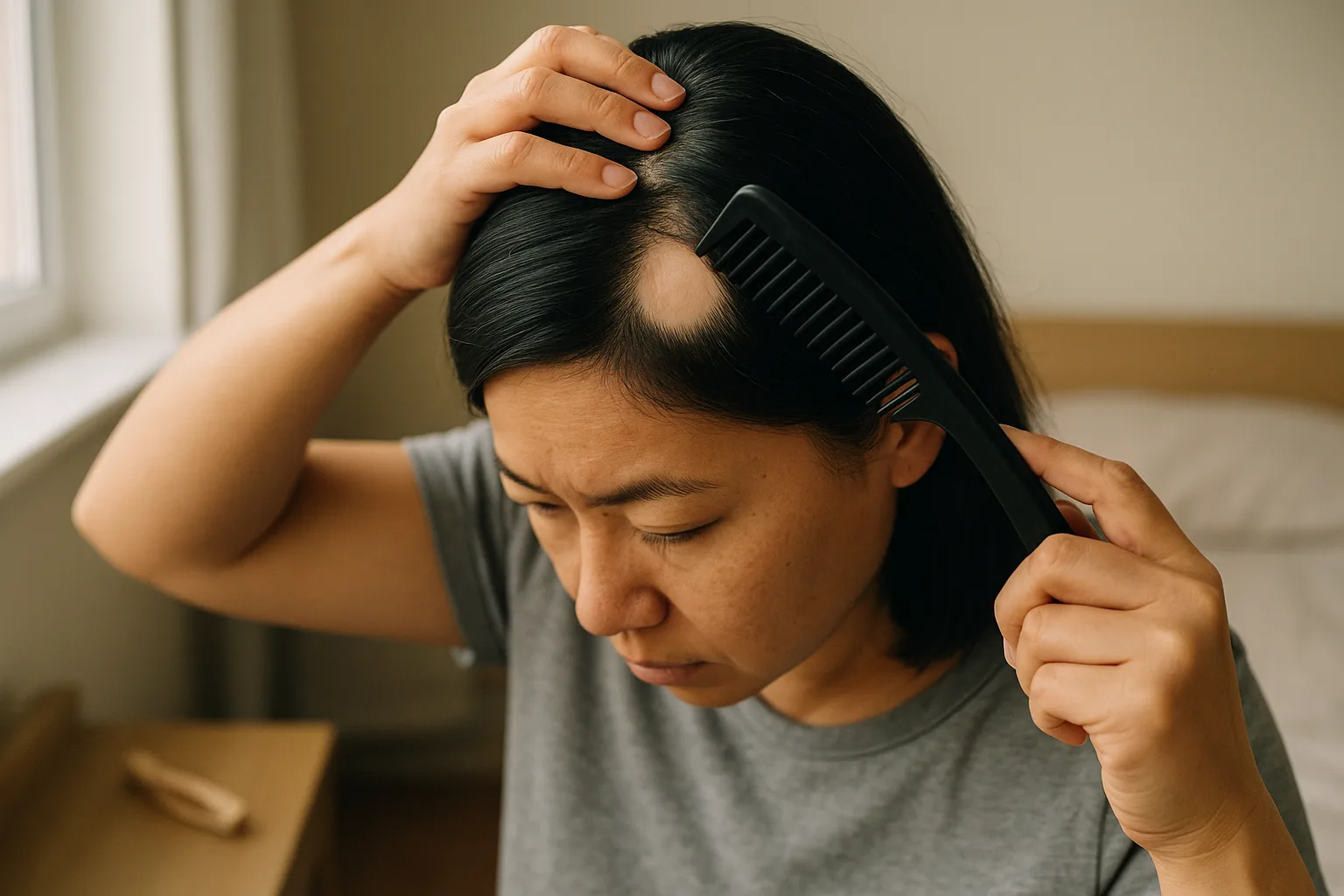
Quick answerSmall round bald spots are most often alopecia areata or a fungal scalp infection. According to Harvard Health and acibademinternational.com, diagnosis needs scalp examination and sometimes tests, because the treatment differs by cause.
Small, round bald spots can be alarming, and they are often pinned on stress. Clinicians say the pattern and the scalp surface offer better clues, because different causes need different treatments and some require urgent attention.
According to Harvard Health and acibademinternational.com, the two common culprits behind small patches are alopecia areata and fungal infection, with other conditions such as psoriasis, seborrhoeic dermatitis and traction on hair also in the frame.
What happened
Doctors describe alopecia areata as a typical cause of coin‑sized patches that appear suddenly on the scalp or in the beard, sometimes affecting both areas at different times.
Fungal infection of the scalp (tinea capitis) can also produce patchy hair loss, but the bald area usually looks scaly or flaky rather than smooth, which helps distinguish it from alopecia areata.
Harvard Health explains that patterned hereditary thinning tends to recede at the temples and thin at the crown, which looks different from a few discrete bald spots scattered across the scalp.
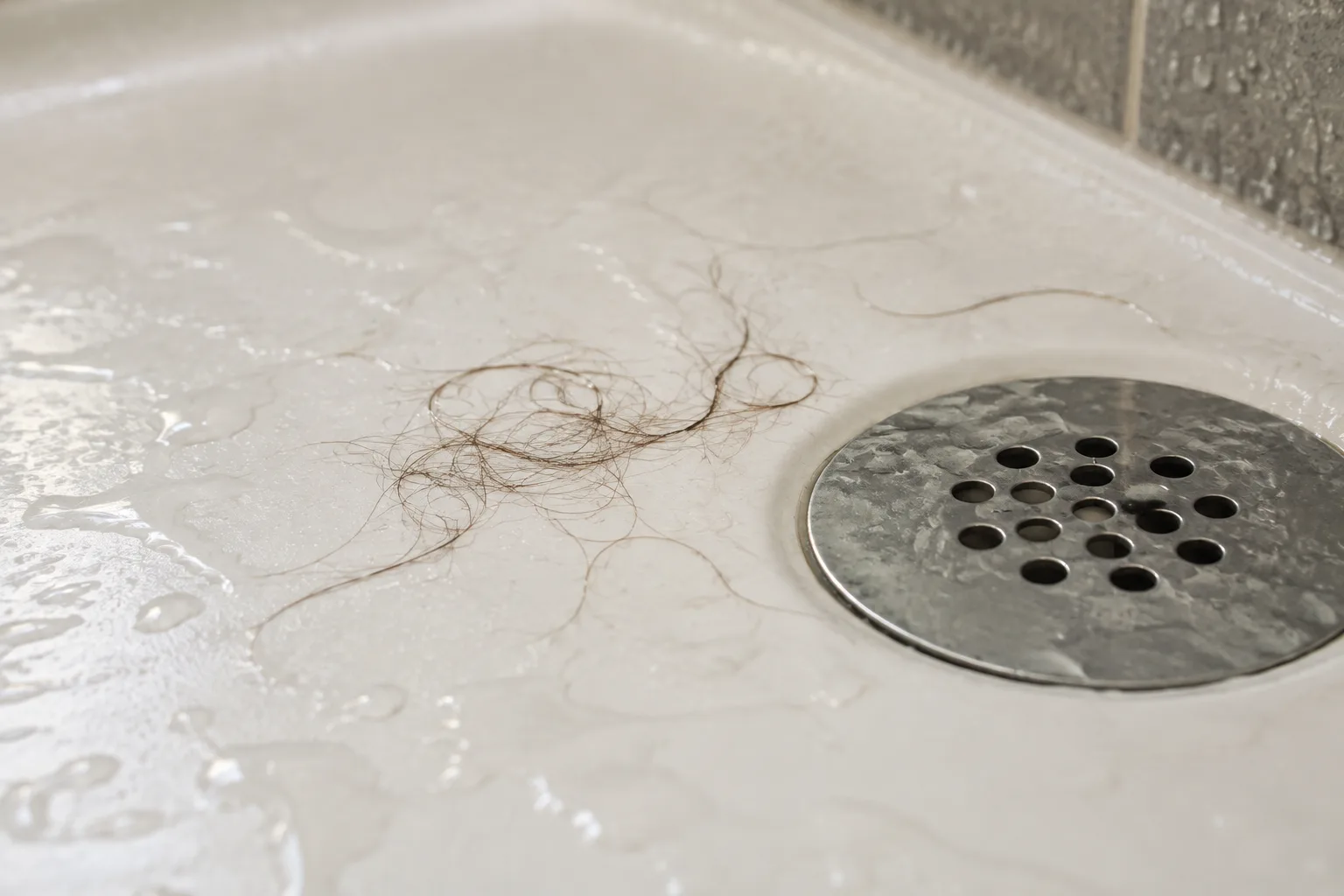
Stress‑related shedding (telogen effluvium) is more often diffuse across the head and typically appears several weeks after an illness, surgery or major life event, rather than forming perfect circles.
Alopecia areata can involve facial hair as alopecia barbae, where sharply edged bald islands appear in the beard; our guide to beard bald patches and what can help explains the signs specialists look for.
When the scalp surface has redness, pain, scale or pustules, clinicians consider infections or inflammatory scalp disorders first, as these can threaten follicles if left untreated.
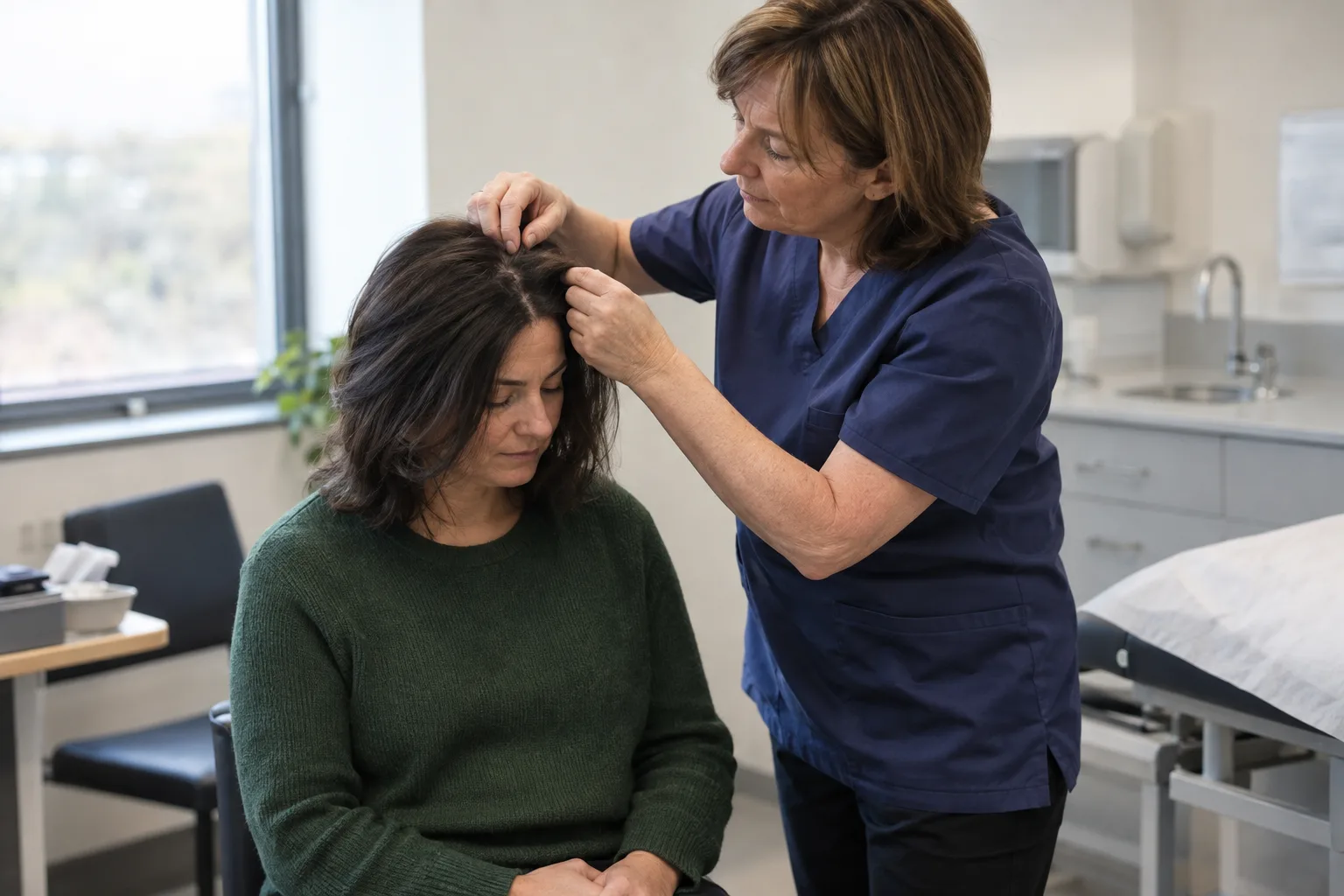
Harvard Health notes that diagnosis may include gently scraping the scalp to check for fungus under a microscope, which can confirm or rule out a contagious infection quickly.
If the cause remains unclear, a small scalp biopsy can examine hair follicles and surrounding skin, helping to separate non‑scarring conditions from scarring ones that need prompt care.
The background
Alopecia areata is an immune‑mediated condition that causes sudden hair loss in round patches, often leaving the skin smooth and normal‑looking between existing hairs.
Tinea capitis is a fungal infection that invades the hair shaft and surrounding skin; scaling, broken hairs and tenderness are common, and close contacts may also be affected.
Scalp psoriasis and seborrhoeic dermatitis can trigger inflammation and scale; the hair often regrows once the underlying skin condition is treated and scratching or harsh products are avoided.
Traction from tight hairstyles or heavy extensions may create patchy thinning at pressure points, particularly along the hairline; switching styles early helps prevent long‑term damage.
Trichotillomania, a hair‑pulling disorder, tends to cause irregularly shaped patches with hairs of varying lengths; our explainer on hair pulling and hair loss outlines common signs and support options.
Medication side effects and hormonal issues can contribute to hair loss, Harvard Health notes, so clinicians usually review prescriptions and consider blood tests where appropriate.
Acibademinternational.com summarises evidence that losing 50–100 hairs a day is within normal turnover, helping distinguish everyday shedding from a new, focal patch that warrants assessment.
The same source highlights that shedding after illness, surgery or childbirth (telogen effluvium) often settles on its own within months, whereas infections and inflammatory disorders usually need targeted treatment.
What people are saying
Dermatologists generally advise seeking assessment promptly for any new patch, particularly if it is scaly, painful or expanding, because early treatment can protect follicles.
Specialists often caution against applying strong steroid creams to scaly patches without a diagnosis, as this can mask fungal infections and delay effective antifungal therapy.
Harvard Health emphasises that the treatment should match the cause, and that a firm diagnosis comes before a plan, because approaches differ widely across conditions.
According to acibademinternational.com, JAK inhibitor medicines approved between 2022 and 2024 are now options for severe alopecia areata under specialist care, but they are not licensed for pattern hair loss.
The same review notes that topical minoxidil and oral finasteride for men have the strongest trial evidence for hereditary pattern baldness, which is different from small circular patches.
Acibademinternational.com also reports that high‑dose biotin has not shown benefits for hair in people without deficiency and can distort certain blood tests, so disclosure to clinicians is important.
Dermatologists generally suggest bringing a list of current medicines, recent illnesses and hair care practices to appointments, as these details often steer the examination and any tests.
If stress is suspected, clinicians often set expectations about timing and recovery; our guide on stress and hair loss explains why shedding usually appears weeks after a trigger and then improves.
People with patchy beard or scalp loss frequently ask about styling and camouflage; our overview of alopecia types and early warning signs covers temporary options while treatment begins.
What happens next
Where fungus is confirmed, doctors typically prescribe antifungal treatment and address household spread, as tinea capitis can pass between family members or close contacts.
For alopecia areata, options range from watchful waiting to medical treatments chosen by a specialist based on severity, extent and patient preference, with counselling about benefits and limits.
Acibademinternational.com highlights that newer JAK inhibitors have enabled many people with severe alopecia areata to regrow substantial hair in trials, though monitoring and medical oversight are required.
Pattern hair loss discovered alongside patchy loss is managed on its own merits, with minoxidil and, for men, finasteride having the strongest evidence according to acibademinternational.com, and benefits continuing only while used.
If the assessment suggests stress‑related shedding, reassurance and time are often the main “treatments”; our explainer on hair loss after surgery sets out typical recovery timelines.
Hair‑care adjustments can help protect fragile areas while waiting for regrowth: loosening tight styles, avoiding harsh chemicals on inflamed skin, and minimising heat over sensitive patches.
People who colour their hair or scalp to reduce contrast can do so more safely by patch testing dyes and choosing gentler techniques; our guide to safer colouring when hair is thinning lists practical tips.
If pain, scarring, rapid expansion or other red‑flag symptoms are present, urgent review with a GP, dermatologist or trichologist is sensible, as scarring forms of hair loss benefit from early intervention.
Why this matters
Small bald spots can be unsettling, but most are manageable when diagnosed early. UK readers who spot a new patch—especially if it is scaly, tender or spreading—should book a GP or dermatologist appointment promptly. A clear diagnosis steers effective treatment and avoids delays. If you’re unsure whether stress is to blame or you notice beard involvement, specialist input helps separate alopecia areata from infection or traction, and guides safe hair‑care choices while waiting for regrowth. Our overview of alopecia types and warning signs can help you prepare for your appointment.
Common questions
- what causes hair loss in small patches
- The most common causes are alopecia areata and fungal scalp infection. Harvard Health also lists psoriasis, seborrhoeic dermatitis, traction and some medical factors as possible contributors.
- is a scaly bald patch on the scalp a fungus
- A scaly or flaky patch is more suggestive of a fungal infection (tinea capitis) than alopecia areata. Doctors often confirm this with a simple scalp scraping.
- can stress cause small bald spots
- Stress shedding is typically diffuse, not neat circles. It often appears weeks after a trigger and gradually settles, rather than forming isolated smooth patches.
- can beard bald spots be alopecia areata
- Yes. Alopecia areata can affect the beard area (alopecia barbae) as well as the scalp, causing sharply edged, round patches of hair loss.
- how do doctors diagnose patchy hair loss
- Clinicians examine the scalp and may take a scraping to check for fungus. If unclear, a small scalp biopsy can help distinguish causes, Harvard Health notes.
- do minoxidil or finasteride help patchy hair loss
- They primarily treat hereditary pattern hair loss. Acibademinternational.com notes strong trial evidence for those conditions, which differ from isolated circular patches.
- are jak inhibitors used for alopecia areata patches
- Acibademinternational.com reports JAK inhibitors are licensed for severe alopecia areata, under specialist care. They are not approved for pattern hair loss.
- when should i see a doctor for a small bald spot
- Book promptly if a patch is new, scaly, painful or spreading, or if you’re unsure of the cause. Early diagnosis guides effective, targeted treatment.
Sources
- Harvard Health: What can cause hair loss in small patches? - Harvard Health
- acibademinternational.com: How to Stop Hair Loss: Treatments Ranked by Evidence
This article was written by Thicker Thinking using the sources listed above. It is for general information and is not medical advice. Speak to your GP, a dermatologist or a qualified trichologist about your own situation.