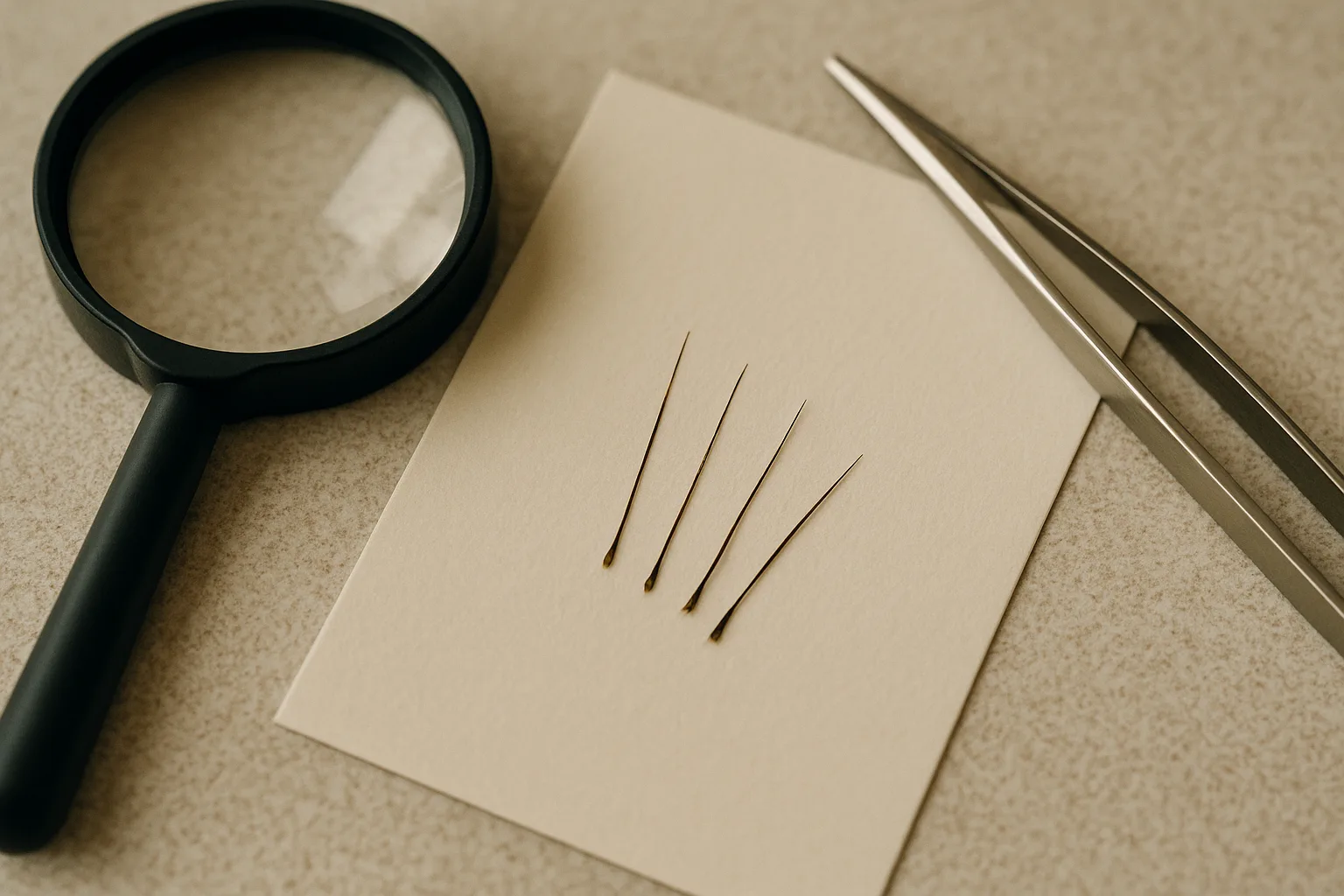
Hair Loss Causes
White hair causes: genetics, stress, thyroid and smoking
Hair goes white when melanin fades. Genetics dominates, but stress, thyroid disease, vitamin B12 lack and smoking can speed it up.
By the Thicker Thinking Editorial Team
Published · Updated · 5 min read
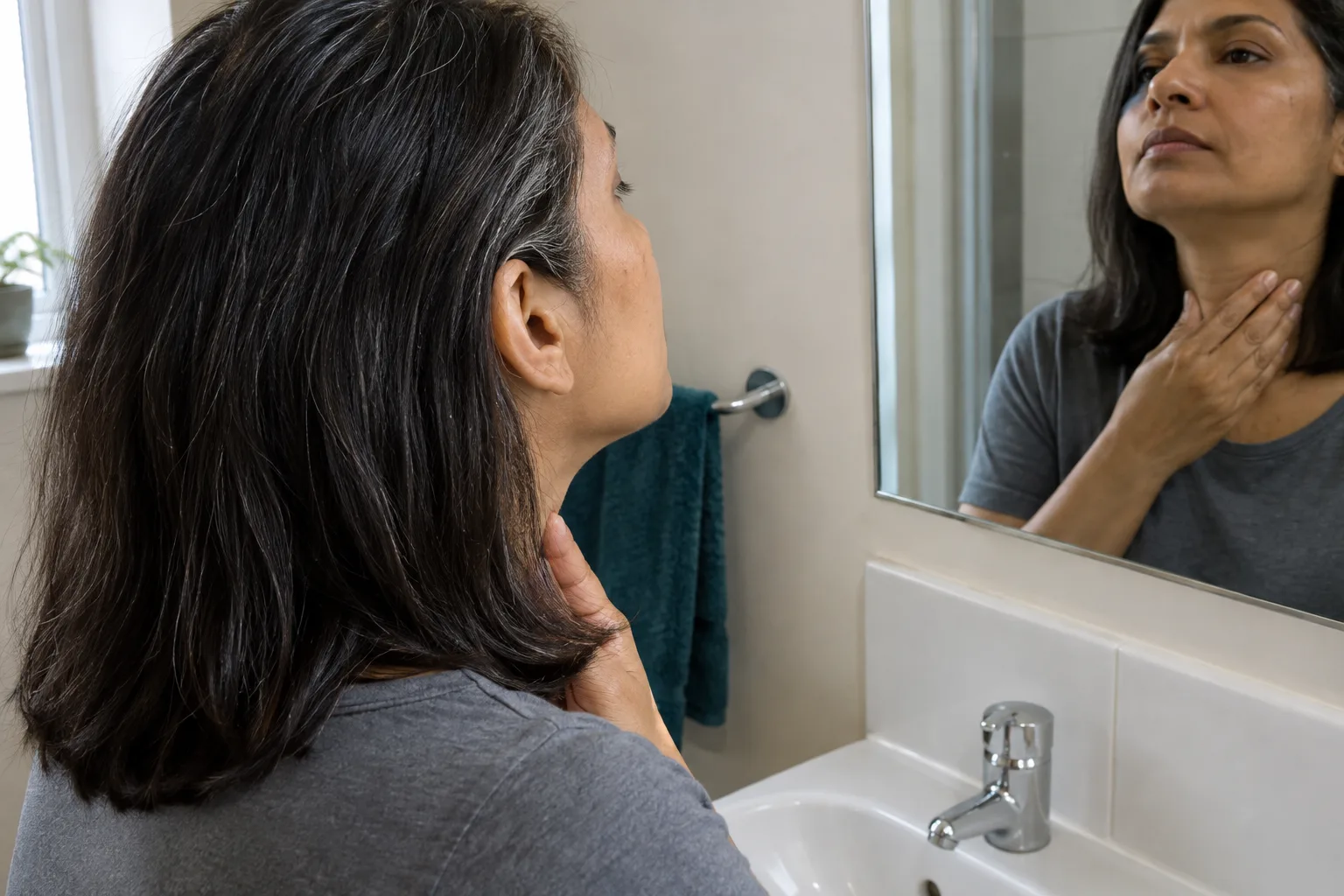
Quick answerHair turns white when pigment-making cells in each follicle slow or stop producing melanin. Genetics leads the timing, but stress, autoimmune disease, thyroid problems, vitamin B12 deficiency and smoking are also linked, according to Healthline and istanbul-care.com.
White and grey strands usually appear as we age, but colour change can arrive earlier for some people. Hair turns white when follicles make less melanin, the pigment that gives hair its shade, according to Healthline and istanbul-care.com.
While greying is not hair loss, some drivers of early white hair overlap with causes of shedding, such as thyroid disease and smoking. That matters for people noticing both colour change and thinning and wondering what to check first.
What happened
Researchers have mapped how pigment production works inside each follicle and why it wanes. Eumelanin and pheomelanin are the two main pigments shaping natural hair colour, and a drop in either can make new growth appear lighter, istanbul-care.com explains.
Melanin is made through a biochemical pathway that relies on enzymes such as tyrosinase and adequate micronutrients. Oxidative stress can damage this machinery, gradually reducing pigment output over time, according to istanbul-care.com.
Follicles also rely on a small pool of melanocyte stem cells to replenish pigment-producing cells. As these stem cells deplete or accumulate DNA damage, fewer mature melanocytes reach the hair bulb, so the growing shaft contains less pigment, istanbul-care.com notes.
Family history remains the strongest predictor of when greying starts. If parents or grandparents greyed early, you are more likely to follow a similar timeline, according to Healthline.
Stress has been linked to premature greying. A 2020 study cited by Healthline found stress can affect the stem cells responsible for regenerating hair pigment, offering a biological mechanism for faster colour change.
Autoimmune conditions can change hair colour by attacking pigment or the follicle itself. Healthline points to alopecia and vitiligo as examples where the immune system can reduce pigment and alter hair appearance.
Thyroid disorders are another medical cause. Overactive or underactive thyroid function can lower melanin production, which may show up as early greying alongside other thyroid symptoms, Healthline reports.
Vitamin B12 deficiency can be a factor in early white hair. Healthline links low B12 and pernicious anaemia with reduced oxygen delivery to hair cells, which may impair melanin production in the follicle.
Smoking has been repeatedly associated with earlier greying. Healthline highlights studies from 2013 and 2024 linking cigarette use to premature grey hair and notes smoking can constrict scalp blood vessels and expose follicles to toxins.
The background
By middle age, many people have visible white strands, though the amount varies with genetics and ethnicity. Healthline notes that by around 50, a significant portion of hair may be white for many adults.
Greying is biologically distinct from hair loss, but health issues can influence both. Thyroid disease can cause diffuse shedding, and smoking is linked to poorer scalp circulation, so colour change with increased shedding warrants a medical check.
In some situations, addressing an underlying cause may help. Healthline says treating a vitamin B12 deficiency or a thyroid disorder can sometimes increase pigment in follicles, though results vary and are not guaranteed.
Preventing greying entirely is not possible for most people. Healthline cites guidance that a healthy pattern—balanced diet, sufficient sleep, sun protection, stress management and not smoking—may help slow the pace for some, though evidence remains limited.
If greying appears unusually early, or arrives with fatigue, paleness, tingling, weight change, heat or cold intolerance, palpitations or skin colour changes, dermatologists generally advise speaking to a GP. Blood tests can check for B12 deficiency, anaemia and thyroid function.
Vitamin status can be checked rather than guessed. Our explainer on vitamins for hair loss: what helps and what to know outlines when deficiencies matter, and why supplements only help if you are lacking a nutrient.
Stress can alter hair biology as well as daily wellbeing. Practical approaches in does stress cause hair loss? Signs, timing and recovery may help people who notice greying after a demanding life event alongside increased shedding.
Autoimmune disease can change both hair density and colour. Our guide to alopecia areata hair loss: signs, regrowth and treatment explains how flare-ups can alter patches of hair and why specialist care is useful.
Colouring is a common cosmetic choice when greys arrive. Dermatologists generally advise patch testing and gentle techniques; see our piece on hair dye reactions: safer colouring when hair is thinning for practical precautions that also apply to healthy scalps.
What people are saying
Dermatologists generally advise that greying is a normal part of ageing and not a failure of care. They emphasise avoiding “miracle” claims and focusing on medical checks only when symptoms point to a treatable cause.
Specialists often recommend not smoking, given links with earlier greying and broader health harms. Stopping smoking supports circulation to follicles and reduces toxin exposure to the scalp, which benefits both colour and overall hair health.
Trichologists typically encourage gentler routines as hair greys. White strands can feel coarser due to less pigment and different cuticle behaviour, so milder cleansers and conditioners can help with manageability without promising colour change.
Clinicians commonly advise against frequent plucking of white hairs. Repeated traction can irritate follicles and may worsen the appearance of thinning in some areas, without altering the pace of greying elsewhere.
Because stress is implicated in premature greying, clinicians tend to recommend practical stress-reduction strategies. Sleep regularity, physical activity and structured support can help, even though evidence for reversing greying through stress control alone is limited.
When blood tests show B12 deficiency or thyroid dysfunction, doctors may treat the underlying problem and monitor hair over time. Specialists caution that pigment may not fully return even when health markers normalise, and timelines vary widely.
What happens next
Research into melanocyte stem cells and the enzymes that govern melanin production is ongoing. Scientists hope that understanding why pigment cells deplete could one day guide targeted treatments, but no approved therapy reliably reverses genetic greying today.
For people noticing new white strands, the next step depends on context. If greying starts unusually early or comes with other symptoms, a GP can check thyroid function, full blood count and vitamin levels, and consider dermatology referral if needed.
If smoking is in the picture, stopping is one of the few actions that consistently supports hair and general health. Evidence cited by Healthline connects smoking with earlier greying as well as compromised follicle blood flow.
Where tests are normal and health is otherwise good, decisions are mainly cosmetic and personal. Some embrace natural colour change; others explore low-commitment blends or professional colouring, ideally with patch tests and scalp-friendly products.
People experiencing both greying and increased shedding may want to track their hair changes. Our overview on how much hair loss is normal — and when to worry outlines what to expect and when to seek specialist advice.
Related: Does creatine cause hair loss? What new studies show
Related: Telogen effluvium hair shedding: the 6‑month decision point
Why this matters
Grey and white hair are a normal part of ageing, but early colour change can sometimes flag a thyroid disorder, vitamin B12 deficiency or high stress. Knowing when to check for underlying issues helps you focus on what’s actionable. Speak to a GP, dermatologist or trichologist if greying arrives very early, coincides with other symptoms, or comes with new shedding. Practical steps like stopping smoking and managing stress support overall scalp health. For cosmetic choices, patch-test dyes and prioritise gentle care, as in our guide to safer colouring when hair is thinning.
Common questions
- what causes white hair
- Hair turns white when follicles make less melanin, the pigment that colours hair. Genetics leads the timing, while stress, autoimmune disease, thyroid problems, vitamin B12 deficiency and smoking are also linked.
- can stress cause white hair to appear early
- Yes. A 2020 study cited by Healthline found stress can affect the stem cells that regenerate hair pigment, linking chronic stress to premature greying.
- does smoking make hair go grey faster
- Yes. Studies in 2013 and 2024 linked smoking to earlier greying, and smoking may also reduce scalp blood flow and expose follicles to toxins, Healthline reports.
- can thyroid problems or low b12 cause white hair
- They can. Healthline notes thyroid disorders and vitamin B12 deficiency are associated with early white hair by reducing melanin production in follicles.
- can you reverse white hair once it starts
- Sometimes, if an underlying cause is treated. Healthline says correcting B12 deficiency or thyroid disease may help, but there are no guarantees and genetics cannot be reversed.
- what age does hair usually turn white
- Timing varies by genetics and ethnicity, but Healthline reports that by around age 50 many adults have a significant proportion of white hair.
- is white hair a sign of hair loss
- Not by itself. Greying reflects pigment loss, not follicle loss. However, thyroid disease and smoking can influence both colour and shedding, so symptoms together merit checks.
- when should i see a doctor about white hair
- Seek advice if greying starts unusually early or comes with fatigue, paleness, tingling, weight change, palpitations or other thyroid or anaemia symptoms.
Sources
- Healthline: White Hair: Causes and Prevention
- istanbul-care.com: Why Does Hair Turn Gray With Age? Causes Explained
This article was written by Thicker Thinking using the sources listed above. It is for general information and is not medical advice. Speak to your GP, a dermatologist or a qualified trichologist about your own situation.