Real Stories
Miss USA contestant with alopecia universalis removes wig on stage
Mary Sickler competed at Miss USA preliminaries without a wig after disclosing alopecia universalis.
By the Thicker Thinking Editorial Team
Published · Updated · 5 min read
Quick answerMiss Nevada USA Mary Sickler took part in the Miss USA preliminaries without a wig, wearing a silver bejewelled headpiece. She has alopecia universalis and says she is the first woman to walk the Miss USA stage without hair.
Timeline
December 2024
Diagnosed with alopecia after initial patchy loss thought to be alopecia areata.
July 2025
Crowned Miss Nevada USA 2025.
September 2025
Publicly revealed her alopecia diagnosis and intention to compete at Miss USA.
October 2025
Competed in Miss USA preliminaries in Reno without a wig.
24 October 2025
Miss USA 2025 final scheduled.
Miss Nevada USA Mary Sickler stepped onto the Miss USA preliminary stage in Reno without a wig, choosing a silver, bejewelled headpiece instead. According to The Independent, the 22‑year‑old paired the headpiece with a blue‑gemmed halter gown and long earrings, drawing visible support from the audience.
She later marked the moment on Instagram, writing that she had hoped to bring confidence and authenticity to the stage. She added that she was proud to be the “first woman to walk the Miss USA stage without hair,” a claim she attributed to her experience of alopecia universalis.
What happened
The Independent reports that Sickler often wears a long brown wig during pageants, but chose not to in the preliminaries. Her silver headpiece and coordinated eveningwear stood out as she walked, with many comments on her social media praising the decision.
She shared photos from the evening and reflected on the years of work that led to her appearance. Her post emphasised that the moment was about more than pageantry, framing it as a statement about health, identity and representation.
Sickler says she is also the first woman with alopecia universalis to compete at Miss USA. Alopecia universalis is the most extensive form of alopecia areata, involving loss of all body hair, including eyelashes and eyebrows.
She continues in the 2025 competition, with the final due on 24 October. The preliminary walk has already prompted wider discussion about visibility for women with medical hair loss on major stages.
The background
Sickler’s hair loss began with patchy shedding and was initially thought to be alopecia areata, she told People in September, as reported by The Independent. After trying several medications without success, her symptoms progressed to full body hair loss and a diagnosis of alopecia universalis in December 2024.
As hair loss advanced, she experienced the loss of eyebrows and eyelashes, a change that can affect eye protection and day‑to‑day confidence. She has described a period of stepping back from modelling before deciding to re‑enter pageantry.
She won Miss Nevada USA in July 2025 and then publicly disclosed her diagnosis in September, positioning her platform around showing what is possible while living with alopecia. Her account highlights both the emotional strain and the practical adjustments that often follow sudden, visible hair changes.
Alopecia areata is an autoimmune condition in which the immune system mistakenly targets hair follicles, leading to patchy shedding. Alopecia universalis is the rarest, most extensive form, and can include the scalp, face and body. Regrowth can occur, but the course is unpredictable and varies widely between individuals.
Dermatologists generally advise confirming the diagnosis and excluding mimics such as fungal infection, scarring alopecias or hair‑shaft disorders. Baseline photographs and regular review help track changes, while blood tests may be offered when other autoimmune conditions are suspected.
Treatment choices depend on age, severity and personal priorities. Options for alopecia areata range from watchful waiting to topical or injected corticosteroids and, in some cases, systemic therapies. Newer Janus kinase (JAK) inhibitors are licensed for certain patients with severe disease, though responses differ and relapse can occur; guidance continues to evolve in new trial and guidance updates.
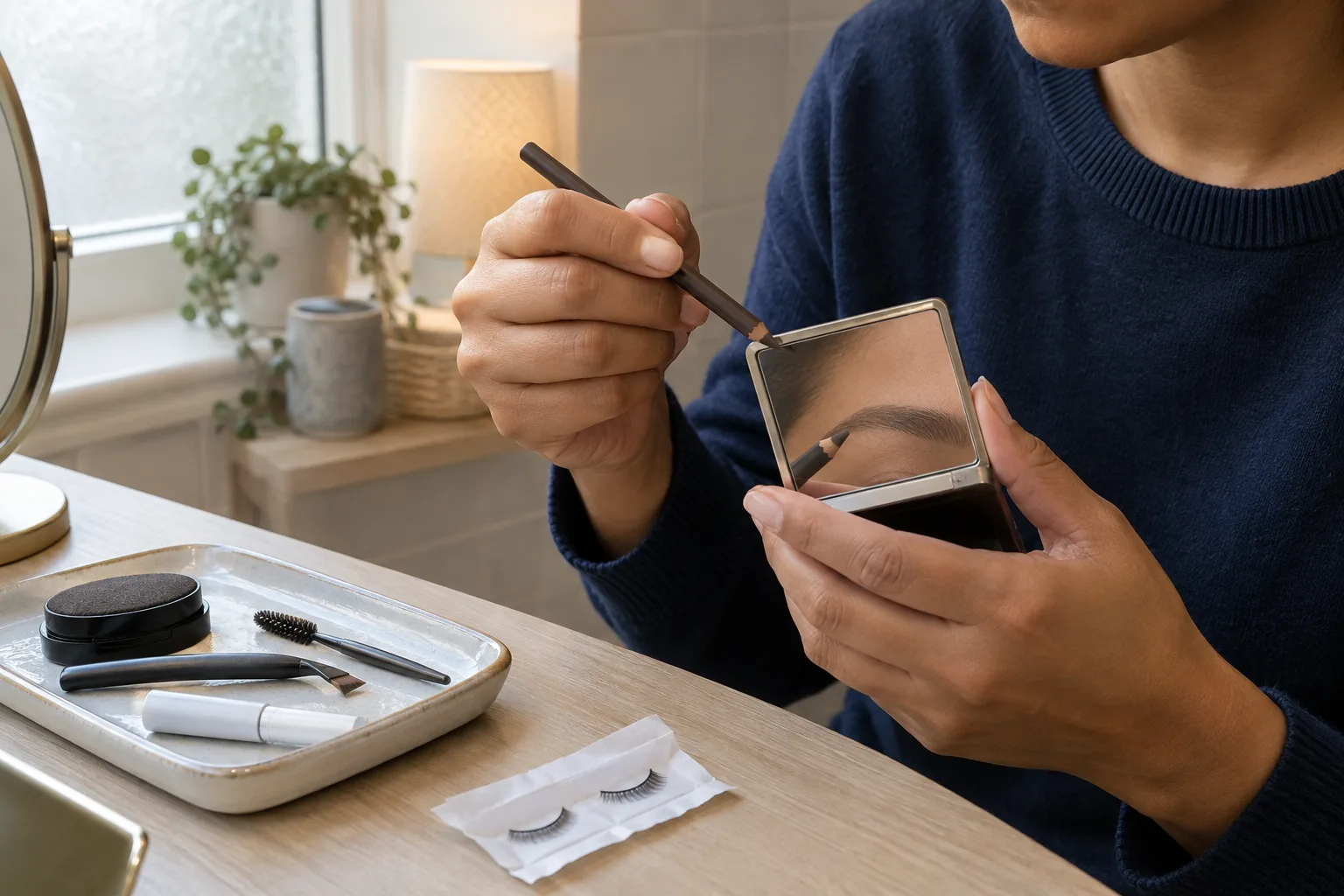
Non‑drug measures often support day‑to‑day comfort and appearance. These include wigs or head coverings, eyebrow cosmetics or micro‑pigmentation, and false eyelashes for selected users. Scalp and skin protection against sun and cold is essential when hair is sparse or absent, as is eye care when lashes are lost. Practical options and expectations are outlined in our explainer on alopecia areata signs, regrowth and treatment.
Emotional wellbeing can be strained by sudden changes in appearance. Clinicians in the UK commonly encourage access to psychological support, peer groups and workplace or education adjustments. Recent UK legal discussions on appearance‑related health issues have underscored the value of reasonable adjustments and sensitive handling, themes we covered in our piece on a UK ruling and female hair loss.
What people are saying
According to The Independent, comments under Sickler’s Instagram post praised her decision to compete without a wig and welcomed the visibility of a bald woman in a high‑profile event. Public reaction focused on confidence, presentation and the significance of being seen.
Dermatologists generally note that representation can help reduce stigma around hair loss, but there is no single “right” way to manage appearance. Choosing a wig, a headscarf or going without is a personal decision, and support should respect an individual’s comfort, culture and life stage.
Specialists also caution that alopecia areata and universalis behave unpredictably. Some people experience cycles of shedding and regrowth; others have more persistent loss. Even with newer medicines, outcomes vary and side‑effects can be significant, so shared decision‑making with a clinician remains important.
Recent studies of JAK inhibitors show promising regrowth in a proportion of patients with severe alopecia areata, but not everyone responds, and maintenance may be needed. We summarised emerging data, including on agents such as upadacitinib, in our coverage of trial results that boosted regrowth, noting ongoing safety monitoring and eligibility criteria.
Stress does not cause alopecia areata by itself, but flares may follow illness or life upheaval in some people. Early laboratory work has explored how immune “memory” might contribute to relapse after stress exposures, as seen in our report on stress and immune memory in mice. Human experiences differ, so personal triggers should be assessed case by case.
What happens next
Sickler remains in contention for the Miss USA 2025 crown, with the final set for 24 October. Whether she continues to compete without a wig or varies her styling, the preliminary walk has already expanded visibility for women with medical hair loss on a national stage.
For readers noticing sudden patches or rapid shedding, GPs can assess the scalp, check nails and brows, and consider referral to dermatology for confirmation and treatment planning. Early review is particularly helpful when eyelashes or eyebrows are affected, or if there is discomfort, itching or scalp scaling.
Day‑to‑day care can make a difference. Sun protection for a bare scalp and brows, gentle cleansing, and careful use of adhesives or accessories help reduce irritation. When wearing wigs or headpieces, minimising traction and avoiding harsh clips reduces breakage and skin strain. Our guide to scalp conditions that cause hair loss outlines red flags to watch for.
Access to newer therapies varies by region and eligibility. In the UK, clinicians follow national and local guidance for severe disease; discussions usually cover benefits, risks, monitoring and practicalities. Wigs and head coverings may be available via the NHS or specialist suppliers, and charities can offer advice on styling and support.
If you are considering treatment or struggling with the emotional impact, a GP, dermatologist or trichologist can help you weigh options, including non‑drug approaches. Many people blend medical care with styling solutions to match their lifestyle, and each path is valid.
Related: Louis Theroux alopecia update: hair loss now affecting eyebrows
Related: Alopecia areata: Halifax girl gets 3D prosthetic hair after bullying
Why this matters
Stories like this remind people living with hair loss that there is more than one way to move forward — with or without a wig — and that support is available. If you notice sudden patches, eyebrow or eyelash loss, or rapid shedding, it is worth speaking to a GP, dermatologist or trichologist. They can confirm the type of hair loss, rule out other causes and discuss treatments or styling options. For practical guidance on options and expectations, see our explainer on alopecia areata signs, regrowth and treatment.
Common questions
- who is the miss usa contestant with alopecia universalis
- Mary Sickler, the current Miss Nevada USA, has alopecia universalis and competed in the Miss USA preliminaries without a wig, according to The Independent.
- what did mary sickler wear instead of a wig at miss usa prelims
- She chose a silver, bejewelled headpiece and paired it with a blue‑gemmed halter gown and long earrings, The Independent reported.
- when was mary sickler diagnosed with alopecia universalis
- She was diagnosed in December 2024 after initial patchy loss thought to be alopecia areata progressed to complete body hair loss, per The Independent.
- did mary sickler say she was the first woman to walk miss usa stage without hair
- Yes. On Instagram she said she was the “first woman to walk the Miss USA stage without hair,” as reported by The Independent.
- when is the miss usa 2025 final
- The Miss USA 2025 final is scheduled for 24 October, according to The Independent.
- when did mary sickler reveal her alopecia diagnosis publicly
- She shared her diagnosis publicly in September 2025, after being crowned Miss Nevada USA in July, as reported by The Independent.
- how old is mary sickler
- She is 22 years old, according to The Independent.
- what treatments had mary sickler tried before her diagnosis changed
- She tried different medications, but her symptoms worsened, leading to an alopecia universalis diagnosis, The Independent reported.
Sources
- The Independent: Beauty pageant contestant stuns audience by ditching her wig in bold health statement | The Independent
- justjared.com: Taylor Swift & Travis Kelce Spotted Leaving NYC's Hot New Private Members Club After a Friday Night Dinner Date | Just Jared - Celebrity News, Entertainment News & Photos
This article was written by Thicker Thinking using the sources listed above. It is for general information and is not medical advice. Speak to your GP, a dermatologist or a qualified trichologist about your own situation.