Hair Loss Causes
Endometriosis and hair loss: what links them and what to check
Research has not confirmed a direct link, but several endometriosis‑related factors can influence shedding and thinning.
By the Thicker Thinking Editorial Team
Published · Updated · 5 min read
Quick answerThere is no proven direct link between endometriosis and hair loss. According to Medical News Today, shedding is more likely from medication side effects, stress, iron deficiency or co‑existing conditions such as alopecia areata or PCOS/PMOS.
Endometriosis is a painful condition with wide‑ranging effects, and hair concerns are increasingly part of that picture. Current evidence does not show a direct cause‑and‑effect link between endometriosis and hair loss, but several related factors can change how hair grows and sheds, according to Medical News Today and yourdaye.com.
Researchers in Taiwan reported a higher risk of alopecia areata — an autoimmune form of patchy hair loss — among people with endometriosis. Other research highlighted stress, medication side effects and iron‑deficiency anaemia as plausible pathways to shedding or thinning in those living with the condition, Medical News Today reports.
What happened
A 2021 Taiwanese study cited by Medical News Today found people with endometriosis had an increased likelihood of developing alopecia areata, suggesting an autoimmune overlap that could impact hair.
Medical News Today notes that danazol, occasionally prescribed for endometriosis, can cause oily hair and hair loss as listed adverse effects, although not everyone taking it will experience these changes.
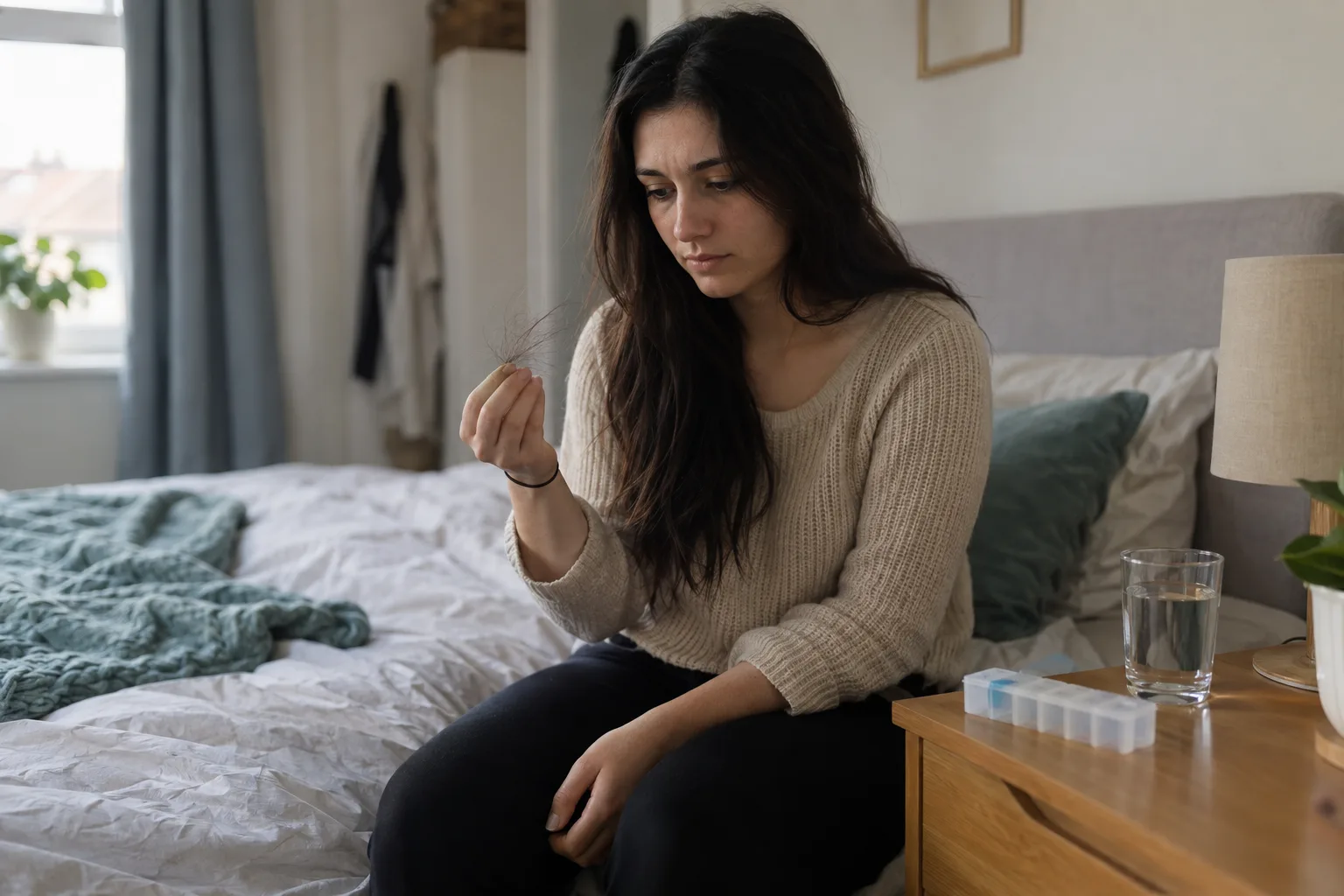
A 2025 review discussed in Medical News Today outlines a two‑way relationship between stress and hair loss, where stress can trigger shedding and visible hair change can in turn worsen stress levels.
A 2023 study referenced by Medical News Today linked higher stress levels to more pronounced hair loss, indicating a dose‑response pattern that may be relevant to those with painful, persistent symptoms.
Two 2024 studies cited by Medical News Today suggest iron‑deficiency anaemia is more common in people with endometriosis and frequently goes undiagnosed, which matters because low iron stores can contribute to diffuse shedding.
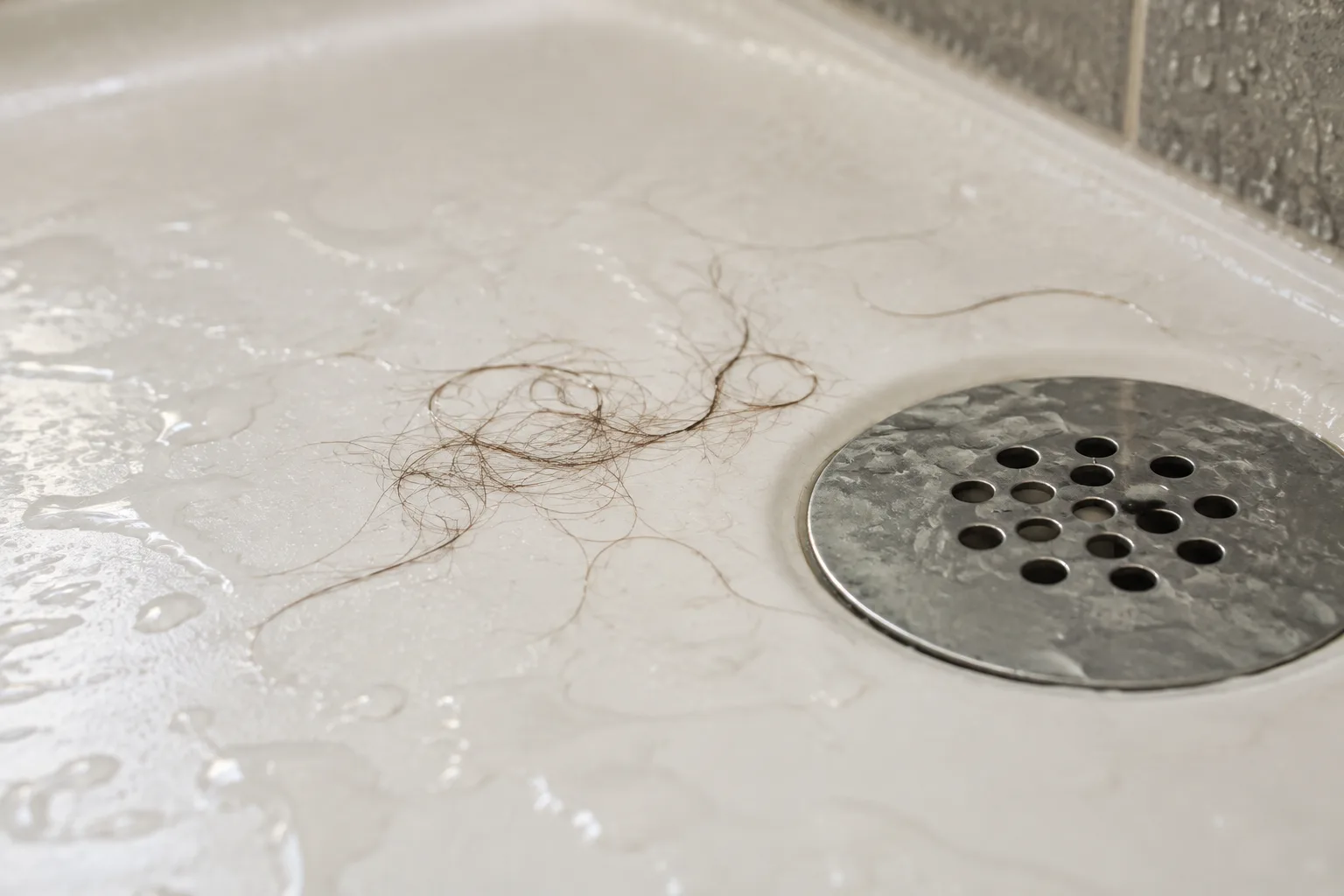
Medical News Today also highlights that some shedding is normal, with most people losing 50–100 hairs a day, so noticeable clumps or patchy loss may signal a separate issue needing assessment.
According to yourdaye.com, polyendocrine metabolic ovarian syndrome (PMOS, formerly PCOS) can cause both female‑pattern scalp thinning and hirsutism, and may co‑exist with endometriosis in some individuals.
The background
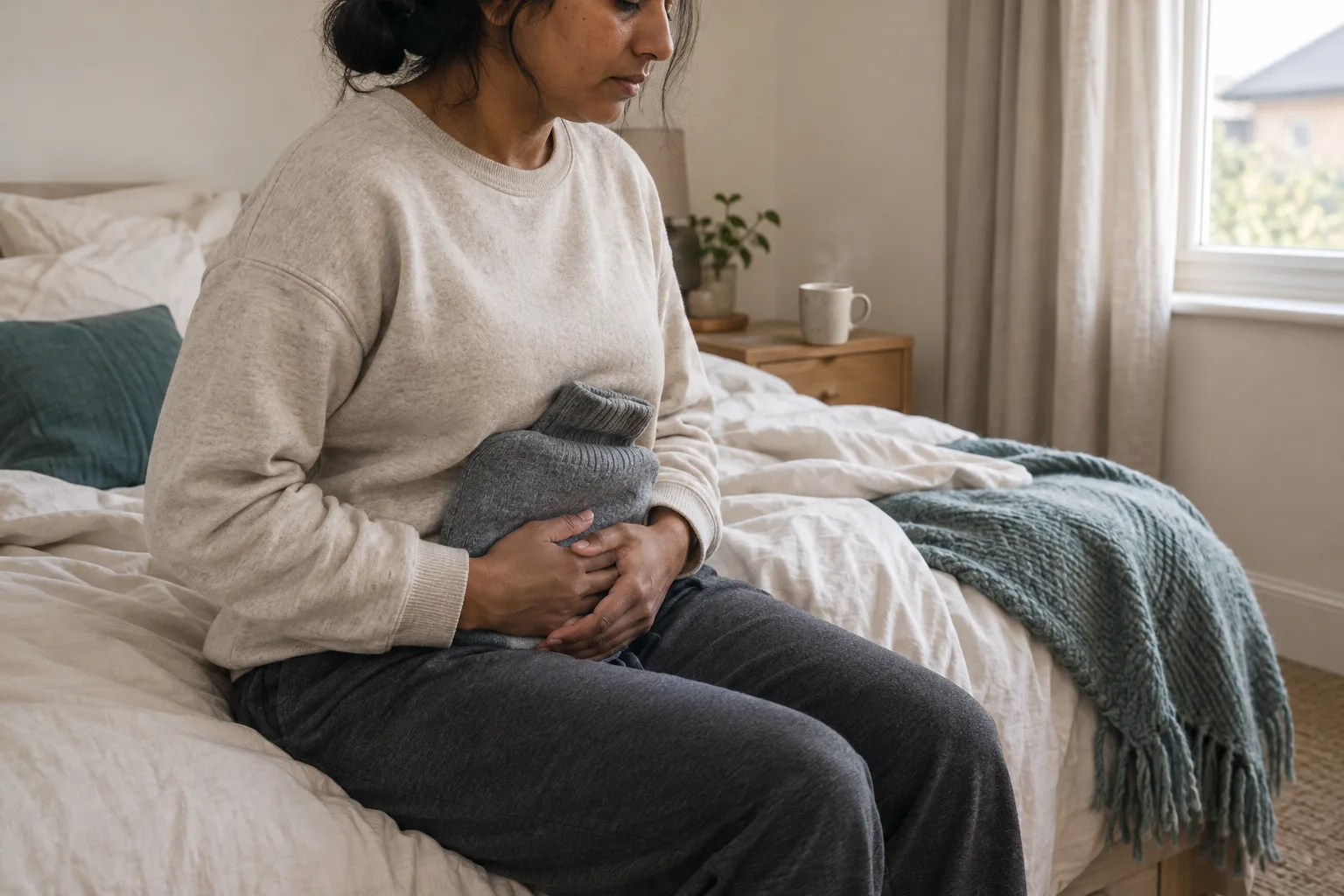
Endometriosis occurs when tissue similar to the womb lining grows outside the uterus, often causing severe period pain, heavy bleeding and fatigue. Hair loss in this context can arise indirectly from treatments, co‑existing conditions or nutrient deficiencies, Medical News Today explains.
Alopecia areata is an autoimmune condition where the immune system targets hair follicles, leading to sudden, round or oval bald patches. The Taiwanese data reported by Medical News Today suggest people with endometriosis may face a higher risk of this form of hair loss.
Stress‑related shedding typically presents as telogen effluvium, a temporary state where more hairs shift into the resting phase and fall out several weeks later. Medical News Today describes an association between endometriosis and chronic stress, aligning with evidence that stress and hair loss influence each other.
Iron‑deficiency anaemia reduces the oxygen‑carrying capacity of blood and can weaken hair growth. Medical News Today reports 2024 findings that iron deficiency is both common and often unrecognised in people with endometriosis, making blood tests a practical step if shedding increases.
Medication side effects are another possible pathway. Medical News Today notes danazol’s potential to trigger hair changes, reminding patients to seek review if new shedding starts after a treatment change for endometriosis.
PMOS/PCOS, described by yourdaye.com, involves hormonal imbalance and can cause female‑pattern hair loss through dihydrotestosterone‑driven miniaturisation, alongside hirsutism. Considering PMOS/PCOS is important if thinning occurs with acne, irregular periods or increased facial or body hair.
If you are unsure whether your shedding is outside the usual range, our guide on how much hair loss is normal — and when to worry explains what to look for and when to seek advice.
What people are saying
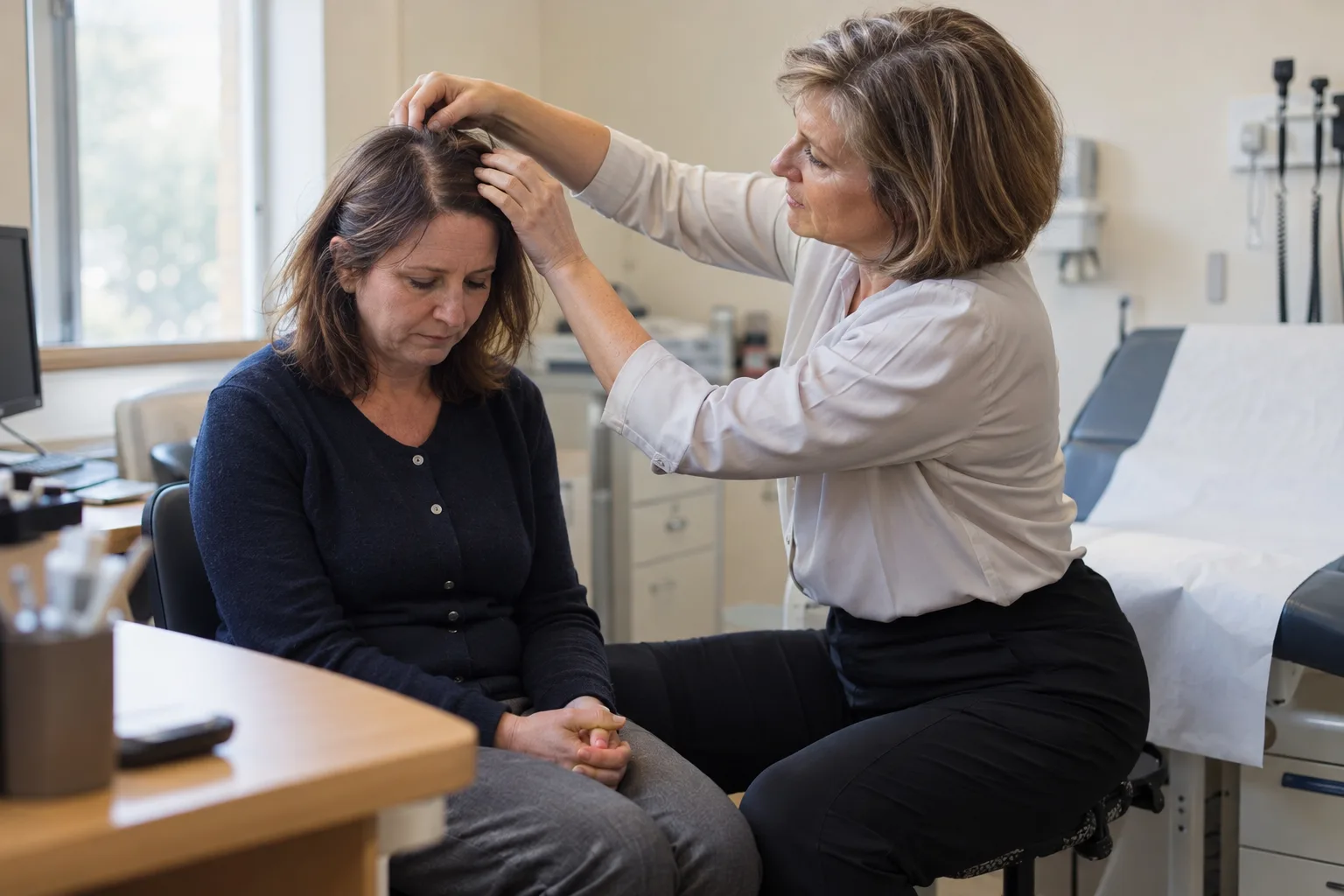
Dermatologists generally advise starting with a clinical review: document timing of shedding, recent medication changes, and any pattern such as widening parting or round patches, then examine the scalp for inflammation or tenderness.
Specialists typically recommend blood tests when shedding is new or unexplained, prioritising iron studies when heavy periods or fatigue are present, as Medical News Today reports iron deficiency is common and often missed in endometriosis.
Clinicians often screen for autoimmune clues if patchy loss suggests alopecia areata, which has been observed at higher rates in people with endometriosis in the Taiwanese research highlighted by Medical News Today. Our explainer on alopecia areata hair loss: signs, regrowth and treatment outlines typical patterns.
Where thinning follows a female‑pattern distribution, many clinicians consider androgen‑driven causes. yourdaye.com explains that PMOS/PCOS can drive scalp miniaturisation and hirsutism due to higher androgen activity, guiding work‑up and management pathways.
If stress episodes or ongoing pain correlate with shedding, clinicians may discuss supportive strategies alongside medical care, reflecting evidence that stress and hair changes influence each other. Our guide on does stress cause hair loss? Signs, timing and recovery details typical timelines.
For people concerned about nutrition, healthcare professionals often check whether diet and ferritin levels are sufficient for hair growth, especially when bleeding is heavy. Our overview on vitamins for hair loss: what helps and what to know sets out what is and is not supported by evidence.
Medication reviews are commonly advised when hair changes follow new endometriosis treatments. Medical News Today notes danazol’s potential to affect hair; discussing benefits and risks with a clinician helps tailor options to symptoms and preferences.
What happens next
Medical News Today says the evidence so far does not prove a direct causal link between endometriosis and hair loss, so larger, longer studies are needed to clarify how autoimmune risk, stress biology and iron deficiency intersect in this group.
For patients, next steps usually involve tracking symptoms, booking a GP or dermatology appointment if shedding increases, and asking about tests for iron deficiency and other common contributors where appropriate.
People noticing bald patches, rapid clumps of shedding, scalp pain or burning, or hair changes soon after a new medication should seek prompt assessment so that potentially reversible causes are not missed.
Those who have signs of PMOS/PCOS alongside thinning, such as acne, irregular periods or increased facial/body hair, may benefit from targeted evaluation, as yourdaye.com outlines how hormonal imbalance can drive female‑pattern hair loss.
Support for pain, sleep and stress management can be part of a comprehensive plan, reflecting evidence that stress and hair loss can drive each other. Our explainer on how much hair loss is normal — and when to worry includes practical pointers for monitoring change.
People should feel reassured that many causes of shedding are manageable or temporary, and individualised plans from a GP, dermatologist or trichologist can align endometriosis care with scalp health priorities.
Why this matters
For people in the UK living with endometriosis, hair changes can add to pain, fatigue and anxiety. Understanding that shedding often relates to stress, iron deficiency, autoimmune risk or medication side effects helps you focus checks that matter. It is worth speaking to a GP, dermatologist or trichologist if shedding speeds up, bald patches appear, scalp symptoms develop, or hair changes follow a new treatment. For guidance on nutrients and ferritin, see our overview on vitamins for hair loss: what helps and what to know.
Common questions
- can endometriosis cause hair loss
- There is no proven direct link. According to Medical News Today, hair changes are more likely from medication side effects, stress, iron deficiency, or a co‑existing condition.
- does endometriosis increase risk of alopecia areata
- Yes, a Taiwanese study cited by Medical News Today found a higher risk of alopecia areata among people with endometriosis compared with those without it.
- which endometriosis medications can cause hair loss
- Medical News Today notes danazol lists hair loss among possible adverse effects. Not everyone experiences this, so discuss any new shedding with your clinician.
- is hair loss in endometriosis due to stress
- It can be. Medical News Today reports evidence of a two‑way link between stress and hair loss, and endometriosis is associated with chronic stress.
- is iron deficiency common in endometriosis and can it cause hair loss
- Yes. Studies cited by Medical News Today suggest iron‑deficiency anaemia is common and often missed in endometriosis, and low iron stores can contribute to shedding.
- how do pcos or pmos affect hair
- yourdaye.com explains PMOS/PCOS can cause female‑pattern thinning via androgen‑driven miniaturisation and also hirsutism, so both scalp loss and extra body/facial hair can occur.
- how much hair loss is normal each day
- Medical News Today notes most people shed 50–100 hairs daily. Clumps, widening parting or bald patches suggest a cause needing assessment.
- when should i see a doctor for hair loss with endometriosis
- Seek advice if shedding accelerates, bald patches appear, scalp pain develops, or hair changes follow a new medication, so reversible causes can be checked.
Sources
- Medical News Today: Endometriosis and hair loss: Causes and finding support
- yourdaye.com: PMOS, Hair Loss And Hirsutism | Daye
This article was written by Thicker Thinking using the sources listed above. It is for general information and is not medical advice. Speak to your GP, a dermatologist or a qualified trichologist about your own situation.