Hair Loss Causes
Vitamins for hair loss: what helps and what to know
Cleveland Clinic and ncoa.org highlight key nutrients linked to shedding—and why testing and realistic expectations matter.
By the Thicker Thinking Editorial Team
Published · Updated · 5 min read
Quick answerVitamins can help hair loss when a true deficiency is present, according to Cleveland Clinic and ncoa.org. They are not cures, and clinicians advise testing first and tailoring any supplement to your needs.
Cleveland Clinic has outlined seven nutrients commonly linked to hair growth and scalp health, while stressing that supplements work best when correcting a true deficiency. Consumer guidance from ncoa.org adds that hair loss has multiple causes, so vitamins are only one piece of the picture.
Ncoa.org also reports that by around age 65, as many as 53% of men and 37% of women experience hair loss, helping explain why interest in nutrition and thinning is so high.
What happened
Cleveland Clinic notes that vitamin D plays a role in the hair growth cycle and may be relevant if levels are low or in some people with alopecia areata. That means a blood test can be useful before deciding whether a supplement is appropriate.
The clinic explains that B vitamins support red blood cell production, which carries oxygen and nutrients to follicles, and that biotin—a B vitamin—helps maintain healthy hair structures. It adds that many people can obtain B vitamins and biotin from everyday foods such as eggs, whole grains, seafood, nuts and seeds.
Zinc is highlighted by Cleveland Clinic for its part in hair growth and repair, and for helping to reduce inflammation on the scalp. It points to food sources including beef, lentils, oysters and spinach for people looking to meet needs through diet.
Vitamin A is described as essential for growth and for producing sebum, the natural oil that keeps the scalp comfortable and hair conditioned. Cleveland Clinic warns that excessive vitamin A intake can actually cause hair loss and lead to toxicity, underscoring the value of measured, clinician‑guided use.
Cleveland Clinic says vitamin C helps neutralise free radicals, which can age hair and disrupt growth. It also supports collagen production, a structural protein that contributes to hair strength. The clinic notes that most people can meet vitamin C needs from fruit and vegetables.
Iron is singled out because low iron can cause anaemia, which is associated with hair loss. Cleveland Clinic advises paying attention to iron intake if your diet lacks iron‑rich foods, and to seek medical advice before supplementing, particularly if you follow vegan or vegetarian patterns.
Omega‑3 fatty acids are described as important for cell health and thought to support a healthy scalp environment. Cleveland Clinic cautions that fish oil supplements are not always advised and may increase stroke risk, so individual medical advice is essential.
Ncoa.org stresses that supplements are not “miracle solutions” and may only help if thinning is linked to nutritional gaps. It also advises speaking with a doctor before starting any product, especially if you take prescription medicines or live with long‑term conditions.
“Hair health can be very personal,” says Cleveland Clinic dermatologist Dr Shilpi Khetarpal, reflecting the need to tailor interventions to the cause and your health history.
The background
Hair grows in cycles, and when the body faces stressors—illness, calorie restriction or nutrient shortages—more follicles can shift into a resting and shedding phase. This diffuse shedding, called telogen effluvium, often improves once triggers are addressed, but it can feel alarming while it’s happening. Our explainer on how much hair loss is normal — and when to worry sets out the signs.
Genetic pattern hair loss (androgenetic alopecia) is mainly driven by hormones and inherited sensitivity, so nutrition alone rarely stops follicle miniaturisation. That said, a balanced diet supports scalp health and can complement medical options in men and women with pattern hair loss. Background on signs and pathways is in our guides to female pattern baldness and male pattern baldness.
Some hair loss is scarring (cicatricial), where inflammation destroys follicles and replacement with scar tissue prevents regrowth. In these conditions, supplements do not restore hair; early diagnosis and anti‑inflammatory treatment are key. Read more on scarring patterns like folliculitis decalvans and frontal fibrosing alopecia.
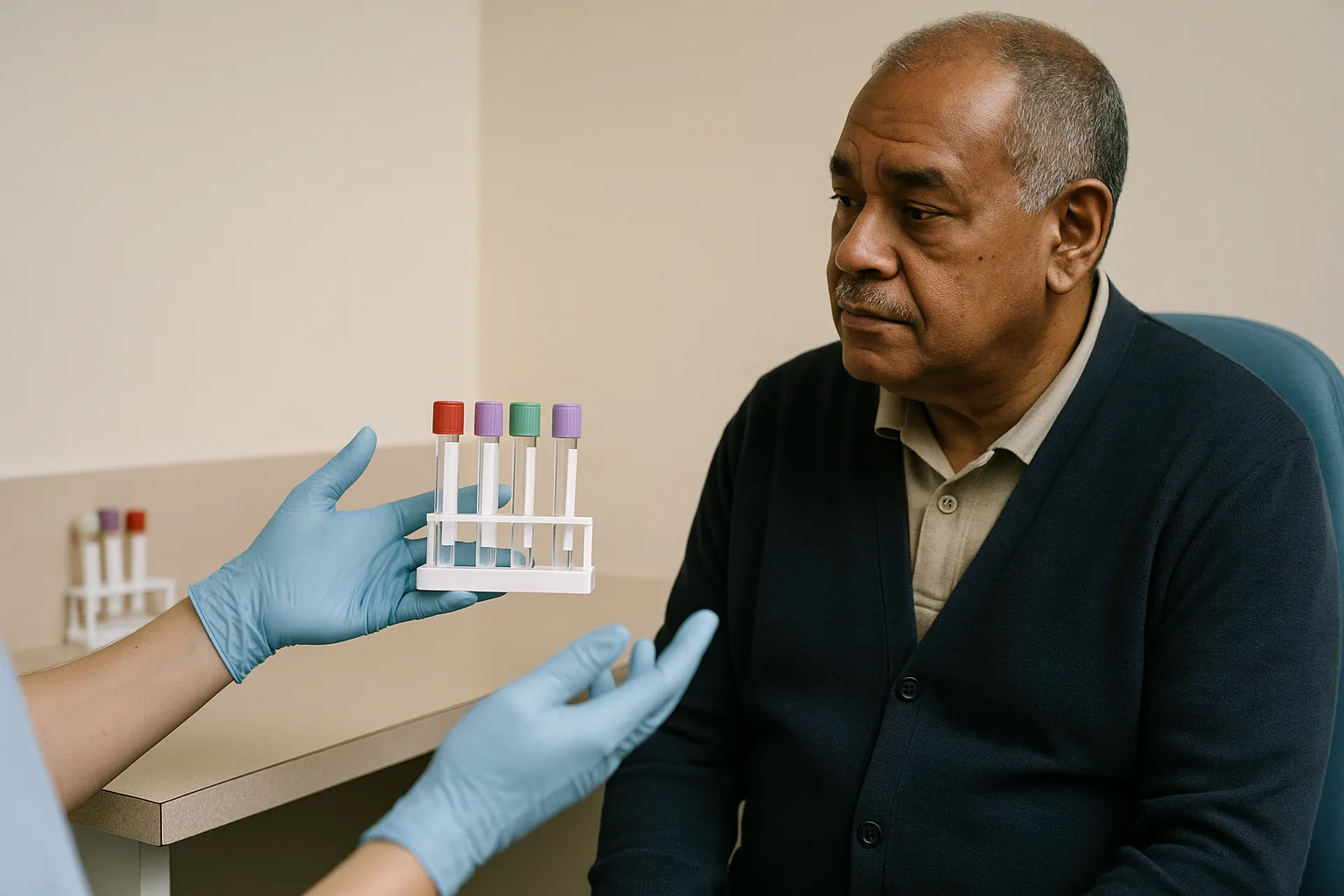
Dermatologists generally recommend investigating new or heavy shedding before taking supplements, often with blood tests for iron status and vitamin D, and a review of thyroid function, medicines and recent stressors. That approach helps target any correction and avoids unnecessary pills.
Cleveland Clinic emphasises a food‑first approach for most nutrients: vitamin C and B vitamins are easily obtained from fruit, vegetables, whole grains and seafood for many people. Adequate protein also matters for hair fibre production; our guide on protein deficiency and hair loss explains why sustained low intake can worsen shedding.
Herbal products and oils are often promoted alongside vitamins, but evidence is mixed and quality varies. Some may support scalp comfort or act as adjuncts, yet few have robust trials for regrowth. We reviewed the data in herbs for hair growth: what the evidence actually shows.
What people are saying
Cleveland Clinic advises that supplements are most useful when correcting a proven deficiency and notes that over‑supplementation can cause harm, particularly with vitamin A. It also suggests looking for third‑party tested products because supplements are not regulated like medicines.
Ncoa.org encourages people to consult a clinician before starting a vitamin, especially if they take prescription drugs or manage chronic conditions. It also notes appetite changes in later life can make nutrition gaps more likely, which may make a targeted supplement reasonable after assessment.
Dermatologists generally caution against self‑prescribing high‑dose vitamins and favour tailored plans based on symptoms, examination and tests. They also highlight that omega‑3 sources can come from diet, and some fish oil products may not be suitable for everyone, aligning with Cleveland Clinic’s safety note.
Trichologists often combine nutrition checks with gentle scalp care and advice on avoiding traction from tight styles or frequent heavy extensions. If you notice thinning around the hairline from styling habits, our guide to traction alopecia outlines early warning signs and steps to reduce strain.
What happens next
If you’re considering vitamins for thinning, the next practical step is to speak to a GP or dermatologist for an assessment and, if needed, blood tests. That conversation can clarify whether a deficiency is present and whether other causes, such as stress or illness, are contributing.
When pattern hair loss is diagnosed, nutrition can sit alongside evidence‑based treatments. Options may include minoxidil or, for some men, finasteride, alongside lifestyle measures; our overviews of new hair loss treatments in 2026 and finasteride in the UK set out benefits and limits.
For autoimmune causes like alopecia areata, emerging medicines such as JAK inhibitors target the inflammation that attacks follicles. Nutrition does not treat the immune pathway directly, but overall health matters during treatment; see our report on upadacitinib and alopecia areata regrowth.
Cleveland Clinic recommends choosing third‑party tested supplements and avoiding megadoses, while ncoa.org reiterates that vitamins are adjuncts rather than cures. A steady, personalised plan—covering diet, medical care and scalp habits—gives the best chance of healthier hair over time.
Related: White hair causes: genetics, stress, thyroid and smoking
Related: What makes hair grow faster — and what causes breakage
Related: He Shou Wu for hair loss: new review suggests multi‑pathway effects
Related: Does creatine cause hair loss? What new studies show
Related: Diffuse hair loss (diffuse alopecia): causes and tests
Related: Rosemary oil and scalp massagers: hair loss risks and facts
Why this matters
For many people in the UK, shedding is unsettling and the supplement aisle can be confusing. Cleveland Clinic and ncoa.org suggest vitamins may help when a deficiency is present, but they are not stand‑alone fixes. If your shedding is new, severe or patchy, speak to a GP, dermatologist or trichologist to check iron and vitamin D levels, review medicines and rule out conditions like alopecia areata. A plan that combines nutrition, scalp care and any needed treatment, guided by a clinician, tends to work best. Our guide to how much hair loss is normal explains when to seek help.
Common questions
- which vitamins help with hair loss
- Cleveland Clinic highlights vitamin D, iron, biotin, zinc, vitamins A and C, and omega‑3s. These may help when a deficiency exists, but they are not cures.
- does vitamin d help alopecia areata
- Cleveland Clinic says vitamin D is involved in the hair cycle and may help when levels are low, including in some people with alopecia areata.
- can too much vitamin a cause hair loss
- Yes. Cleveland Clinic warns that excessive vitamin A can trigger hair loss and lead to toxicity, so avoid megadoses and seek medical advice.
- do omega-3 or fish oil supplements help hair growth
- Omega‑3s support cell health and scalp condition, Cleveland Clinic notes. It cautions fish oil supplements are not always advised and may raise stroke risk.
- will biotin stop my hair from thinning
- Biotin supports healthy hair structures, Cleveland Clinic says. It is most useful if you are deficient; it won’t cure unrelated causes of thinning.
- should i take iron for hair loss
- Low iron is linked to shedding, according to Cleveland Clinic. Testing is important before supplementing, as taking iron unnecessarily can cause harm.
- are hair supplements regulated like medicines
- No. Cleveland Clinic advises supplements aren’t regulated like medicines and suggests choosing third‑party tested products to help ensure quality.
- do vitamins replace a healthy diet for hair growth
- No. Both Cleveland Clinic and ncoa.org emphasise a food‑first approach. Supplements may fill gaps but cannot replace a balanced diet or medical care.
Sources
- Cleveland Clinic: 7 Vitamins and Supplements for Hair Growth
- ncoa.org: Best Vitamins for Hair Loss in 2026 I NCOA
This article was written by Thicker Thinking using the sources listed above. It is for general information and is not medical advice. Speak to your GP, a dermatologist or a qualified trichologist about your own situation.