Hair Loss Causes
What makes hair grow faster — and what causes breakage
Evidence-based ways to support growth and reduce breakage, plus why hair can seem stuck at one length even when follicles are doing their job.
By the Thicker Thinking Editorial Team
Published · Updated · 6 min read
Quick answerYou can’t radically speed up hair growth from the follicles, but you can keep more length by reducing breakage. According to Healthline and youtube.com, heat, harsh detangling, colouring and dryness are common culprits.
Hair rarely sprints; it plods along. According to Healthline, human scalp hair grows steadily from follicles, typically adding only modest length each month, while you naturally shed some strands daily.
A youtube.com creator argues the real limiter for many is not slow follicles but fragile lengths, saying the fix is to stop breakage rather than “speed growth.” That distinction helps explain why hair can seem stuck at one length despite ongoing growth at the root.
What happened
Healthline outlines how hair forms in follicles under the scalp, with blood delivering oxygen and nutrients to the root before fibres emerge and pass oil glands that help keep strands supple. This biological process is continuous, though the visible rate is slow.
The explainer notes average daily shedding is normal and can rise with genetics or health factors, while growth rate stays relatively constant. That means protecting existing lengths is often as important as chasing faster growth.
Crash dieting and rapid weight loss are highlighted by Healthline as triggers for telogen effluvium, a temporary shedding surge caused by a larger share of hairs entering the resting phase. This stress‑related shift can follow illness, calorie restriction or nutrient shortfalls, echoing what we’ve reported about stress‑linked shedding and timing.
Protein and overall nutrition are described as foundational for hair fibre production, with Healthline cautioning that severely restrictive eating can impair growth and increase shedding until balance returns.
Topical caffeine drew attention in a 2020 review cited by Healthline, which suggested shampoos and conditioners containing caffeine might perform similarly to some drug options in certain studies, though larger, longer trials are needed.
Essential oils feature in early data too. Healthline points to a 2021 study where topical pumpkin seed oil increased regrowth in women with female pattern hair loss, but researchers called for bigger studies to confirm benefit and safety.
Micronutrient gaps can affect hair structure and growth, Healthline reports, with iron, zinc, certain fatty acids, selenium and vitamins A, D and E among nutrients linked to hair health. Omega‑3 and omega‑6 supplementation helped protect against loss in one 2015 study in women.
A small 2016 study highlighted by Healthline found daily scalp massage over several months increased hair thickness in nine participants, without clearly changing growth rate, suggesting a possible structural effect on the fibre or follicle environment.
Antioxidant scalp care also has preliminary support. In a 24‑week study cited by Healthline, a shampoo or leave‑in with piroctone olamine increased hair counts and improved scalp condition versus placebo, indicating potential benefits for the scalp barrier.
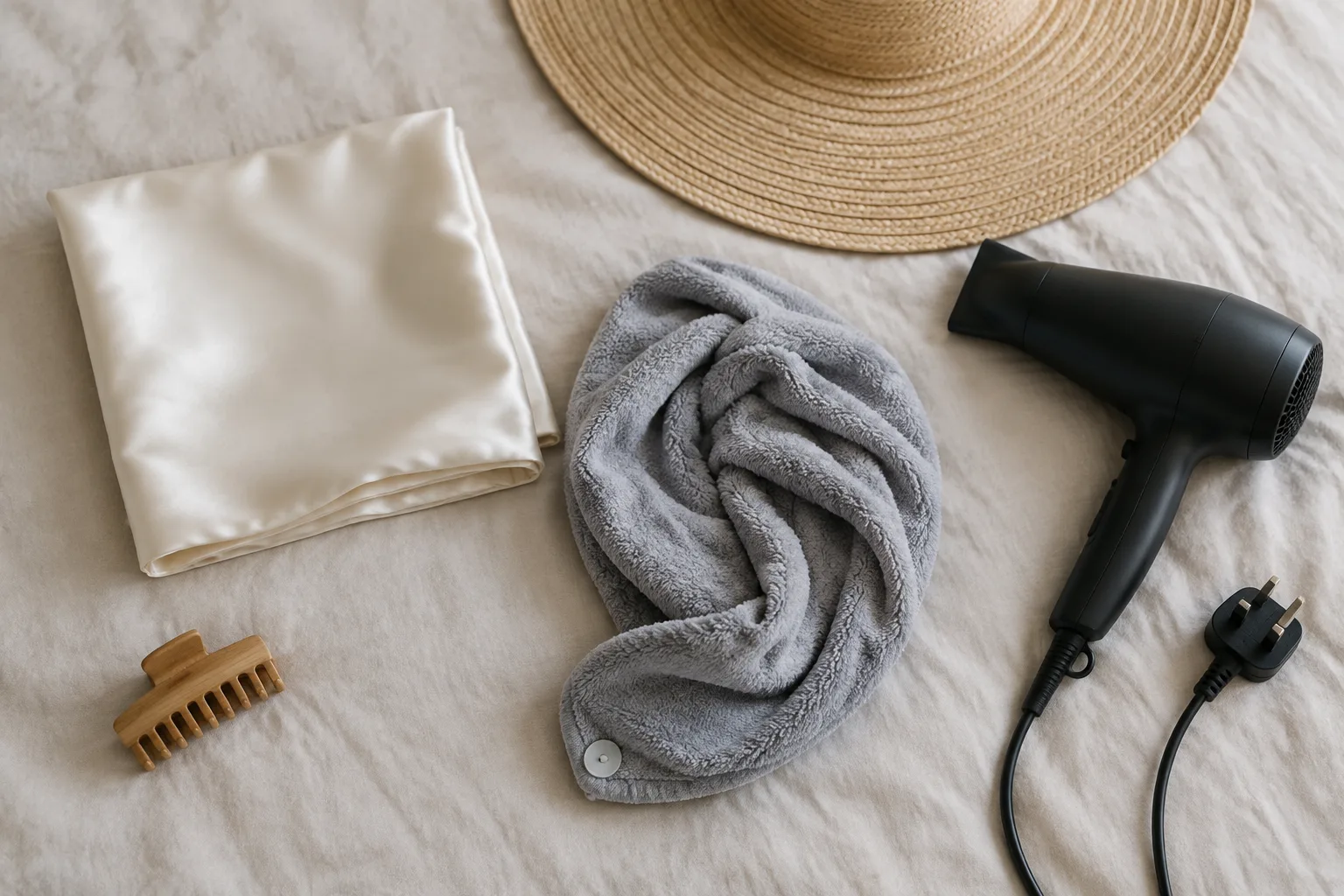
Heat tools are a frequent source of mechanical and moisture damage. Healthline references a 2019 review suggesting heat‑protectant products can significantly reduce breakage when heated styling is necessary.
Hair dyeing can weaken fibres, Healthline notes, with a 2021 review indicating permanent dyes strip natural fatty acids more than semi‑permanent options, which may leave hair more prone to snapping.
Minoxidil remains an over‑the‑counter option that can reduce loss and encourage regrowth for some, according to Healthline, but it is not universal and may require many months before results are clear. We’ve explored where it fits among expert‑endorsed treatments and how plans can be personalised in practice in our minoxidil review.
Sleep habits also appear relevant. Healthline reports poor sleep may reduce melatonin, a hormone involved in regulating the hair cycle, though applying this insight in day‑to‑day care remains an area of ongoing study.
Trimming removes split ends so damage doesn’t travel up the shaft, Healthline adds, but it does not alter the follicle’s growth speed, so expectations should be realistic.
The youtube.com video focuses on retention versus growth, warning that frequent blow‑drying before braiding, rough daily combing and constant manipulation raise breakage. The creator recommends heat protection, gentler detangling and moisture‑sealing habits to help hair keep the length it already produces.
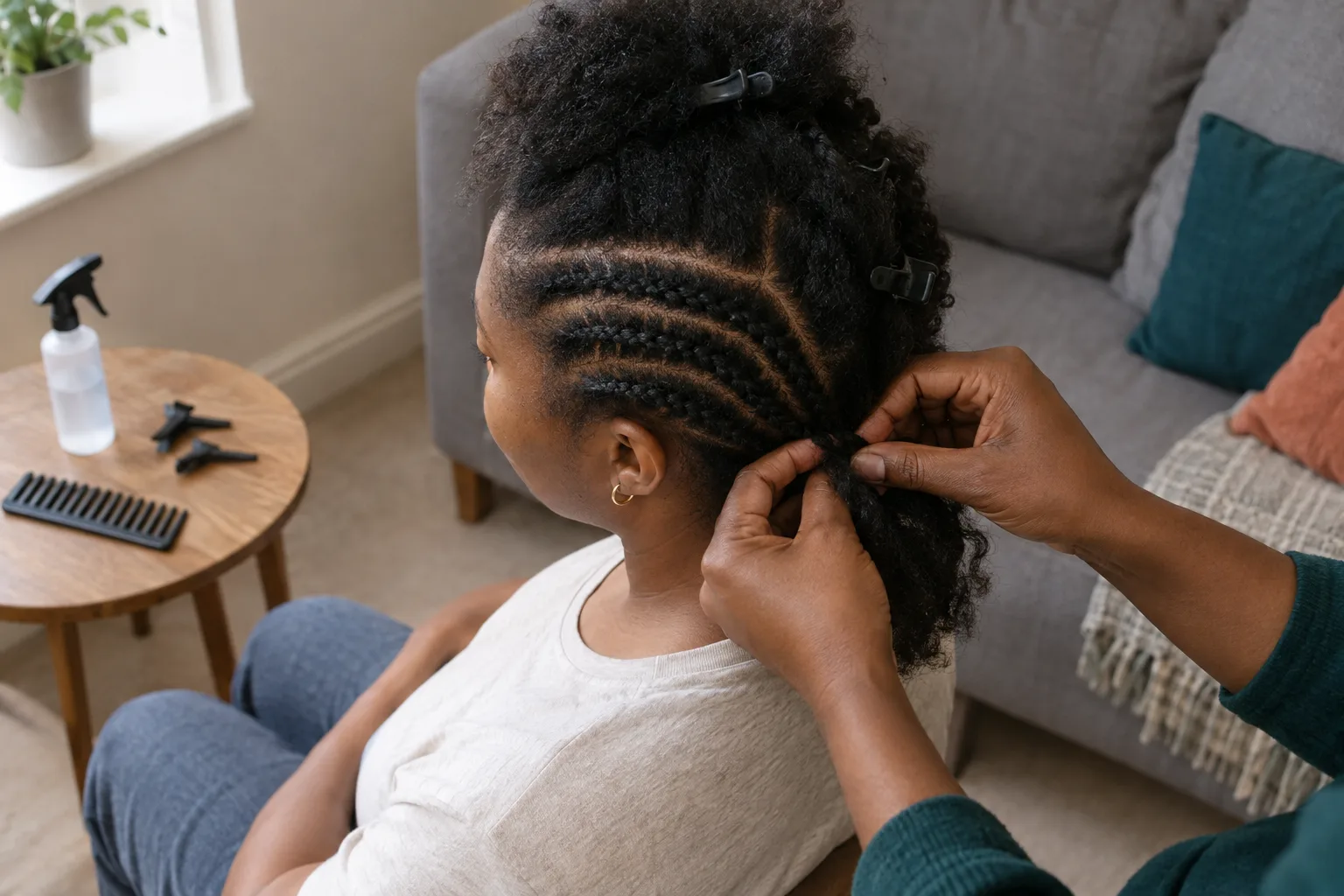
Protective styles are praised in the video for helping retain moisture and reduce handling, with cornrows cited as a practical example when installed and maintained carefully to avoid excess tension on the follicles.
The background
Dermatologists describe the hair cycle in three main phases: anagen (growth), catagen (transition) and telogen (rest). Telogen effluvium is when more hairs than usual shift into resting and shed together after a stressor, typically showing two to three months later.
Breakage is different from shedding. Shedding releases whole hairs with bulbs attached; breakage leaves short, tapered fragments without bulbs. People with tightly coiled hair can be more prone to breakage because natural oils distribute less evenly along kinks and bends.
Protective styling can help reduce friction and manipulation, but tight styles can cause traction alopecia, a separate condition where tension damages follicles over time. Our guide to spotting traction‑related loss covers warning signs and safer practices.
Colouring and bleaching change hair chemistry by lifting cuticles and altering pigment, which can reduce tensile strength. Dermatologists generally advise spacing out chemical services and prioritising conditioning to mitigate cumulative fibre damage, as discussed in our piece on safer colouring when hair is thinning.
Caffeine formulations have laboratory data suggesting effects on hair follicle cell activity, but over‑the‑counter products vary widely, and robust head‑to‑head clinical trials versus licensed medicines are limited, so expectations should be measured.
Plant oils and essential oils can act as emollients or occlusives, helping seal moisture, but they can also trigger contact dermatitis. Patch testing a small area first is standard advice from dermatologists to avoid flare‑ups on already fragile scalps.
Nutrient status is a frequent check in hair clinics. Iron deficiency, low vitamin D and inadequate protein are common, fixable contributors to diffuse shedding. Our explainer on vitamins and hair loss outlines which tests and supplements are typically considered.
Minoxidil has the strongest evidence among non‑prescription options for hereditary thinning, but it does not address breakage directly. For diagnosis and a tailored plan that may include medicines, low‑level laser, or procedural options, see our overview of diagnosis and treatment pathways.
What people are saying
Dermatologists generally advise starting with the basics: identify medical triggers for shedding, handle hair gently, and reduce sources of fibre damage before layering on products.
For handling, specialists recommend detangling less frequently and more carefully, ideally when hair is conditioned and slippery, using tools that minimise snagging to limit mechanical stress on the shaft.
For heat, clinicians suggest using the lowest effective temperatures and applying a heat‑protectant when styling is necessary, as supported by the review Healthline cites on reduced breakage with protective products.
For moisture, trichologists often suggest a simple routine focused on hydration and sealing to reduce dryness‑related snapping, adapting texture‑specific methods for coils, curls or straight hair without over‑manipulation.
For scalp care, gentle cleansing, addressing dandruff or inflammation, and considering antioxidant‑containing shampoos may support a healthier environment, though the piroctone olamine data remain early and product formulations differ.
For actives, clinicians note minoxidil can help in androgenetic alopecia, while PRP is still being studied and should be discussed with a qualified provider. We summarise the evidence and limits in our review of PRP for hair loss.
Sleep, stress management, and balanced nutrition are recurring themes in clinic advice, aligning with Healthline’s note that sleep‑related hormone changes and dietary restriction can influence the hair cycle.
As the youtube.com creator puts it, “you’re breaking your hair off faster than it grows,” capturing the gap between follicle output and real‑world length retention for many people.
What happens next
If your hair seems stuck at one length, first decide if you’re seeing short broken bits or full‑length shed hairs with bulbs, then consider triggers like tight styles, frequent heat or recent dieting.
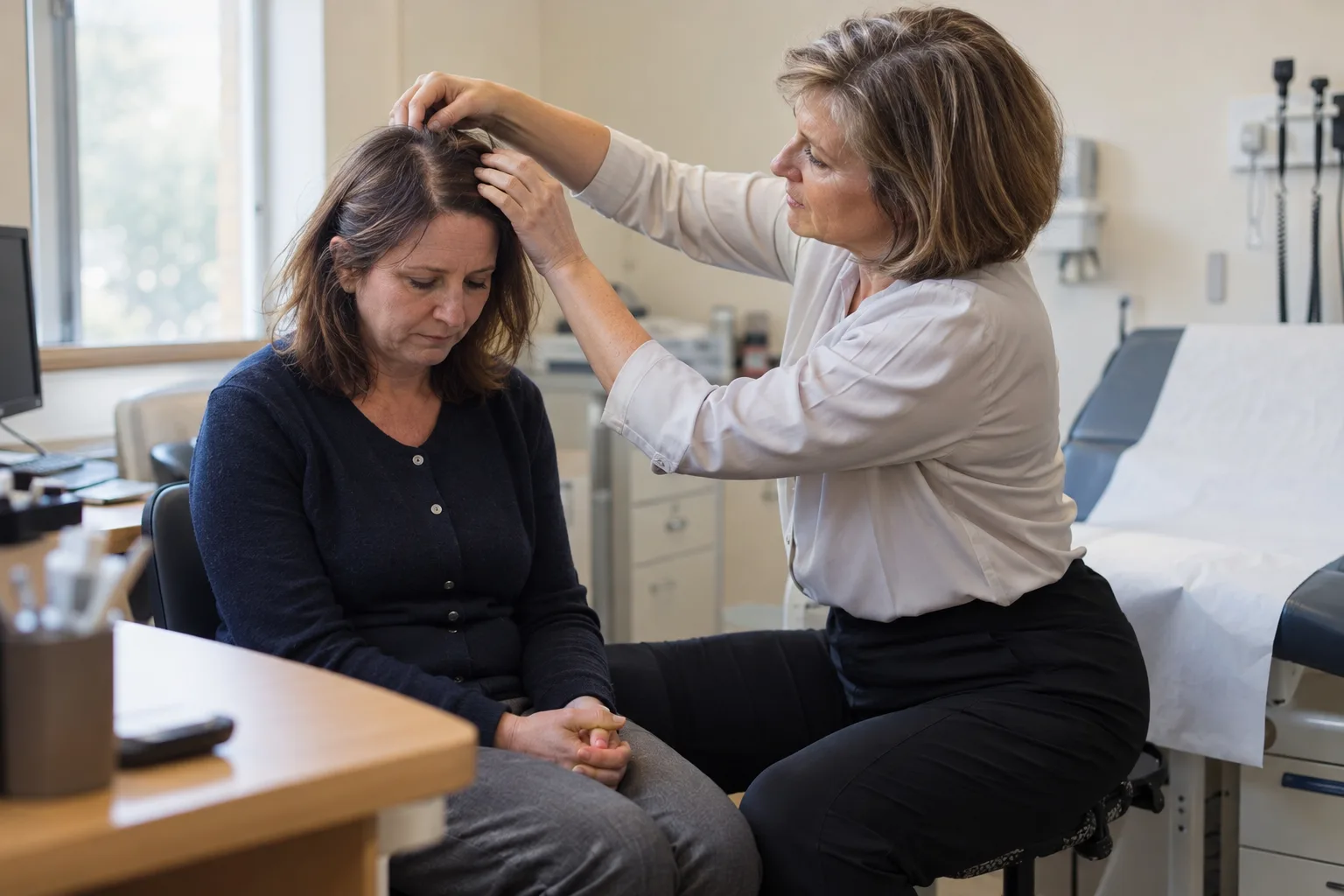
If shedding is heavy, sudden, or you develop bald patches or scalp symptoms, speak to a GP or dermatologist for assessment and blood tests for causes such as iron deficiency or thyroid imbalance.
If your main issue is breakage, focus on gentler handling, less heat, careful colouring choices and simple moisture‑sealing habits that suit your hair texture, adjusting one change at a time to see what helps.
For ongoing thinning on the scalp, a clinician can discuss proven options such as minoxidil and, where appropriate, prescription treatments, while setting expectations on timelines, as improvements can take many months.
Research continues into topical caffeine, antioxidants and massage techniques, but larger trials are needed before strong claims can be made. Until then, prioritise scalp health, steady nutrition and protective care to preserve what your follicles already grow.
Related: Home remedies for dry hair and dry scalp: what helps
Related: Winter hair loss: why shedding rises and what really helps
Why this matters
People often blame “slow growth” when the real issue is fragile hair snapping faster than it lengthens. Understanding the difference helps you target the true cause, whether that’s stress‑related shedding, chemical or heat damage, or tight styling. UK readers who notice sudden heavy shedding, bald patches, scalp pain or itching should speak to a GP, dermatologist or trichologist. For gradual thinning, a professional can explain realistic options, from minoxidil to supportive scalp care, and when to consider treatments such as PRP, as outlined in our expert treatment overview.
Common questions
- how fast does hair grow each month
- On average, scalp hair adds around half an inch per month, according to Healthline. Genetics, health and age influence the cycle, but the basic rate changes little.
- can breakage make hair look like it’s not growing
- Yes. Breakage shortens lengths faster than follicles add new growth, so hair appears stalled. The youtube.com video stresses heat, harsh detangling and dryness as key drivers.
- does restrictive dieting cause hair loss
- It can. Healthline reports crash dieting and sudden weight loss may trigger telogen effluvium, a temporary shedding surge that follows body stress and nutrient shortfalls.
- do caffeine shampoos really help hair growth
- They might help some users, but evidence is early. Healthline cites a 2020 review suggesting topical caffeine performed similarly to some drug options in limited studies.
- are essential oils proven to regrow hair
- Evidence is limited. Healthline notes a 2021 study where pumpkin seed oil increased regrowth in women with pattern loss, but larger trials are needed to confirm benefits.
- does heat styling cause hair breakage
- Yes. Heat can weaken the hair shaft. Healthline references a review showing heat‑protectant products can significantly reduce breakage when heat styling is used.
- do scalp massages make hair grow faster
- Small studies suggest massages may thicken hair over months, Healthline reports. They did not clearly increase growth rate, so they’re supportive, not a shortcut.
- how long does minoxidil take to work for hair loss
- Healthline notes results may take many months and not everyone responds. It’s often used as part of a broader plan discussed with a clinician.
Sources
- Healthline: How To Make Your Hair Grow Faster: Tips for Healthy Growth
- youtube.com: Your Hair Will Grow Faster If You Just Do This - YouTube
- The Guardian: Want long, luscious hair? Experts offer their hair growth tips | Well actually | The Guardian
- Healthline: How to Prevent Hair Loss in Men and Women
This article was written by Thicker Thinking using the sources listed above. It is for general information and is not medical advice. Speak to your GP, a dermatologist or a qualified trichologist about your own situation.