Treatments in the News
Best hair loss treatments in 2026: what experts say
Finasteride and minoxidil remain first‑line, while JAK inhibitors and new topicals edge forward in 2026, according to Healthline and ncoa.org.
By the Thicker Thinking Editorial Team
Published · Updated · 5 min read

Quick answerExperts point to finasteride and minoxidil as the mainstays for pattern hair loss in 2026, with JAK inhibitors for alopecia areata and new options like clascoterone and PP405 in late‑stage trials.
Timeline
1987
Minoxidil (Rogaine) reached the market for pattern baldness.
2020
Clascoterone was FDA‑approved for acne in people aged 12 and over.
July 2024
Leqselvi (deuruxolitinib) gained FDA approval for adult alopecia areata.
October 2025
A commentary urged further FDA scrutiny of finasteride’s mental health risks.
Spring 2026
Clascoterone filings for US and EU approval are expected.
Experts say the best‑supported hair loss treatments in 2026 remain familiar: finasteride and minoxidil for androgenetic alopecia, with JAK inhibitors used for alopecia areata. New candidates, including clascoterone and PP405, are advancing through clinical trials, according to Healthline and ncoa.org.
Hair loss is widespread. Healthline cites estimates that 85% of men and 33% of women experience it during their lifetime, with 25% of men and 12% of women seeing changes by age 30. About 95% of male hair loss is due to androgenetic alopecia, while women more often notice diffuse thinning with the frontal hairline typically preserved.
What happened
Specialists interviewed by Healthline emphasised that finasteride and minoxidil remain effective, accessible options. Minoxidil, on the market since 1987, is used topically for male and female pattern hair loss and can take up to four months to show benefit. Local scalp irritation such as itching or redness can occur.
Finasteride is licensed for male pattern hair loss and is also prescribed for enlarged prostate. Healthline notes reports of reduced libido and mood changes, and officials advise that pregnant people should avoid contact with the active ingredient. Healthline also reports an association with higher prostate cancer risk and highlights a 2025 commentary calling for closer FDA review of potential mental health harms; many experts still judge benefits to outweigh risks. For a UK overview of pros and cons, see our guide to finasteride for hair loss: benefits, risks and UK advice.
For alopecia areata, Healthline lists three FDA‑approved Janus kinase (JAK) inhibitors: baricitinib (Olumiant) for adults; ritlecitinib (Litfulo) for adults and adolescents aged 12+; and deuruxolitinib (Leqselvi) for adults. Mild side effects such as nausea, acne, headache or dizziness can occur, and all carry boxed warnings covering risks such as serious infections, blood clots, cancer and cardiovascular events. Tofacitinib (Xeljanz) is sometimes prescribed off‑label, and upadacitinib (Rinvoq) is in clinical trials for alopecia areata; our explainer covers the emerging evidence on upadacitinib and regrowth in alopecia areata.
A topical anti‑androgen, clascoterone, already approved for acne, is being studied for androgenetic alopecia. Healthline reports phase III trials with encouraging hair growth signals and generally mild side effects, and says its manufacturer plans regulatory submissions in the US and EU in spring 2026.
PP405, a topical under development by Pelage Pharmaceuticals, targets hair follicle stem cells to tackle follicle dormancy in androgenetic alopecia, according to Healthline. It is in phase II testing, adding to the pipeline we’ve tracked in new hair loss treatments for 2026, including PP405 and extended‑release minoxidil.
The background
Androgenetic alopecia follows different patterns in men and women. Men tend to recede at the temples and thin at the crown, while women typically notice widening part lines and overall thinning with the hairline usually spared, Healthline explains.
Alopecia areata is an autoimmune form where the immune system attacks hair follicles, leading to small, smooth bald patches on the scalp or elsewhere. Healthline cites an estimate that around 7 million people in the United States experience alopecia areata during their lifetime. Our primer on alopecia areata signs, regrowth and treatment covers what to look for and current options.
Ncoa.org notes that hair loss in women can involve multiple contributors, including hormonal changes, menopause, genetics and traction from tight hairstyles. It also highlights that after age 65, 37% of women have noticeable balding, underlining how common this is in later life.
Ncoa.org advises that there is no single solution for every cause, and that many people try more than one approach. It adds that most treatments take months to show results and usually need to be continued to maintain gains.
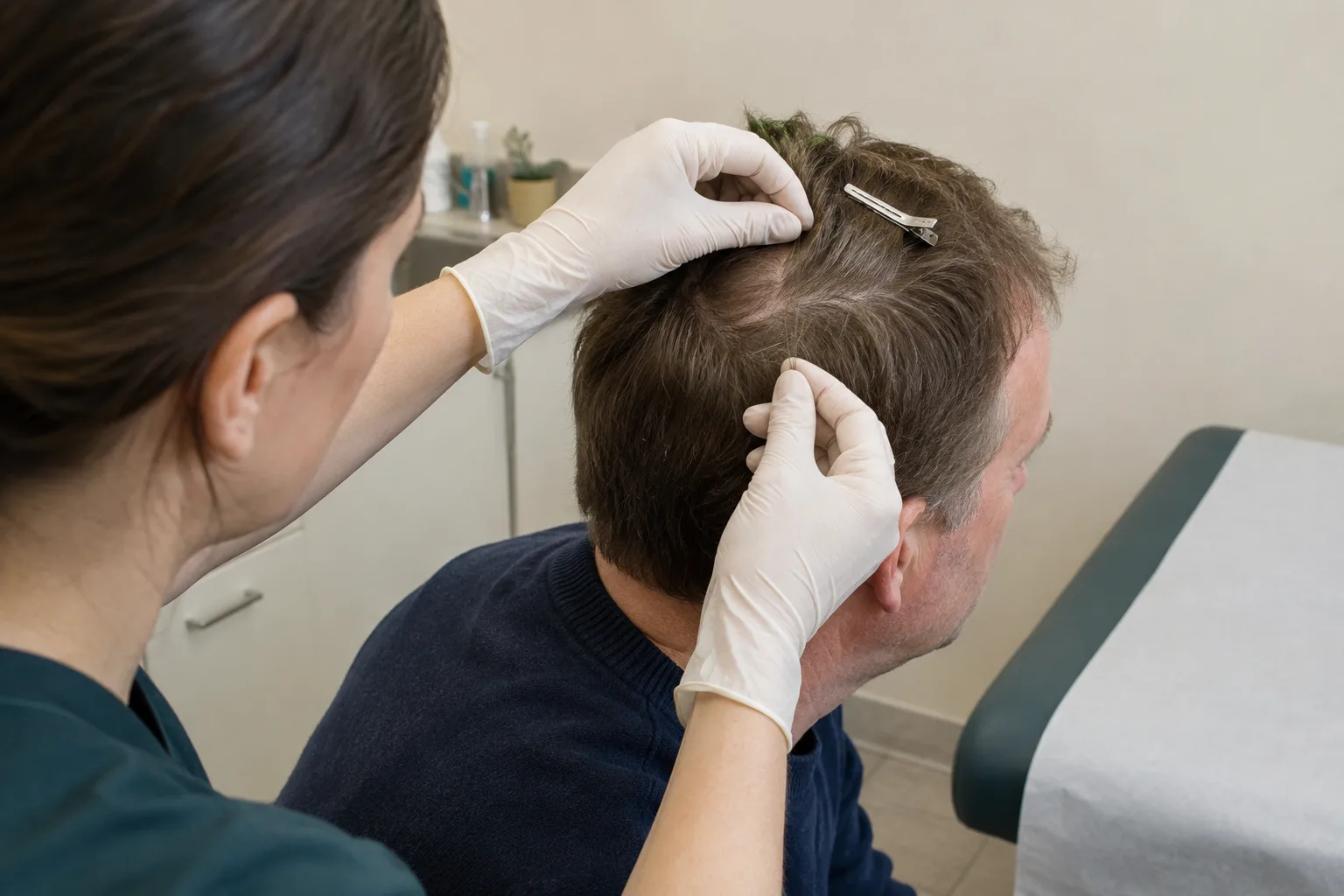
Ncoa.org further recommends seeking medical advice promptly if hair loss is sudden, patchy, painful, associated with scalp changes, or accompanied by other new symptoms. In the UK, that typically means speaking to a GP first, with referral to a dermatologist or trichologist where needed. Our overview of diagnosis and treatment options sets out the usual steps.
Ncoa.org also points to the emotional toll, with hair loss affecting confidence and mental health in many women. Dermatology teams routinely consider psychological wellbeing alongside medical treatment, and support groups or counselling can be helpful where distress is significant.
What people are saying
Industry voices told Healthline that newer products are drawing attention but have not yet displaced established therapies. As one expert put it, “finasteride remains the gold standard,” particularly for male pattern hair loss.
Healthline reports that clinicians caution against online hype around pipeline drugs and advise focusing on treatments backed by long‑term data. They note that future options like clascoterone may provide useful additions rather than replacements for minoxidil or finasteride.
Healthline also highlights the importance of qualified care. Surgeons and physicians emphasised that medical and surgical management should be overseen by appropriately trained specialists, given the need to assess causes, set realistic expectations and monitor for side effects over time.
On alopecia areata, Healthline says experts remain optimistic about JAK inhibitors as evidence accumulates. They also stress that these medicines carry boxed warnings, so decisions should balance potential regrowth with individual risk factors under medical supervision.
What happens next
If clascoterone is submitted to US and European regulators in spring 2026 as planned, assessments will determine whether a topical anti‑androgen joins the toolkit for androgenetic alopecia. Healthline notes this could be particularly relevant for women who prefer topical approaches.
PP405’s phase II results will be watched to see if targeting follicle stem cells translates into clinically meaningful regrowth. Any approval pathway would still require successful phase III trials to confirm benefit and safety at scale.
For alopecia areata, Healthline reports that more data are expected on the durability and safety of approved JAK inhibitors, while studies of upadacitinib continue. Longer‑term follow‑up should clarify maintenance strategies and relapse rates after stopping treatment.
In the meantime, experts told Healthline that finasteride and minoxidil remain the most practical starting points for pattern hair loss because they are widely available and comparatively affordable. Combination regimens and supportive measures, such as camouflage products or hairpieces, can improve day‑to‑day appearance while medical treatments take effect.
Ncoa.org’s guidance that results often require months and ongoing use is a useful benchmark for planning. It also underscores everyday steps that reduce stress on follicles, such as avoiding very tight hairstyles that can cause traction and addressing scalp problems promptly. Our guide to traction alopecia and tight styles explains warning signs and safer styling.
Related: Sugar study suggests hair regrowth in mice, matching minoxidil
Related: Electric comb for hair growth shows near-100% regrowth in mice
Why this matters
This update helps UK readers see what works now and what is coming. If you notice sudden patches, scalp pain, redness or shedding with other symptoms, speak to your GP promptly. For gradual thinning, a dermatologist or trichologist can confirm the cause and discuss proven options, from minoxidil and finasteride to JAK inhibitors for alopecia areata. Many treatments take months and need ongoing use, so clear expectations and monitoring matter. Our overview of diagnosis and treatment steps can help you prepare for an appointment.
Common questions
- what are the best hair loss treatments in 2026
- Finasteride and minoxidil remain the mainstays for pattern hair loss, according to Healthline. JAK inhibitors treat alopecia areata, while clascoterone and PP405 are advancing in trials.
- do finasteride and minoxidil still work for hair loss
- Yes. Experts told Healthline they remain effective and affordable for pattern hair loss, with minoxidil often needing up to four months for visible benefit.
- what side effects are linked to finasteride
- Healthline notes reports of reduced libido and mood changes. Officials advise avoiding exposure in pregnancy. A 2025 commentary urged more FDA review of mental health risks.
- how long does minoxidil take to show results
- Healthline reports minoxidil can take up to four months to produce visible improvement, and ongoing use is usually needed to maintain results.
- which jak inhibitors are approved for alopecia areata
- Healthline lists baricitinib (Olumiant) for adults, ritlecitinib (Litfulo) for ages 12+ and adults, and deuruxolitinib (Leqselvi) for adults, all with boxed warnings.
- what is clascoterone for hair loss
- Clascoterone is a topical anti‑androgen approved for acne and now in phase III trials for androgenetic alopecia, with US and EU submissions expected in spring 2026, Healthline reports.
- what is pp405 in hair loss treatment
- PP405 is a topical in phase II studies that targets hair follicle stem cells to address dormancy in androgenetic alopecia, according to Healthline.
- when should i see a doctor about shedding
- Ncoa.org advises seeing a clinician if hair loss is sudden, patchy, painful, linked to scalp changes, or occurs with other new symptoms.
Sources
- Healthline: Hair Loss: These Are the Best Treatments, Medications In 2026
- ncoa.org: Best Hair Loss Treatments for Women in 2026
This article was written by Thicker Thinking using the sources listed above. It is for general information and is not medical advice. Speak to your GP, a dermatologist or a qualified trichologist about your own situation.