Hair Loss Causes
Winter hair loss: why shedding rises and what really helps
Experts say winter can raise shedding and breakage, but true hair loss is not always the cause.
By the Thicker Thinking Editorial Team
Published · Updated · 5 min read
Quick answerSome people notice more shedding in winter, likely from dry air, indoor heating and more styling, according to The Independent and colorwowhair.com. Many winter complaints are actually breakage and flatter hair, so see a clinician if shedding is heavy or persistent.
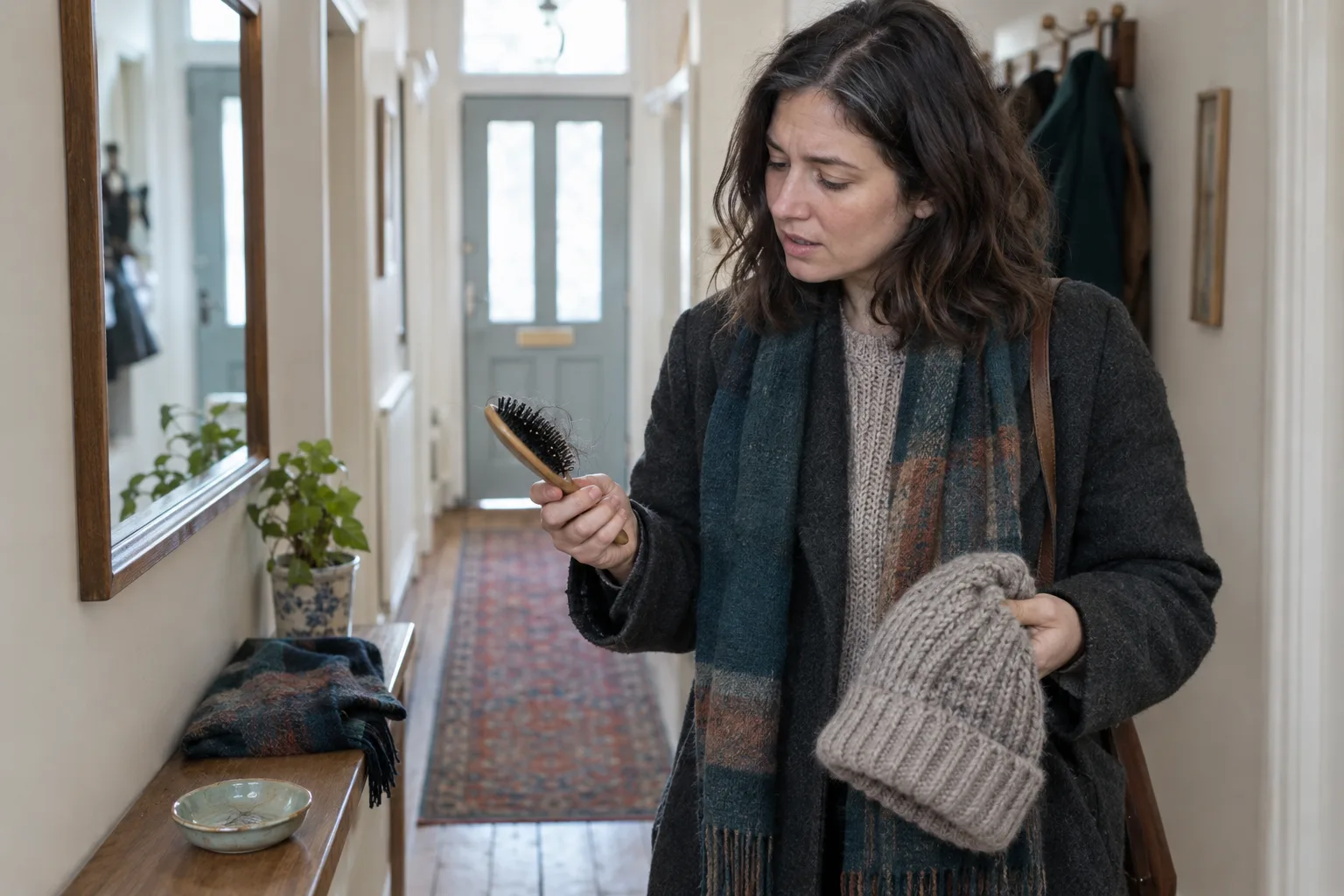
If you are finding extra strands in your brush or shower this winter, you are not alone. According to The Independent and colorwowhair.com, colder weather and heated indoor air can shift how hair behaves, and some people do shed more at this time of year.
Both sources also stress that what looks like “winter hair loss” often turns out to be dry, brittle hair snapping or hair looking flatter under hats, rather than a true reduction in the number of follicles.
What happened
The Independent reports that stylists commonly see a seasonal uptick in hair shedding when temperatures drop, with one expert estimating that people normally shed around 100–150 hairs a day. They suggest that cold, dry outdoor air and centrally heated indoor spaces can nudge that number higher.
The Independent also cites trichology advice that heavy, diffuse shedding can reflect telogen effluvium, a temporary shift in the hair cycle often driven by internal changes. Examples given include thyroid imbalance, illness, postpartum changes, stress and dietary deficiencies, with regrowth expected once the trigger settles.
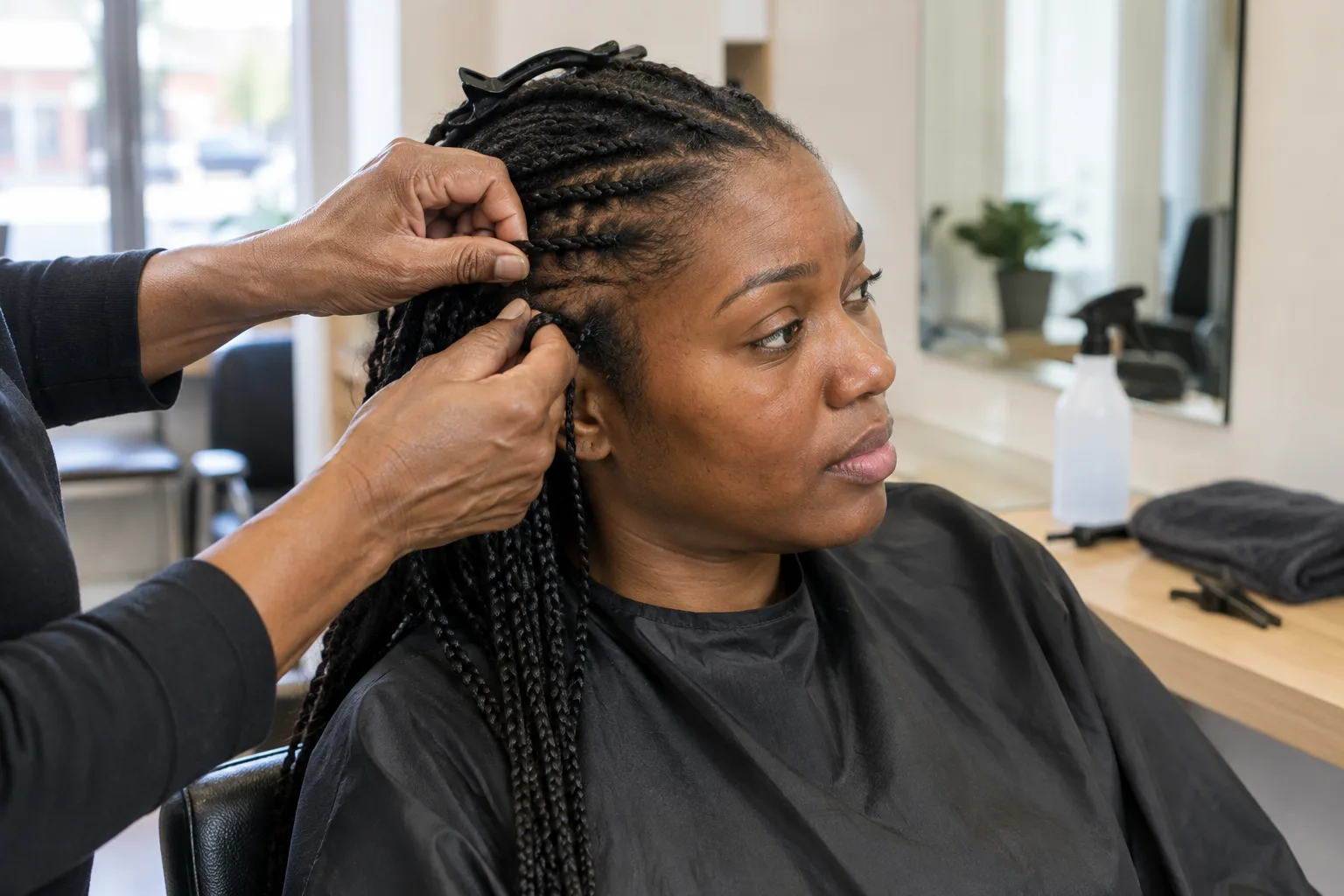
Practical factors feature too. The Independent notes that tight ponytails, buns and braids can add tension to roots on already dry scalps, while frequent use of hot tools weakens the hair shaft, increasing breakage and the appearance of thinning lengths.
Colorwowhair.com adds that much of what people call “thinning” in winter is actually dryness, friction from hats and scarves, and breakage making the mid‑lengths and ends look less full. Their cosmetic science perspective emphasises separating true shedding from snapped fibres. As their chief chemist puts it: “Shedding involves a hair being released from the follicle.”
They also point out that hats can compress root lift and product build‑up can weigh down fine hair, so hair may look flatter without any change in follicle count. Colorwowhair.com advises medical assessment if a change in shedding or density is significant, persistent or unexplained.
The background
Hair growth follows a cycle of growth (anagen), transition (catagen) and rest/shedding (telogen). Colorwowhair.com notes that research has suggested seasonal variation in this cycle, but patterns vary between individuals and years, and not everyone sees a winter effect.
Indoor heating reduces humidity, which can roughen the cuticle (the hair’s outer layer), increase static and make fibres more brittle. Wool hats and scarves add friction, which can worsen surface damage and lead to more snapped strands even when root shedding is normal.
Shedding and breakage look different. Shed hairs detach from the follicle in full-length strands, while broken hairs are shorter and snapped along the shaft. Breakage thins the mid‑lengths and ends, so hair looks less full even if shedding from the root has not changed.
Tension from tight updos, high ponytails and snug accessories can strain follicles and aggravate weak, dry roots. Prolonged traction increases the risk of traction alopecia, so easing tension and alternating styles helps, especially for protective or high‑hold looks discussed in our piece on Black hair care practices and hair loss.
Stress is a recognised trigger for telogen effluvium, and the end‑of‑year period can raise stress for many people. Our explainer on telogen effluvium and the 6‑month decision point outlines why shedding often appears a few months after a stressful event.
The Independent highlights nutrition and health as important context. Sudden diet changes or deficiencies can push more hairs into the resting phase, and clinicians routinely check for issues like thyroid imbalance when shedding is diffuse. A balanced, protein‑adequate diet supports hair fibre production, and The Independent notes eggs were singled out by one stylist as a convenient protein source.
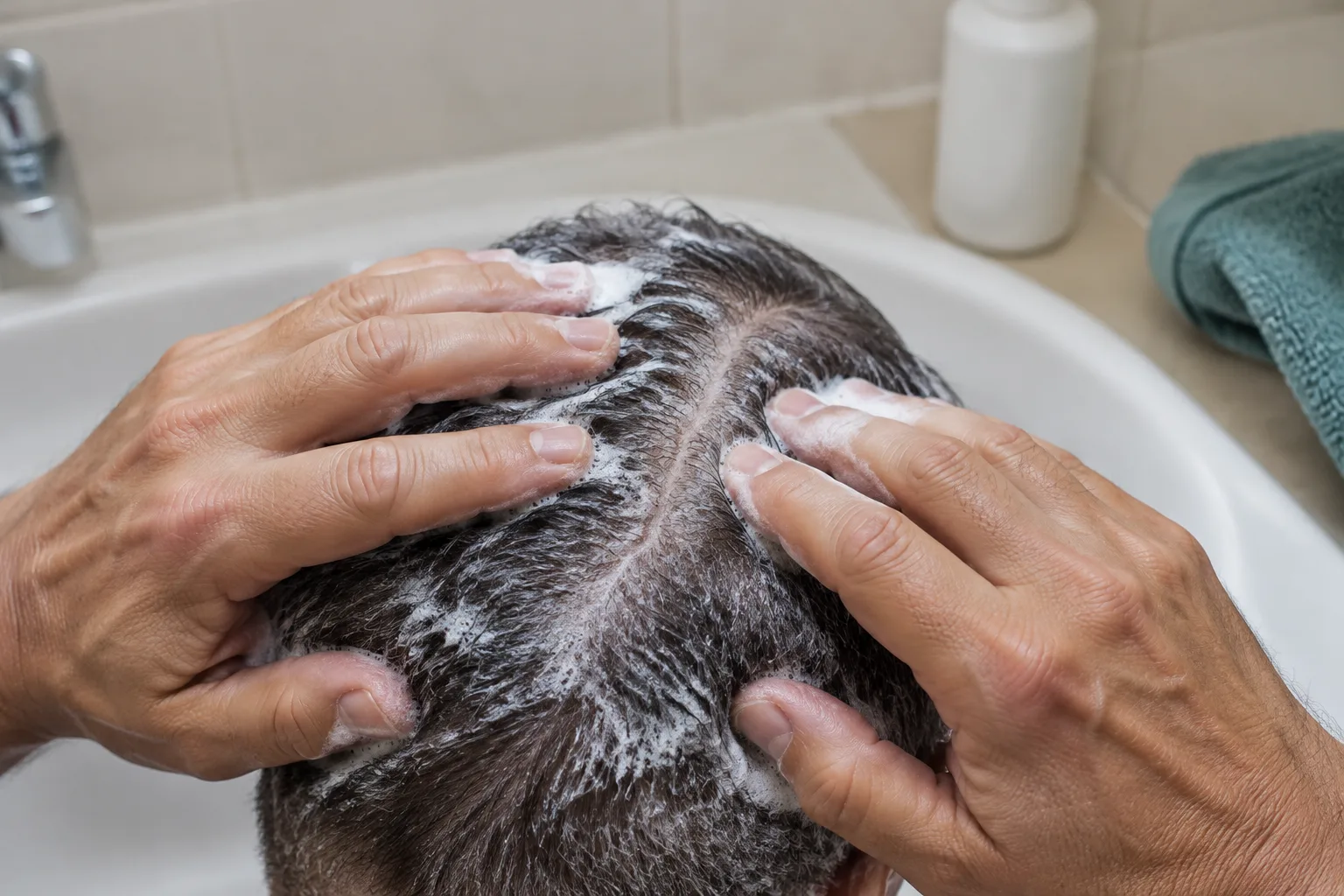
Scalp care also matters in dry months. The Independent relays advice to keep the scalp clean and avoid heavy build‑up. Gentle exfoliation can help remove excess debris, which supports a healthier environment for growth, without claiming to treat medical hair loss.
What people are saying
According to The Independent, stylists and trichologists point to cold, low‑humidity air, frequent hot tool use for winter events, tighter hairstyles and lifestyle stress as practical reasons people notice more shedding or thinner‑looking hair in winter.
A colourist quoted by The Independent also suggested reduced scalp blood flow in cold weather might contribute. Robust clinical evidence for that specific mechanism is limited, and any observed effect would likely be small compared with known drivers like illness, thyroid issues or nutritional changes.
Colorwowhair.com underscores that many “winter thinning” complaints are cosmetic rather than medical. They stress that haircare can improve the scalp environment and fibre strength, but diagnosing unexplained shedding is a clinical task, not one for shampoos or serums.
Dermatologists generally advise baseline steps that reduce mechanical stress in dry months: detangle gently, avoid tight styles, and limit high heat on straighteners or dryers. Our guide to how often to brush your hair explains how over‑brushing can raise breakage in fragile hair.
Clinicians also look beyond the bathroom. If shedding is unusually heavy, persistent, or accompanied by scalp symptoms, they consider thyroid imbalance, recent illness, medication changes and iron deficiency among other causes. Our overview of diffuse hair loss causes and tests explains what a GP or dermatologist may check.
What happens next
If you notice more hair in the plughole or brush this winter, start by observing the pattern. Transient increases without bald patches often settle, but shedding that is severe, continues beyond a few months, or presents in patches warrants medical assessment.
Adjust daily routines to reduce breakage during dry spells. Keep the scalp clean without heavy residue, lower heat where possible, and use heat protection when styling. Avoid very tight ponytails under hats, and consider smooth linings or a silk scarf under beanies to reduce friction.
Look after overall health. Good sleep, stress management and a balanced diet with enough protein support hair growth. If you have symptoms suggestive of thyroid disease, nutritional deficiency or another health issue, seek advice promptly rather than waiting for shedding to pass on its own.
Flat winter hair can be a styling issue rather than hair loss. Gentle root‑lifting techniques, looser updos and strategic trims can restore shape while being kind to fragile fibres, with more ideas in our guide to home remedies for dry hair and dry scalp.
Finally, watch your scalp. Persistent itch, pain, scale or pustules are reasons to book an appointment, as scalp conditions can drive shedding or breakage if untreated. Our explainer on scalp conditions that cause hair loss covers warning signs and next steps.
Related: Energy drinks and hair loss: study links sugary caffeine to risk
Why this matters
Winter can make hair feel thinner, but the reasons vary from normal shedding to breakage and scalp problems. Understanding the difference helps you avoid panic and target the real cause. If shedding is heavy, patchy or persistent, or your scalp is sore or inflamed, speak to a GP, dermatologist or trichologist. Our guide to telogen effluvium’s 6‑month decision point can also help you judge when to seek help.
Common questions
- does hair shed more in winter
- Some people do shed a bit more in winter, according to The Independent and colorwowhair.com. Dry air, heating and more styling can contribute, but not everyone is affected.
- is winter hair shedding real or a myth
- Experts cited by The Independent say seasonal shedding can happen, but many winter complaints are actually breakage or flatter hair rather than true hair loss.
- why does my hair look thinner in winter
- Colorwowhair.com notes hats can flatten roots, dry air can roughen strands and product build‑up can weigh hair down, making it look less full without fewer follicles.
- how do i tell shedding from breakage in winter
- Shed hairs detach from the root as full‑length strands, while breakage leaves shorter snapped pieces along the shaft. Colorwowhair.com stresses this distinction in winter.
- can holiday stress cause winter hair loss
- Yes. The Independent highlights stress as a trigger for telogen effluvium, a temporary shedding increase that usually settles once the trigger resolves.
- do tight hairstyles in winter cause hair loss
- Tight ponytails, buns and braids increase tension on follicles and can worsen shedding or traction damage, especially on dry scalps, according to The Independent.
- when should i see a doctor about winter hair shedding
- Seek advice if shedding is severe, lasts beyond a few months, is patchy, or you have scalp symptoms or health concerns such as possible thyroid issues.
- how can i reduce winter hair shedding and breakage
- Be gentle, avoid tight styles, lower heat, reduce friction from hats and keep the scalp clean without heavy build‑up. See a clinician if shedding is persistent.
Sources
- The Independent: Why winter hair loss happens and how can you stop it | The Independent
- colorwowhair.com: Winter Hair Shedding: Causes & How to Prevent Breakage – Color Wow
This article was written by Thicker Thinking using the sources listed above. It is for general information and is not medical advice. Speak to your GP, a dermatologist or a qualified trichologist about your own situation.