Camouflage and Styling
Home remedies for dry hair and dry scalp: what helps
Practical ways to soften dry hair, calm a dry scalp and avoid breakage — and when to seek expert help.
By the Thicker Thinking Editorial Team
Published · Updated · 6 min read
Quick answerWashing less often, easing off heat, using moisturising products, and shielding hair from sun can improve dry hair and dry scalp. Evidence for some oils is early, so patch‑test and see a clinician if symptoms persist.
Dry hair and a dry, itchy scalp are common complaints, especially when heat styling, sun exposure and frequent washing creep into routines. According to Healthline and drhanandermatologyclinic.com, simple changes at home can soften strands, reduce frizz and make styling easier.
The advice also underlines when dryness signals something more. If flaking, redness or tenderness persists, or if breakage and shedding escalate, both sources recommend seeking professional assessment to rule out scalp conditions or other causes of hair loss.
What happened
Healthline’s guidance centres on small, practical shifts that protect the hair shaft. Regular trims remove split ends that roughen the cuticle (the outer layer of the hair), making hair feel coarse and harder to style, and can instantly improve the way hair sits.
Gentler washing patterns are another theme. Healthline notes that shampoo lifts dirt and sweat but also removes sebum, the scalp’s natural oil that adds slip and shine. Spacing out washes and using products made for dry hair — or mild, baby‑style cleansers — can help preserve that protective oil film.
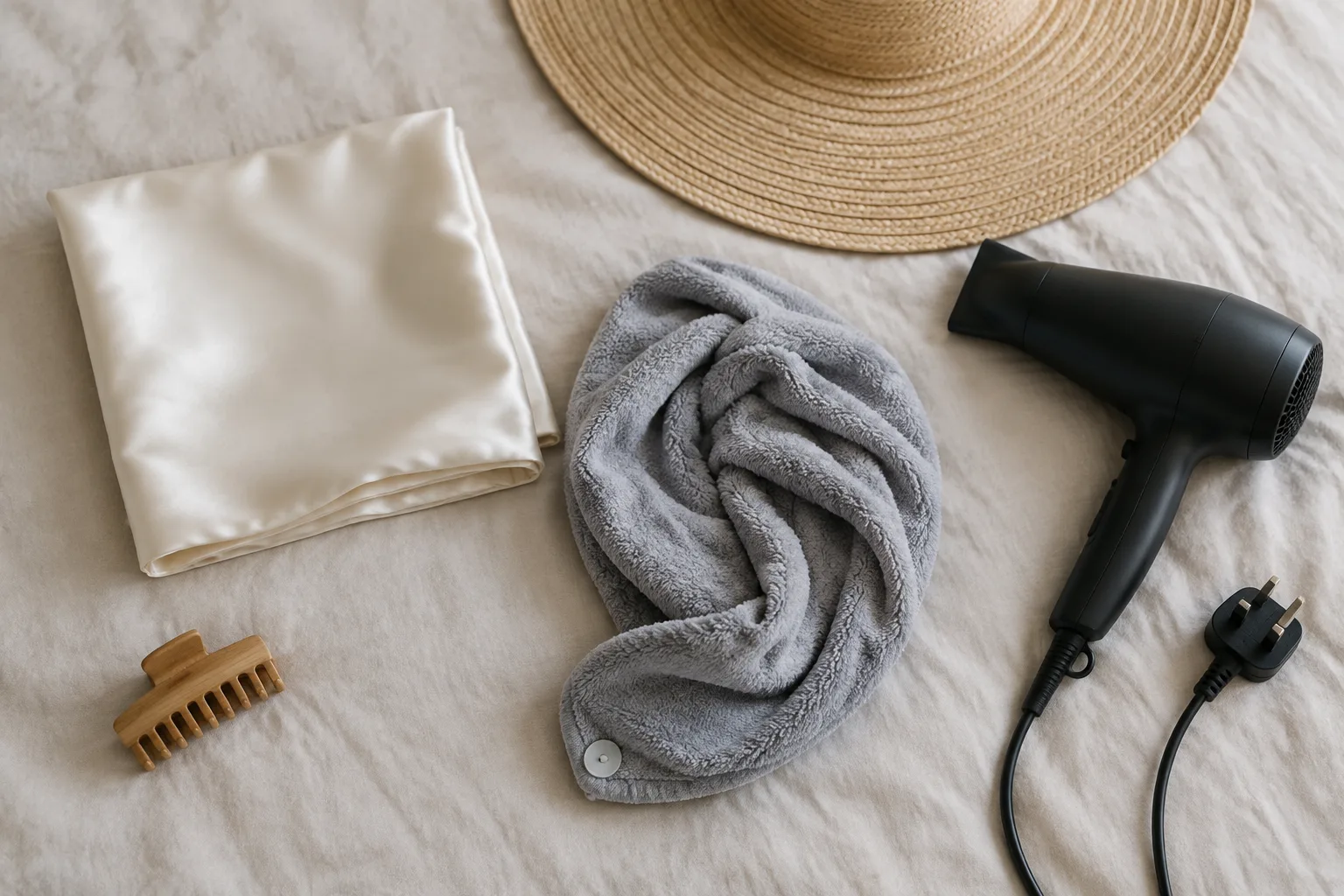
Heat is a key culprit. Researchers studying hair before and after blow‑drying reported measurable damage to the hair shaft, supporting the case for turning the temperature down and limiting the use of dryers, straighteners and curlers. Keeping any dryer at a distance further reduces risk.
Moisture management after washing also matters. Healthline points to findings that leaving hair wet for long periods can harm fibres in a way comparable to blow‑drying. Patting and wrapping — rather than rough towel‑drying or prolonged dampness — can limit swelling and friction, and a silk pillowcase may reduce overnight moisture loss.
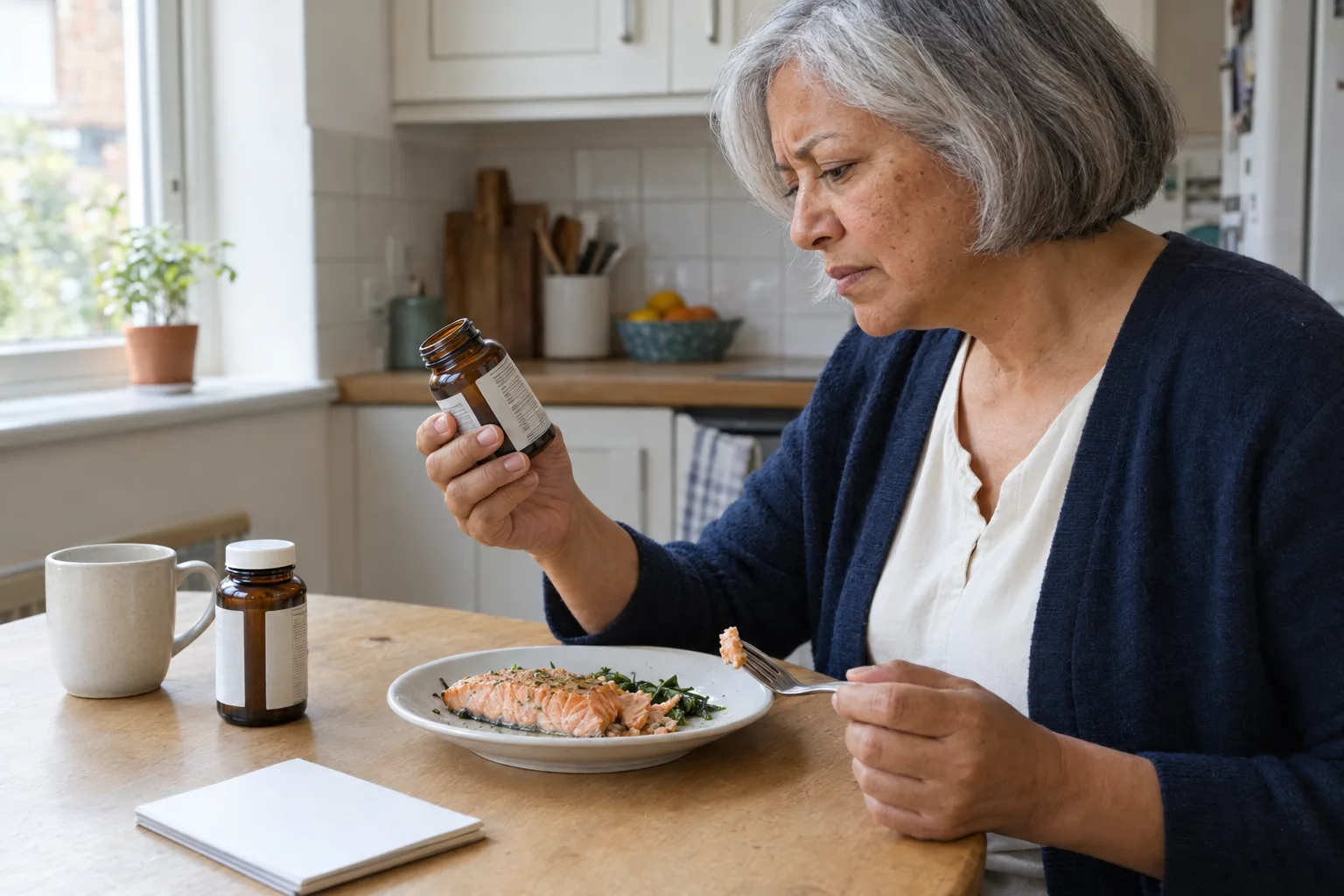
Dietary changes may have a visible payoff. Healthline highlights omega‑3‑rich fish such as salmon and mackerel, and antioxidant‑rich foods like blueberries and tomatoes, which may support shinier‑looking hair and counter oxidative stress that makes hair look older. Marine protein supplements have shown benefits for hair quality in research, while evidence for high‑dose biotin on its own remains limited.
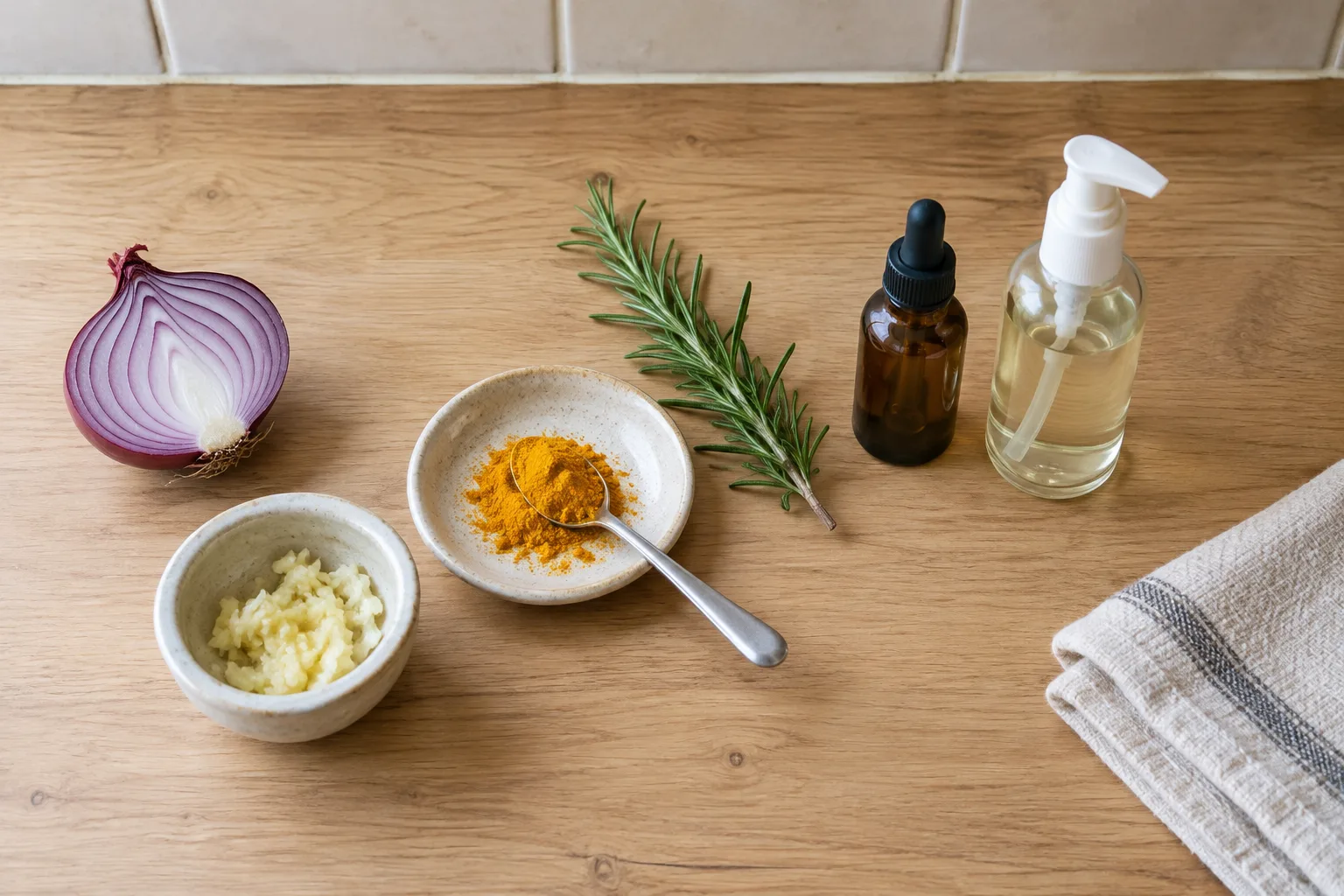
Plant oils feature in many routines, but evidence varies. Healthline notes argan oil is popular for softening ends, while peppermint and lavender oils are sometimes used to reduce breakage and hair loss, though data are early and skin reactions can occur. Dr Hanan’s clinic also highlights jojoba (which mimics scalp sebum), tea tree (antibacterial), and argan for hydration, with a reminder to patch‑test first.
Sun protection is practical and low‑cost. Both UV radiation and heat can degrade hair proteins and dry out the cuticle; Healthline suggests wearing a hat and notes that smoothing on pure aloe vera gel may help after UV exposure.
Coconut oil stands out among home options. Healthline cites research showing coconut oil can penetrate hair fibres, acting as an emollient to fill tiny defects and smooth the surface, which can reduce friction during styling and improve overall appearance.
For dry scalp specifically, Dr Hanan’s clinic recommends moisturising shampoos and conditioners containing humectants and emollients (such as glycerin, aloe vera, shea butter, argan or coconut oil) while avoiding harsh sulphates and alcohols that strip oil. This aligns with our explainer on what makes hair grow faster — and what causes breakage, which covers how cleansers and heat affect the cuticle.
The background
Dr Hanan’s clinic draws a clear line between dry scalp and dandruff. Dry scalp is typically caused by a lack of moisture, with small, white, dry flakes and a tight‑feeling scalp. Dandruff, by contrast, involves excess oil, larger yellowish flakes, and often needs antifungal and oil‑control treatments.
Several factors can set off dryness on the scalp. The clinic lists lack of moisture, harsh hair products, cold and dry winter air, and excessive heat as frequent triggers that sap the scalp’s natural oils and barrier function.
Ageing and hormonal changes can reduce sebum production, while skin conditions such as psoriasis, seborrhoeic dermatitis and eczema can cause persistent flaking, itch and irritation. These diagnoses need tailored care and sometimes prescription treatment.
Diet and hydration play a role in scalp comfort. The clinic notes that insufficient omega‑3 fatty acids, zinc and vitamins A and E, along with low water intake, can worsen dryness — a useful check alongside broader nutrition advice in our guide to vitamins for hair loss: what helps and what to know.
Overwashing and very hot showers can strip protective oils and irritate the scalp. Healthline suggests cooler rinses may refresh the scalp and cuticle, though claims about boosting growth should be treated cautiously as evidence is limited.
Dryness affects how hair looks as well as how it feels. Split, roughened ends scatter light and make hair appear frizzier and thinner, while a tidy, blunt trim can make lengths look denser. Our piece on the best haircuts for fine grey hair to look thicker outlines how shape and weight‑lines can create the appearance of more volume.
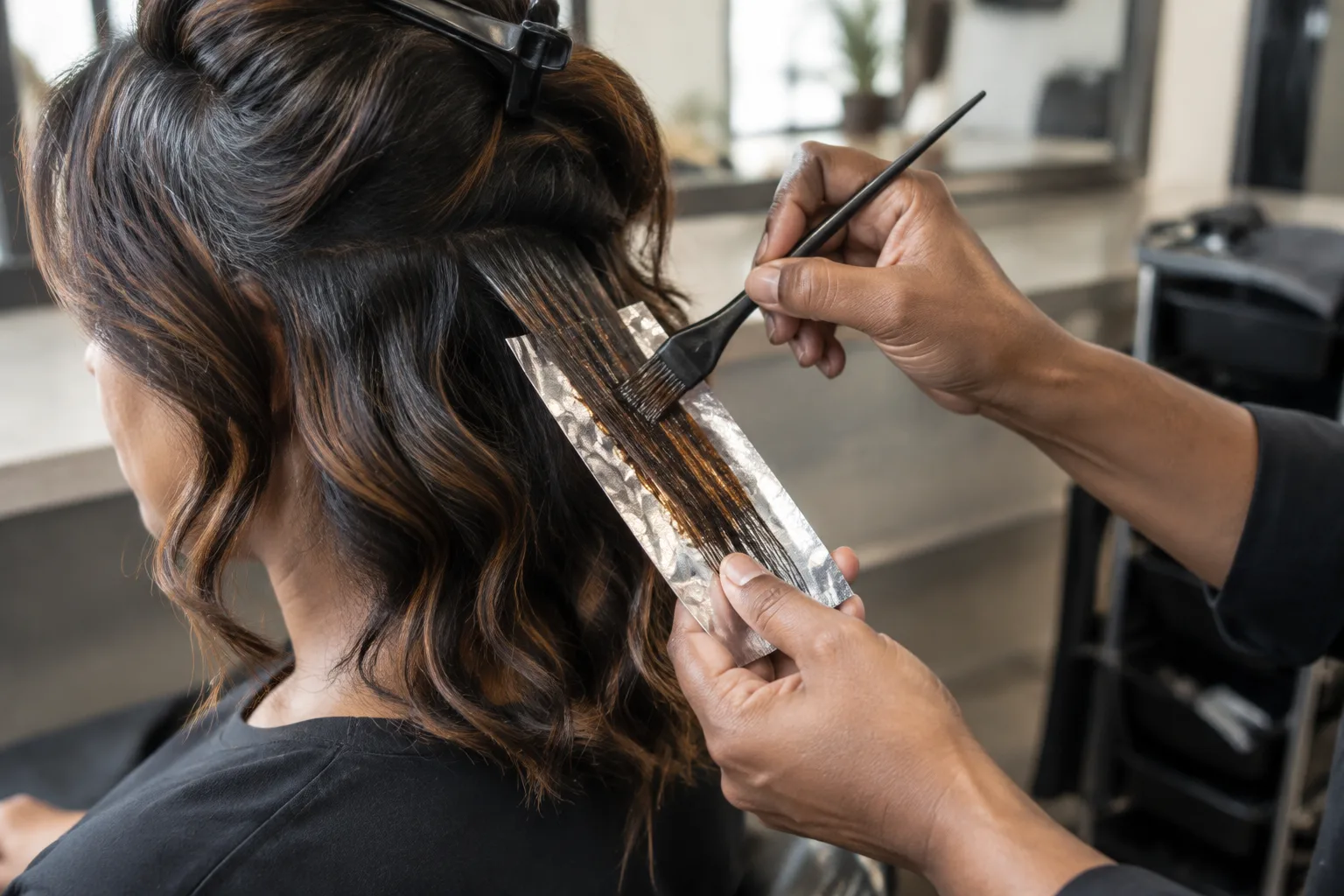
Chemical processes can compound dryness. Dr Hanan’s clinic advises limiting bleaching, colouring and perming when the scalp is irritated or hair feels brittle. If you do colour, our guide to safer colouring when hair is thinning covers patch testing and gentler approaches.
Seasonal routines help too. The clinic suggests using a humidifier in winter, moisturising the scalp regularly, and protecting hair from the summer sun with hats or SPF hair products — tips that sit well alongside our curly hair winter care strategies to reduce frizz.
Some people consider water quality when hair feels parched. While evidence is mixed, our report on a filtered showerhead and hair loss explains what lab tests and UK experts say about hard water, scalp comfort and simple workarounds.
What people are saying
Dermatologists generally advise starting with the basics: wash less often if you can, choose mild shampoos and conditioners, and minimise direct heat on the hair shaft. This combination reduces ongoing cuticle damage and helps natural oils do their job.
Trichologists often suggest light plant oils to seal in moisture on mid‑lengths and ends, and, for dry scalp, occasional use of scalp‑friendly oils. They also stress patch‑testing, as fragranced essential oils can irritate sensitive skin.
On supplements, specialists typically note they only help hair if there is a deficiency. Healthline points out that while marine protein supplements have shown benefits in studies, strong evidence for biotin alone in otherwise healthy people is lacking.
Clinicians also flag lifestyle factors. Dr Hanan’s clinic lists smoking and unmanaged stress as aggravators of scalp conditions, recommending stress‑reduction techniques and quitting smoking to support skin and scalp health.
When dryness persists or escalates, medical options may be needed. Dr Hanan’s clinic highlights medicated shampoos containing ketoconazole, selenium sulphide or zinc pyrithione, topical corticosteroids to calm inflammation, and vitamin D‑based treatments such as calcipotriene for specific inflammatory scalp problems.
If you are seeing increased shedding, bald patches or patterned thinning alongside dryness, Healthline advises a medical review rather than self‑treating. A clinician can check for common causes of diffuse shedding and advise on next steps, complementing our guide to how much hair loss is normal — and when to worry.
What happens next
For most people, the first step is to decide whether the issue is dry scalp or dandruff, then match care accordingly — moisture‑led for dryness, antifungal and oil‑control for dandruff — as outlined by Dr Hanan’s clinic.
From there, small changes compound: wear a hat in strong sun, turn down heat tools, space out washes, and opt for moisturising products that avoid harsh sulphates and alcohols. Healthline’s suggestions around cooler rinses, gentle drying and occasional plant oils can be layered in cautiously.
Track how your hair and scalp respond over time and avoid introducing several new products at once, which can make reactions harder to spot. Patch‑test any new oil or leave‑on, and keep fragrances low if your scalp is reactive.
If itching, redness, swelling or tenderness are persistent, or if dryness comes with clumps of shed hair, bald patches or a clear pattern of thinning, book an appointment with a GP, dermatologist or trichologist. Prescription shampoos or short courses of anti‑inflammatory treatments can make a marked difference when home care is not enough.
Looking ahead, clinics expect continued interest in gentle, moisturising formulas and UV protection for hair, reflecting the shift towards protecting the cuticle and scalp barrier. For many, these styling‑adjacent habits are an easy win: they soften hair, reduce breakage and make any length and texture easier to wear day‑to‑day.
Related: How often should you brush your hair? What experts advise
Related: Catherine Zeta‑Jones debuts ‘twilights’ to cover grey hair
Related: Natural treatments for alopecia areata: what the evidence says
Why this matters
Dryness can make hair look flyaway and thinner, which is tough when you’re already worried about density. Small, evidence‑based changes to washing, heat and sun habits can improve day‑to‑day styling without risking your scalp. If itching, redness or shedding persists, speak to a GP, dermatologist or trichologist for diagnosis and tailored care. Our guide to how much hair loss is normal — and when to worry can help you decide when to get checked.
Common questions
- what are easy home remedies for dry hair
- Try spacing out washes, turning down heat tools, using moisturising shampoos and conditioners, and protecting hair from sun. Healthline also notes coconut oil can penetrate hair fibres and improve smoothness.
- how is dry scalp different from dandruff
- Dry scalp lacks moisture and sheds small, white, dry flakes with a tight feel. Dandruff involves excess oil, larger yellowish flakes and often needs antifungal and oil‑control treatments, according to drhanandermatologyclinic.com.
- do omega-3s and antioxidants help dry hair
- They may help hair look shinier and counter oxidative stress. Healthline highlights omega‑3‑rich fish and antioxidant‑rich foods as supportive options for hair appearance.
- should you wash dry hair every day
- Not usually. Healthline explains shampoo removes sebum as well as dirt, so washing less often and using milder cleansers can help preserve natural oils.
- does coconut oil really penetrate hair
- Yes. Healthline cites research showing coconut oil can penetrate hair fibres and act as an emollient, filling small defects and smoothing the cuticle.
- can essential oils fix a dry scalp
- Some plant oils (like argan or jojoba) can help with moisture, but evidence for essential oils such as peppermint or lavender is limited. Patch‑test first to avoid irritation.
- when should i see a doctor about a dry scalp
- Seek help if dryness persists despite gentle care, or if there’s severe itching, redness, swelling or tenderness. See a clinician promptly if shedding is patchy or patterned.
Sources
- Healthline: 10 Home Remedies for Dry Hair
- drhanandermatologyclinic.com: 10 Best Dry Scalp Treatments: Causes, Powerful Remedies & Prevention Tips - Dr. Hanan Dermatology Speciality Clinic
- Cleveland Clinic: How To Protect Your Hair From Sun Damage
This article was written by Thicker Thinking using the sources listed above. It is for general information and is not medical advice. Speak to your GP, a dermatologist or a qualified trichologist about your own situation.