Hair Loss Causes
How much hair loss is normal — and when to worry
Daily shedding is normal; here’s when extra hair fall may signal a problem and what commonly drives it.
By the Thicker Thinking Editorial Team
Published · 5 min read
Quick answerMost people naturally shed 50–150 hairs a day. Persistent increases, bald patches, hairline changes or scalp symptoms suggest a problem and are worth discussing with a GP or dermatologist.
Most people notice loose strands in the shower or on a hairbrush. According to Cleveland Clinic and prevention.com, that day‑to‑day shedding is usually part of the hair cycle rather than a sign of disease.
Both sources say the amount varies by person, but broadly falls in a typical range: Cleveland Clinic cites around 50–150 hairs daily, while prevention.com notes 50–100 as common and says consistently losing more than 150 can be abnormal.
What happened
Guidance from Cleveland Clinic explains the difference between routine shedding and true hair loss, outlining when changes in volume, pattern or scalp symptoms deserve assessment. Prevention.com reports specialist input on the hair growth cycle and highlights thresholds that can help people judge excess fall.
Cleveland Clinic also lists frequent triggers for increased shedding, including tight hairstyles and high‑heat tools, psychological stress, certain medicines, and nutrient shortfalls. Prevention.com adds that a common temporary condition, telogen effluvium, often follows illness, medication changes or major stress and usually improves after about three to four months.
Experts quoted by prevention.com say men and women shed similar daily numbers on average, but women with longer hair tend to notice it more. Cleveland Clinic notes men are generally more prone to permanent hair loss, while women commonly see increased shedding around pregnancy and menopause.
The background
Each scalp contains roughly 100,000 hair follicles, Cleveland Clinic explains, and hairs rotate through phases. The growth phase (anagen) typically lasts years, before a short transition (catagen) and a resting phase (telogen) that precedes shedding.
Prevention.com reports that dermatologists also distinguish an exogen phase — the point when the old hair is released as a new hair forms — making shedding a programmed part of renewal rather than a failure of growth.
Durations vary by person, but Cleveland Clinic describes anagen as lasting two to eight years, catagen for two to six weeks, and telogen for two to four months. That timing helps explain why noticeable changes may take months to appear after a trigger.
Temporary shedding can follow many stressors. Cleveland Clinic lists psychological stress as one cause; readers can learn more about timing and recovery in our explainer on stress-related hair loss.
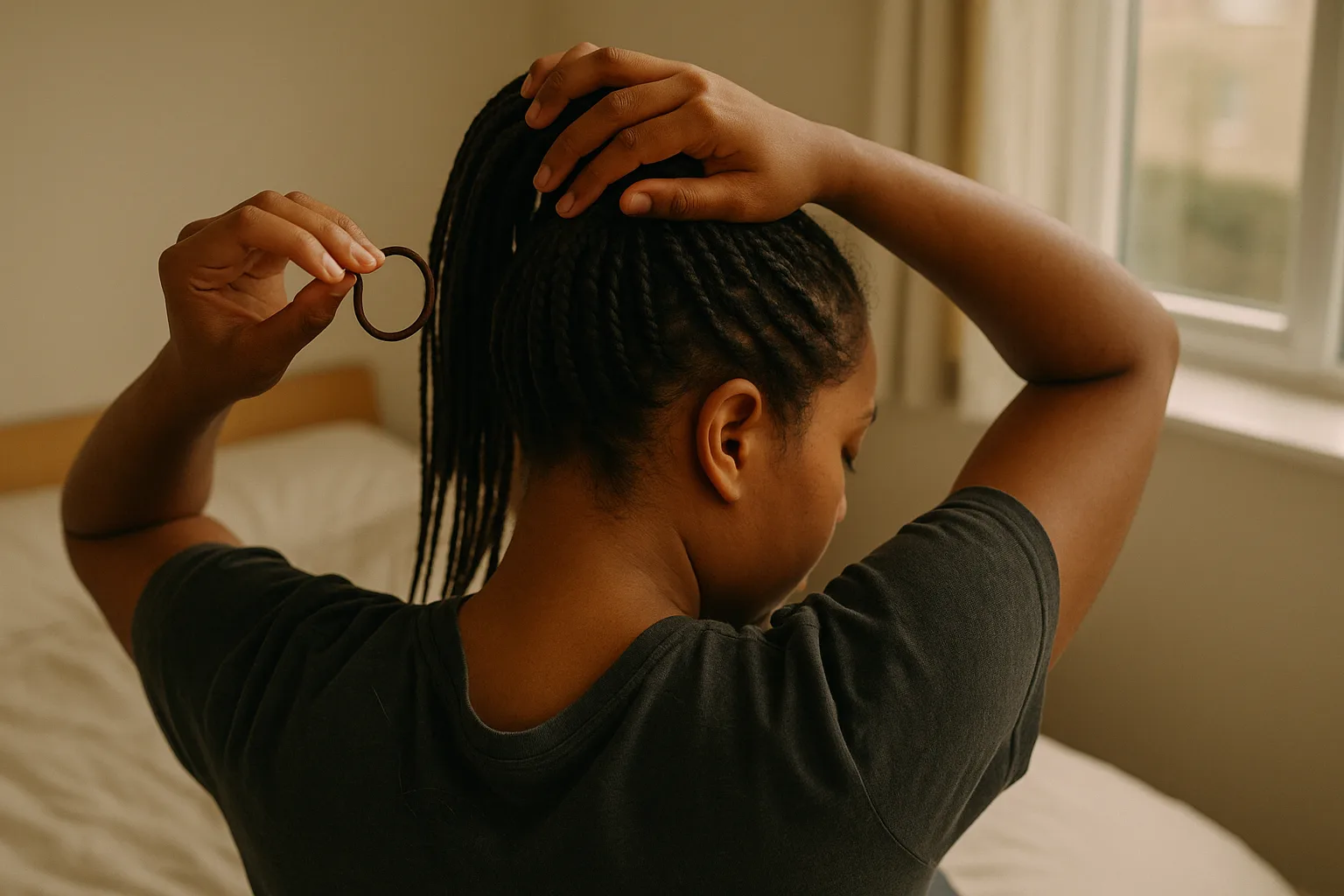
Grooming habits matter. Cleveland Clinic warns that tight styles and frequent high‑heat tools increase shedding and can damage follicles over time. Chronic traction can progress to permanent loss; our guide on traction alopecia and tight styles sets out the signs.
Medication effects are another driver. Cleveland Clinic highlights antidepressants and blood thinners as examples that may disrupt growth cycles. Prevention.com notes medicines for cancer, arthritis, heart problems, gout and high blood pressure have also been linked with shedding in some people.
Nutrition supports hair formation. Cleveland Clinic points to protein, iron and vitamin B12 among nutrients important for growth, and notes that low levels can leave hair brittle or reduce growth. We review this further in protein deficiency and hair loss.
Telogen effluvium is a descriptive term used when a higher‑than‑usual number of follicles enter the resting phase after a shock such as illness or medication change, according to prevention.com. It is typically self‑limited, and excess shedding often improves within about three to four months as the trigger resolves.
Pattern hair loss is different. Prevention.com reports that androgenetic alopecia — the most common permanent type — can feature ongoing shedding alongside progressive thinning. Our overviews of female pattern hair loss and male pattern baldness explain how it presents and the support options available.
Women may perceive more hair loss than men because long strands stand out in the shower or brush, prevention.com notes. That visibility does not necessarily mean a worse condition; the absolute daily count is what matters for assessing excess shedding.
What people are saying
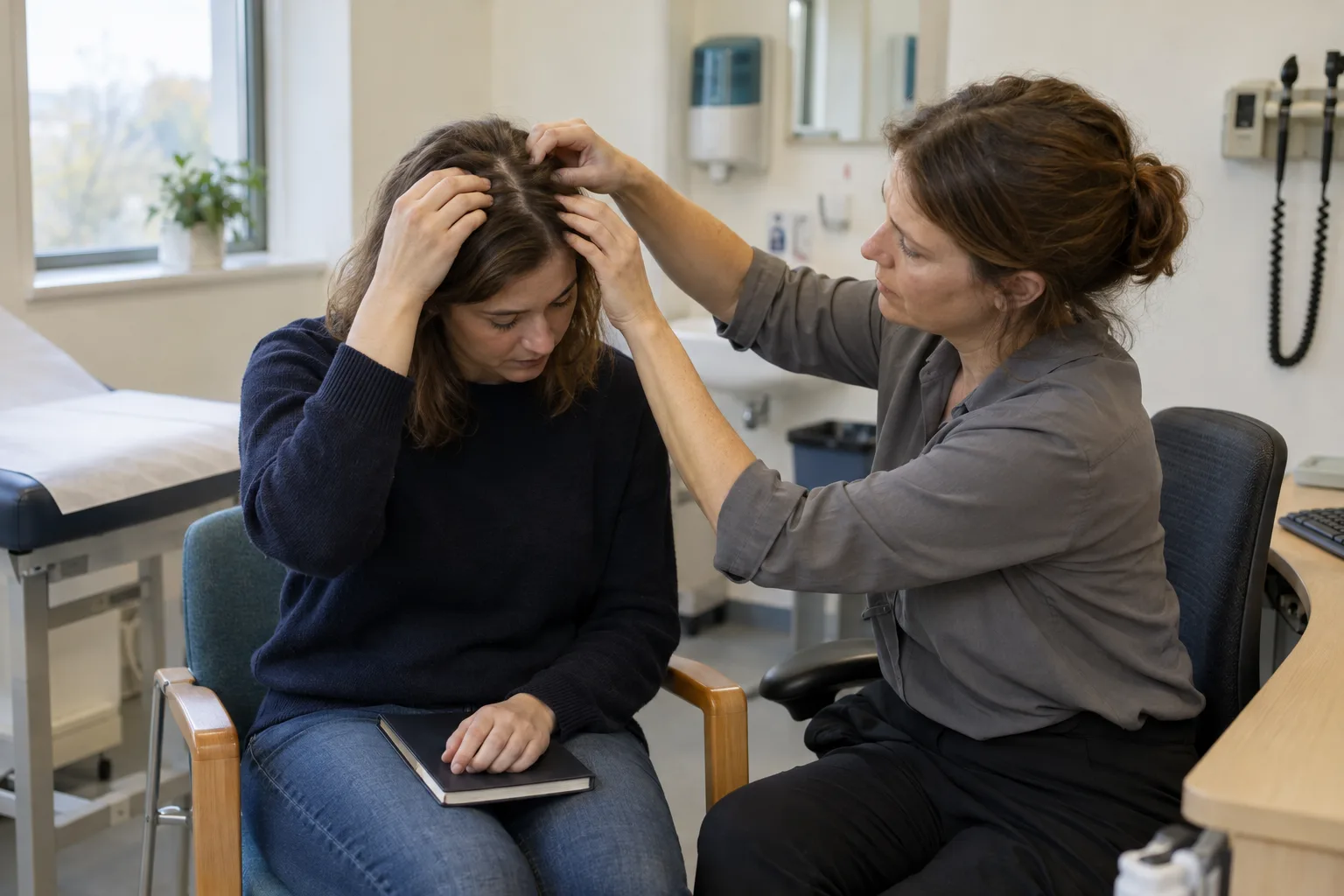
Cleveland Clinic advises seeking medical advice if shedding increases significantly, if the hairline changes, if there are visible patches or if the scalp is sore or itchy. A clinician can help distinguish extra shedding from breakage or scarring conditions.
A simple “pull test” may be used by clinicians: gentle traction on a small bundle of hairs; a higher‑than‑expected release can indicate active shedding, Cleveland Clinic explains. This is one clue alongside pattern, history and scalp examination.
Cleveland Clinic suggests providing a full hair history in consultations — when changes began, where thinning is most noticeable and any associated symptoms — because this helps separate temporary shedding from halted regrowth and guides next steps.
Prevention.com relays that average daily shedding is similar in men and women, but wash days can concentrate the shed. It reports that many women with androgenetic alopecia shed far above usual ranges during shampooing, with one expert citing more than 400 hairs per wash in about 60% of cases.
Both sources emphasise triggers you can address. Cleveland Clinic notes reducing tight styles and high‑heat exposure, managing stress, reviewing medicines with a prescriber when appropriate and correcting low nutrients can reduce excessive shedding when these are the causes.
Dermatologists generally advise against self‑diagnosing the cause, because overlapping issues are common. They recommend medical assessment for sudden changes, new bald patches, symptoms such as pain, or shedding that continues beyond a few months.
What happens next
If shedding seems higher than your usual baseline, clinicians will typically look for recent stressors, illnesses, medication changes and hair‑care practices, as Cleveland Clinic sets out. They will also examine the scalp to check for inflammation, scaling or scarring.
Addressing a temporary trigger often allows shedding to settle, according to Cleveland Clinic. For telogen effluvium linked to a fixable cause, prevention.com notes improvement often appears within about three to four months as more follicles return to growth.
If pattern hair loss is suspected, early assessment can help plan long‑term management. Our explainers on male pattern baldness and female pattern hair loss outline recognised options and the realistic timelines clinicians discuss.
For people with tight hairstyles or frequent heat styling, Cleveland Clinic advises easing tension and reducing heat exposure to protect follicles. This can prevent traction‑related damage that, if chronic, may lead to permanent loss.
If medicines might be contributing, Cleveland Clinic recommends discussing risks and alternatives with a prescriber rather than stopping treatment abruptly. Prevention.com lists several drug classes associated with shedding in some people, underscoring the importance of a tailored plan.
Where diet is a concern, Cleveland Clinic highlights protein, iron and vitamin B12 as key for healthy growth. Clinicians may consider looking for and correcting deficiencies when suggested by symptoms and history, alongside broader hair‑care advice.
People experiencing new scalp symptoms — tenderness, irritation or flaking — alongside hair fall should also seek medical advice, Cleveland Clinic notes, as some scalp conditions require specific treatment beyond general shedding management.
Finally, if you are tracking changes, try to compare like with like: prevention.com notes wash‑day counts can look alarming because several days’ shed accumulates. Consistent patterns over weeks are more informative than a single day’s observation.
Why this matters
Knowing what counts as normal shedding can reduce worry and help you spot meaningful changes early. If you see persistent increases, patches, a changing hairline, or scalp symptoms, it is worth speaking to a GP, dermatologist or trichologist. Temporary shedding from stress, illness or grooming habits is common and often improves when triggers are addressed, but pattern and scarring types need tailored care. Our guide to stress-related hair loss explains timing and recovery, and support is available on the NHS and privately if you need it.
Common questions
- how much hair loss is normal per day
- Most people naturally shed about 50–150 hairs daily, according to Cleveland Clinic and prevention.com. Consistently higher amounts may indicate a problem worth assessing.
- when should i worry about hair loss
- Seek advice if shedding persistently increases, you notice bald patches or hairline changes, or you have scalp pain, irritation or itching, Cleveland Clinic advises.
- do women lose more hair than men
- Average daily shedding is similar, prevention.com reports, but men are more likely to have permanent hair loss and women often notice shedding more, especially with long hair.
- what is the hair growth cycle
- Hair grows (anagen), transitions (catagen), rests (telogen) and then sheds. Dermatologists also describe an exogen phase when the old hair is released, prevention.com notes.
- can stress cause hair loss
- Yes. Cleveland Clinic lists psychological stress as a trigger for increased shedding. Managing stress can help when this is the cause.
- which medicines can cause hair shedding
- Cleveland Clinic mentions antidepressants and blood thinners. Prevention.com adds drugs for cancer, arthritis, heart problems, gout and high blood pressure.
- how long does telogen effluvium last
- Prevention.com reports this temporary shedding often improves after about three to four months once the trigger is addressed.
- what is a hair pull test
- It’s a simple check where gentle traction on a small bundle of hairs assesses how many release. A higher‑than‑expected result can indicate active shedding, Cleveland Clinic explains.
Sources
- Cleveland Clinic: How Much Hair Loss Is Normal and When To Worry
- prevention.com: How Much Hair Loss Is Normal? Dermatologists Weigh In
This article was written by Thicker Thinking using the sources listed above. It is for general information and is not medical advice. Speak to your GP, a dermatologist or a qualified trichologist about your own situation.