Hair Loss Causes
Rosemary oil and scalp massagers: hair loss risks and facts
A trichologist’s review highlights risks from tight styles, harsh tools and over‑hyped products, according to The Independent.
By the Thicker Thinking Editorial Team
Published · 6 min read
Quick answerSome viral hair hacks are low risk, but others can irritate the scalp or cause traction on follicles. Evidence for rosemary oil is limited, and dermatology-led treatments work better when started early.
Social media is full of shortcuts that promise thicker, faster-growing hair, but several popular hacks may be unhelpful or risky for the scalp, according to The Independent and the-independent.com.
Trichologist Anabel Kingsley reviewed common trends and warned that some can irritate the skin, strain follicles or delay proven treatment for progressive conditions, particularly in women.
What happened
Kingsley told The Independent that rosemary oil’s online reputation rests heavily on a single small human study from 2015 in 50 men, which is not robust evidence for women or wider use.
She noted the trial compared rosemary oil with a lower-strength minoxidil, limiting what we can conclude about relative effectiveness and real-world benefit.
Her concern is not that rosemary oil is inherently dangerous, but that relying on it for visible thinning could postpone starting treatments with stronger evidence.
Kingsley also challenged the idea that washing less will “train” the scalp to produce less sebum, explaining that oil is made by glands in the skin, not by hair itself.
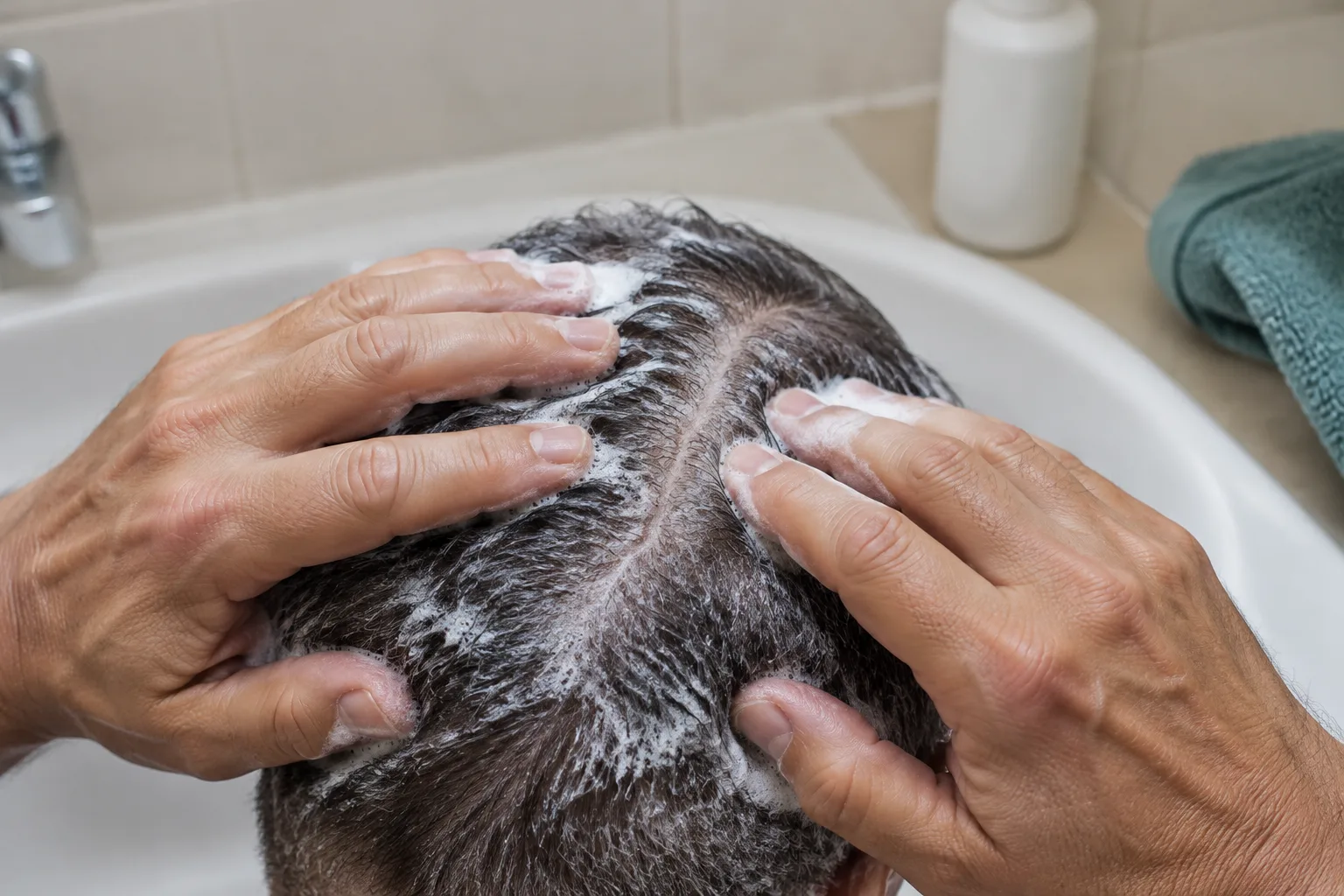
She said wash frequency should follow scalp needs and lifestyle, and added that thorough fingertip massage during shampooing helps cleanse at the roots without extra tools.
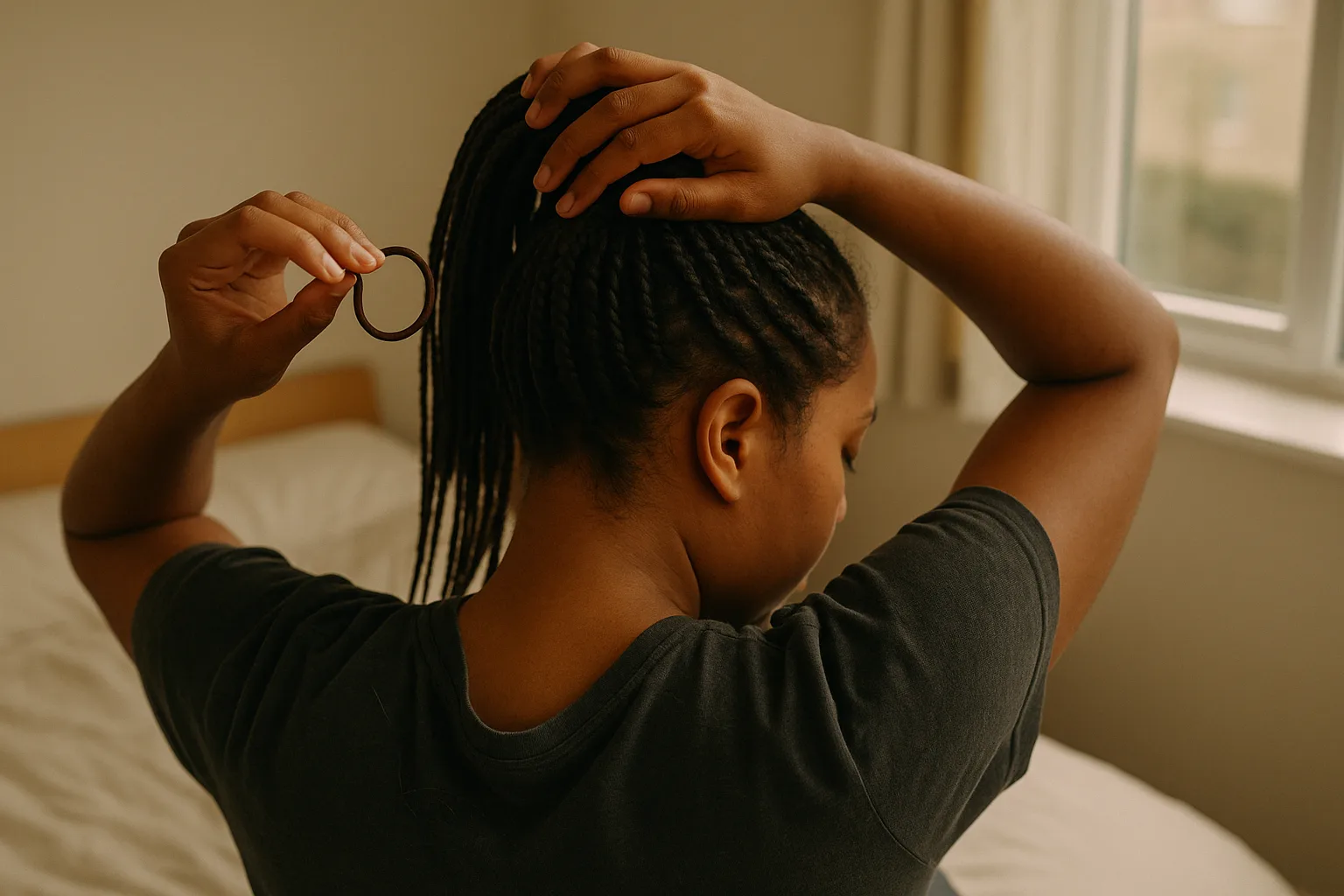
On styling, she highlighted that repeated tension from slicked-back buns or tight heatless-curl methods can injure follicles over time, leading to traction alopecia.
Traction-related loss can become permanent if tension continues for long enough, so she advised avoiding painful styles and rotating looks to reduce strain.
Kingsley suggested caution with scalp massagers, especially those with rigid or pointed teeth, which can scratch the skin when used forcefully.
She recommended using fingertips instead of abrasive tools during cleansing to minimise abrasion and preserve the skin barrier on the scalp.
On product labels, she cautioned against assuming sulphate-free means gentler, saying formulation matters more than a single ingredient claim.
“Sulphates are completely fine,” she said, arguing that some sulphate-free shampoos can be just as harsh depending on how they are made and used.
Kingsley was similarly sceptical about collagen shampoos, noting they do not change how follicles grow hair because hair is not made of collagen.
She added that while proteins in shampoos or conditioners can coat fibres and add temporary fullness, these effects do not increase the number of growing hairs.
On treatment, Kingsley pointed to minoxidil as one of the most studied options for female pattern hair loss, a progressive condition where hairs gradually miniaturise.
She distinguished this from telogen effluvium, a shedding surge often triggered by illness, stress, medication changes, nutritional issues or childbirth, where addressing the cause is key.
The background
Female pattern hair loss (androgenetic alopecia) typically presents as widening of the part and increased scalp visibility rather than receding temples, and earlier intervention tends to preserve more density.
Telogen effluvium usually starts two to three months after a trigger and can settle once the body recovers, which is why pinpointing the cause is the first priority.
Dermatologists generally advise checking for scalp inflammation, scaling or tenderness, because conditions like seborrhoeic dermatitis can worsen with infrequent washing and benefit from regular cleansing.
Tension-based damage occurs because tight styles pull on follicles, causing inflammation around the root; over time this can scar the follicle, leading to permanent loss if unchanged.
To lower traction risk, specialists often suggest looser styles, alternating partings, avoiding styles that hurt, and taking breaks from extensions or heavy accessories.
Where breakage is the main complaint, hair fibres may be snapping rather than shedding from the root; recognising the difference guides whether to adjust styling or investigate a medical trigger, as we explored in our guide to hair shaft defects: causes, signs and when they cause hair loss.
Essential oils can sensitise the skin, and fragrance components may cause contact dermatitis; patch testing on a small area and stopping if irritation appears is sensible.
Rosemary oil has antioxidant and anti-inflammatory properties in lab models, but human trials are scarce, small and varied, so benefits and best practices remain uncertain.
Scalp massagers marketed for “circulation” differ from medical microneedling devices; the latter involve controlled punctures and clinical protocols, which is a different category of evidence entirely, as we covered in dermaroller for hair growth: what the evidence and experts say.
Surfactants such as sulphates lift oil and dirt so water can rinse them away; mildness depends on concentration, co-ingredients and the overall formula rather than a single “free-from” claim.
Collagen is a structural protein in skin, not a building block of hair shafts; topical collagen in rinse-off products has little time to interact with follicles deep in the scalp.
For diffuse shedding, keeping a simple log of timing, illnesses, medications, and major stressors can help clinicians link events to hair cycle shifts, as discussed in telogen effluvium hair shedding: the 6‑month decision point.
Psychological stress is a well-recognised trigger for telogen effluvium; stress-management strategies may support recovery alongside medical advice, echoing findings in our explainer does stress cause hair loss? Signs, timing and recovery.
What people are saying
According to The Independent, Kingsley emphasised that fashionable hacks can blur the line between cosmetic thickening and true regrowth, leaving people disappointed when density does not change.
Dermatologists generally advise starting with a clear diagnosis, because treatment choices differ for pattern hair loss, shedding disorders, and inflammatory scalp diseases.
Pharmacists can guide safe use of over-the-counter options and flag interactions or conditions that warrant medical review before starting any hair loss product.
Trichologists often remind patients that realistic goals matter: slowing progression and maintaining coverage are common successes in pattern hair loss, rather than dramatic regrowth.
People frequently misread increased hair on a brush as new loss; a gentle comb-through test and part-line photos taken monthly can help track trends objectively, as outlined in our overview of diffuse hair loss: causes and tests.
Specialists also caution that irritated scalps shed more; swapping harsh tools for fingertips and adjusting wash routines to comfort can reduce compounding inflammation.
What happens next
If you notice widening at the part or chronic thinning, seek assessment early; progressive conditions are typically easier to stabilise than to reverse once advanced.
If shedding follows illness, childbirth or a medication change, speak to a GP about the likely trigger, expected timelines, and blood tests if indicated for factors like iron or thyroid.
Anyone developing tenderness, bumps or broken hairs along tension lines from slick styles should reduce strain immediately to lower traction risk and allow recovery.
People considering oils or new tools can test a small area first and stop at the first sign of itching, flaking or burning, then discuss options with a healthcare professional.
Future research that includes women and larger sample sizes would clarify whether rosemary oil helps certain groups and how to use it safely alongside standard therapies.
Better safety data on scalp tools would also help, distinguishing gentle massagers from abrasive designs and setting clear advice for those with sensitive or inflamed scalps.
For a balanced overview of established care pathways and where newer options fit, see our summary of Mayo Clinic hair loss diagnosis and treatment options.
Related: Drug-induced hair loss: causes, signs and what helps
Why this matters
Trends can be tempting when you want quick results, but scalp irritation and traction can worsen shedding or mask the real cause. If you see widening at the part, tender spots, or shedding that persists beyond three months, it’s worth speaking to a GP, dermatologist or trichologist. Early assessment helps distinguish pattern hair loss, temporary shedding and scalp disease, and guides safe, effective next steps. For practical context on stress and shedding, see our explainer Does stress cause hair loss?.
Common questions
- does rosemary oil help hair growth
- Evidence is limited. According to The Independent, a small 2015 study in 50 men is often cited, but wider, well-controlled trials including women are lacking.
- are scalp massagers good for hair growth
- Fingertip massage is safe, but rigid or pointed massagers can scratch the scalp. According to The Independent, a trichologist considers many of them unnecessary or potentially abrasive.
- can washing my hair less make it less greasy
- No. Sebum comes from scalp glands and cannot be “trained” by stretching wash days, The Independent reports. Wash as often as your scalp needs.
- do slicked-back buns cause hair loss
- Tight, prolonged styles can cause traction alopecia by straining follicles. Reducing tension and rotating styles lowers the risk of permanent loss.
- are sulphate-free shampoos better for hair
- Not always. Formulation matters more than a single ingredient claim. A trichologist told The Independent, “Sulphates are completely fine,” in appropriate formulas.
- do collagen shampoos make hair thicker
- They can make strands feel fuller temporarily, but they do not change follicle growth. Collagen does not build hair shafts.
- what actually works for female pattern hair loss
- Minoxidil remains one of the most studied options. Speak to a GP, dermatologist or pharmacist about suitability and other treatments based on diagnosis.
- what triggers telogen effluvium shedding
- Common triggers include illness, major stress, nutritional issues, some medicines and childbirth. Identifying and addressing the cause is the priority.
Sources
- The Independent: This viral beauty hack could actually be damaging your scalp and hair | The Independent
- the-independent.com: This viral beauty hack could actually be damaging your scalp and hair | The Independent
- The Independent: This viral beauty hack could actually be damaging your scalp and hair | The Independent
This article was written by Thicker Thinking using the sources listed above. It is for general information and is not medical advice. Speak to your GP, a dermatologist or a qualified trichologist about your own situation.