Hair Loss Causes
Folliculitis decalvans: scarring scalp inflammation that causes hair loss
A rare scarring scalp condition can destroy follicles and cause permanent bald patches if untreated, dermatology bodies say.
By the Thicker Thinking Editorial Team
Published · 6 min read
Quick answerFolliculitis decalvans is a rare, long‑term inflammation of hair follicles that can scar and cause permanent hair loss. Early diagnosis and treatment can help limit damage, according to British Association of Dermatologists and ubiehealth.com.
Folliculitis decalvans is an uncommon cause of hair loss that scarring specialists want people to recognise early. It is a chronic inflammation of hair follicles that can permanently destroy follicles if not brought under control, according to the British Association of Dermatologists (BAD) and ubiehealth.com.
This condition mainly affects the scalp but can involve other hair‑bearing skin. It is estimated to affect between 1 in 10,000 and 1 in 25,000 people, with men more commonly affected than women, and most cases presenting in adulthood, BAD reports.
What happened
Dermatology guidance describes folliculitis decalvans as a long‑term follicle‑centred inflammation that often leads to scarring hair loss. The scalp may show redness, swelling, scabs and crusts, with tender or itchy areas that can bleed or ooze. Shiny skin in bald areas reflects follicle loss and permanent alopecia.
A distinctive clinical clue is “tufting”, where multiple hairs emerge from a single enlarged follicle opening, creating a bristle‑like look. Any scalp region can be affected, and the condition may heal then flare again over months or years.
The exact cause is unknown, but BAD notes a suspected abnormal immune response to Staphylococcus aureus, a bacterium that commonly lives on skin. The disorder itself is not passed between people, though S. aureus can be contagious.
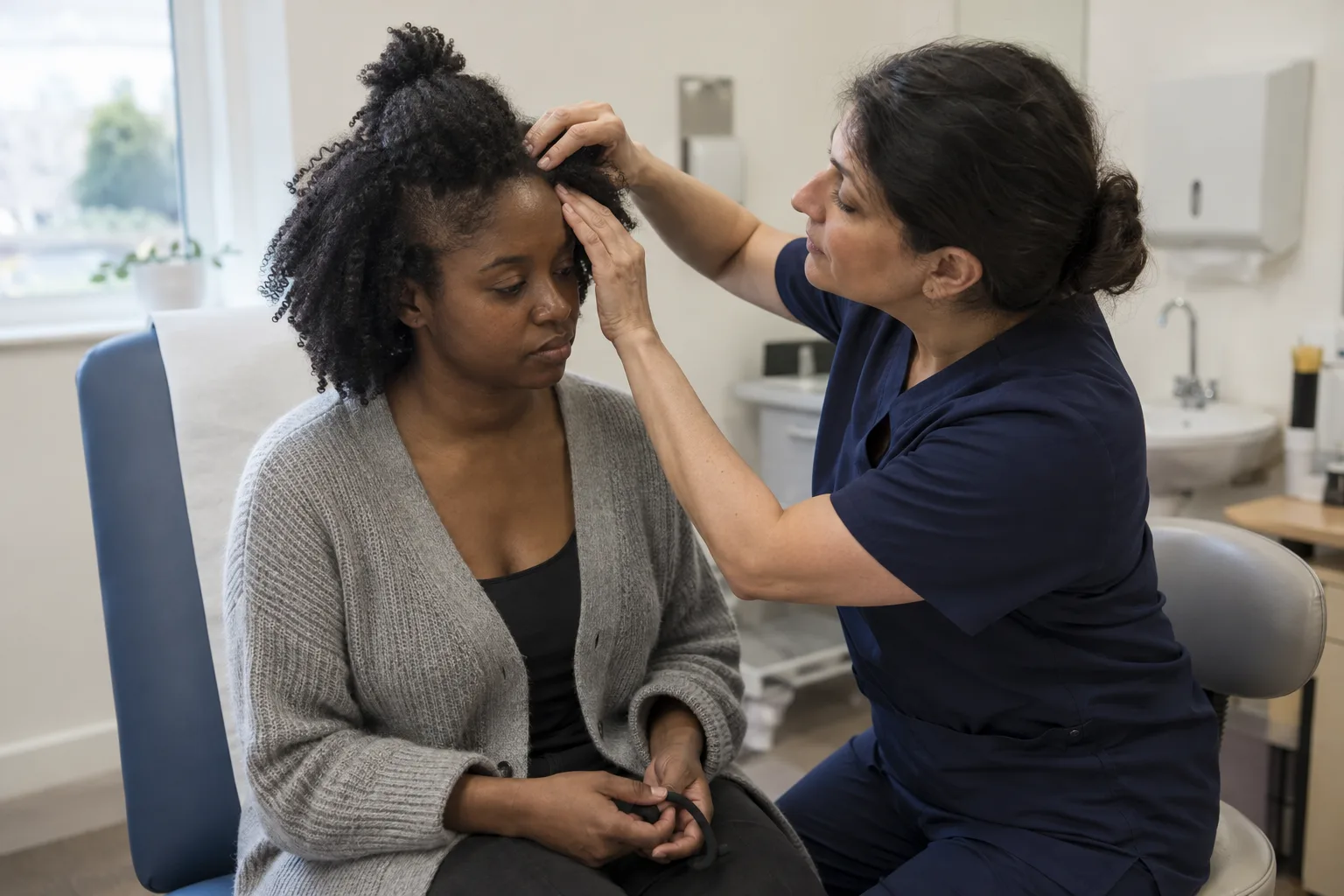
Diagnosing folliculitis decalvans relies on a careful scalp examination, often with a dermatoscope to inspect follicle openings. Doctors may take swabs, scrapings or plucked hairs to look for bacteria or fungi, because ringworm and other infections can look similar on first inspection.
Where uncertainty remains, a small scalp biopsy may be recommended to confirm scarring inflammation and rule out other cicatricial (scarring) alopecias. Local anaesthetic is used for the procedure, and a small scar may result after stitches are removed.
There is currently no cure. Treatment focuses on reducing inflammation, slowing spread and preventing further scarring. Because the condition is rare, there are no robust head‑to‑head trials showing one option is best, and plans are individualised by specialists.
Therapies used include medicated shampoos, antibacterial or anti‑inflammatory scalp solutions and topical corticosteroids. Oral antibiotics such as tetracyclines are commonly prescribed, with combinations like clindamycin and rifampicin used in some cases when bacterial involvement is suspected.
For more severe or relapsing disease, dermatologists may consider steroid injections into active areas, short courses of oral steroids during flares, or tablets such as isotretinoin, acitretin, hydroxychloroquine, dapsone or ciclosporin. Immune‑targeting medicines including adalimumab, infliximab, tofacitinib and baricitinib have been used in selected cases, alongside photodynamic therapy, but evidence remains limited.
Cosmetic options can help conceal hair loss while medical care continues. BAD notes NHS support for wigs and hairpieces via prescription vouchers, with patient contributions varying. People also use hair‑building fibres or pursue private scalp micropigmentation.
Hair transplantation is a surgical option only once the condition has been inactive for many years without treatment, due to the risk of renewed inflammation damaging transplanted follicles. Our guide to hair transplant recovery: risks and when to seek help explains key considerations and red flags after surgery.
The background
Folliculitis means inflammation of a hair follicle. Scalp folliculitis is relatively common and may be triggered by bacteria, yeasts, viruses or mechanical irritation, ubiehealth.com explains. Most mild folliculitis settles and hair regrows, but chronic deep forms such as folliculitis decalvans can scar, leading to permanent hair loss.
Symptoms vary. Some people report itch, tenderness or a tight feeling in the affected area, while others notice no discomfort. Yellow pus‑filled spots, crusts and scabs can appear around follicles, with soreness if pustules enlarge or combine. Tufted hairs and shiny scalp in bald patches are hallmarks of scarring disease.
Although classically a scalp disease, folliculitis decalvans can also affect the beard area and body sites with hair. BAD emphasises it is not a type of skin cancer, which can reassure people alarmed by persistent sores or bleeding.
Ubiehealth.com lists factors that can drive or worsen scalp folliculitis more broadly: bacterial overgrowth (often S. aureus), Malassezia yeast, exposure to wet environments, tight hairstyles, scratching and harsh chemical treatments. Heavy, occlusive styling products and sweat can add to the problem, and underlying conditions such as diabetes or a weakened immune system may raise risk.
In women, scalp folliculitis can overlap with other causes of thinning, including female pattern hair loss, seborrhoeic dermatitis and lichen planopilaris. Correct diagnosis is important because timing and treatment can influence the chance of regrowth in non‑scarring conditions. Our overview of alopecia types: causes, warning signs and what can help explains how clinicians separate these patterns.
Dermatologists generally advise prompt assessment for new painful bumps, spreading crusts or patchy shedding, because early anti‑inflammatory treatment can limit follicle damage. Swabs and, if needed, a biopsy can be helpful when scarring alopecia is suspected on examination.
Self‑care can support medical treatment. BAD suggests antiseptic or tar‑containing shampoos may reduce inflammation or bacterial load, avoiding scratching to prevent worsening, and monitoring for signs of flare. Ubiehealth.com recommends regular cleansing, not sharing combs, rinsing after swimming and avoiding heavy oils or gels that occlude the scalp.
Gentle handling of hair is sensible while the scalp is inflamed. People often find wide‑tooth combs and low‑tension styles reduce breakage and discomfort. If tight styles have contributed to irritation, avoid them; our guide to traction alopecia: spotting hair loss caused by tight styles outlines what to change and why.
For those unsure about the amount of daily shedding, our explainer on how much hair loss is normal — and when to worry covers usual ranges and the timing of stress‑related shedding, which can help separate temporary from scarring problems.
What people are saying
Dermatologists generally advise treating active folliculitis decalvans decisively to reduce pain and suppress inflammation, tailoring medicines to the person’s pattern, severity and co‑existing conditions. Because evidence is limited, regimens are often adjusted over time based on response and tolerance.
Scalp swabs or cultures can guide antibiotic choices when bacteria are found, while antifungals are considered if yeasts are implicated clinically. Where immune‑mediated inflammation dominates, clinicians may use anti‑inflammatory strategies such as topical or injected steroids and, in selected cases, immunomodulatory tablets.
Trichologists commonly stress the importance of scalp hygiene without over‑washing, avoiding occlusive products and minimising mechanical irritation from scratching or tight headwear. People with very oily scalps may benefit from more frequent gentle cleansing to reduce microbial overgrowth.
Specialists also discuss camouflage and psychological support early. NHS wig vouchers can reduce costs for some patients, and hair‑building fibres or scalp micropigmentation may improve confidence. If hair loss affects wellbeing, clinicians encourage seeking mental health support alongside dermatology care.
Transplant surgeons with experience in scarring alopecias urge caution. A long, proven period of disease inactivity is essential before surgery, and even then there remains a risk of reactivation. People considering surgery should understand graft survival can be compromised if inflammation returns.
Compared with other scarring conditions such as frontal fibrosing alopecia: receding hairline cause explained, folliculitis decalvans often presents with pustules and tufting rather than a smooth, band‑like recession. Recognising these differences can prompt earlier, more appropriate investigations.
What happens next
BAD notes that folliculitis decalvans often requires long‑term, sometimes repeated treatment, and it may eventually settle after years of activity. People are encouraged to seek medical review promptly if pain, redness, pustules or hair loss worsen, so that therapy can be adjusted.
Because robust clinical trials are scarce in this rare disease, dermatology teams will likely continue to use combinations of antibacterial, anti‑inflammatory and immunomodulatory approaches while gathering real‑world experience. Future research may clarify which strategies best prevent scarring and maintain remission.
At home, practical steps can reduce flare risks: avoid sharing brushes and hats, rinse after swimming, and limit heavy styling products that trap sweat and bacteria. While folliculitis decalvans itself is not contagious, addressing any S. aureus overgrowth helps reduce spread within households.
People exploring cosmetic options can speak to their GP or dermatologist about NHS wig support and reputable providers. Those interested in transplantation should be referred to surgeons familiar with scarring alopecias and counselled on timing, risks and realistic expectations.
For women with scalp folliculitis and diffuse thinning, clinicians may check for overlapping conditions that are treatable without scarring. Early evaluation improves the chance of preserving hair where follicles remain intact, and helps separate reversible shedding from permanent loss.
Why this matters
Scarring alopecias are often missed until patches enlarge, so recognising the signs of folliculitis decalvans matters if you want to protect remaining hair. If you notice tender bumps, crusting, tufted hairs or shiny bald skin, book a GP or dermatology appointment promptly. Early, tailored treatment can limit further damage and preserve coverage. Cosmetic support, including NHS wig vouchers, can help confidence while treatment continues. Our overview of alopecia types: causes, warning signs and what can help explains how specialists distinguish scarring from non‑scarring hair loss.
Common questions
- what is folliculitis decalvans
- It’s a rare, long‑term inflammation of hair follicles that often scars the scalp, causing permanent hair loss if untreated, according to British Association of Dermatologists.
- is folliculitis decalvans contagious
- No. The condition itself is not contagious, but Staphylococcus aureus bacteria associated with it can spread between people.
- does folliculitis decalvans cause permanent hair loss
- Yes. Once follicles are scarred and destroyed, hair cannot regrow. Treatment aims to calm inflammation and prevent further follicle loss.
- how is folliculitis decalvans diagnosed
- Dermatologists examine the scalp, may use a dermatoscope, and can take swabs or a small biopsy to distinguish it from other infections and scarring alopecias.
- what are the symptoms of folliculitis decalvans
- People may have scalp pain, itching, tightness, yellow pustules, crusts and scabs. Tufted hairs and shiny bald skin are common clues to scarring.
- how is folliculitis decalvans treated
- There’s no cure. Doctors use medicated shampoos, topical anti‑inflammatories or antibacterials, oral antibiotics, steroid injections and, in selected cases, immune‑targeting medicines.
- can women get folliculitis decalvans
- Yes. Although men are more often affected, women can develop it, usually in adulthood, and scalp folliculitis can overlap with other female hair loss causes.
- can i get a hair transplant after folliculitis decalvans
- Possibly, but only if the disease has been inactive for many years without treatment. Active inflammation can damage grafts and reduce transplant success.
Sources
- British Association of Dermatologists: Folliculitis decalvans
- ubiehealth.com: Scalp Folliculitis & Hair Loss in Women: Act Before It's Permanent | Ubie Doctor's Note
This article was written by Thicker Thinking using the sources listed above. It is for general information and is not medical advice. Speak to your GP, a dermatologist or a qualified trichologist about your own situation.