Camouflage and Styling
Laser hair removal: risks, results and what to expect
What laser hair removal feels like, who it suits, safety tips and how long results last.
By the Thicker Thinking Editorial Team
Published · 6 min read
Quick answerLaser hair removal reduces unwanted hair by heating the follicles, slowing regrowth. It needs multiple sessions and works best on darker hair; side effects are usually mild when done by an experienced clinician.
Laser hair removal has become a staple option for tackling unwanted hair on the face and body. It uses light energy to heat the follicles that produce hair, reducing how quickly they regrow and how coarse they return. Results build over several sessions and are designed to last longer than shaving or depilatory creams.
According to Mayo Clinic, it can be used on most body areas but should be avoided on the eyelids, eyebrows and nearby skin, and not used over tattoos because of safety risks. How well it works depends on your hair and skin, with darker hair typically responding best.
What happened
Mayo Clinic sets out that most people need between four and eight treatments spaced weeks apart, because not all follicles are active at the same time. Treated hairs usually shed over days to weeks after a session, rather than dropping out immediately.
The organisation also notes that results can last for months and sometimes years, but no method can guarantee that hair will never return. If it does, it often comes back finer and lighter, and some people choose occasional top‑up sessions to keep growth under control.
On side effects, Mayo Clinic reports that brief redness, mild swelling and temporary skin irritation are common after treatment and usually settle within hours. Less commonly, people can experience darker or lighter patches of skin, and, rarely, blistering, crusting, scarring or skin texture changes.
Skin tone matters for both safety and outcomes because lasers are attracted to pigment. Black and brown skin can be treated, but settings and device choice need to be tailored carefully. Mayo Clinic advises choosing a clinician experienced in treating a range of skin colours to help lower the risk of burns and longer‑lasting colour changes.
As for sensation, Acqua Blu Medical Spa describes the feeling during a pulse as brief heat with a quick snap; Mayo Clinic similarly notes “a quick snapping sensation.” Comfort varies by body area and skin type, and many professional systems use cooling tips, gels or sprays to make treatments more tolerable.
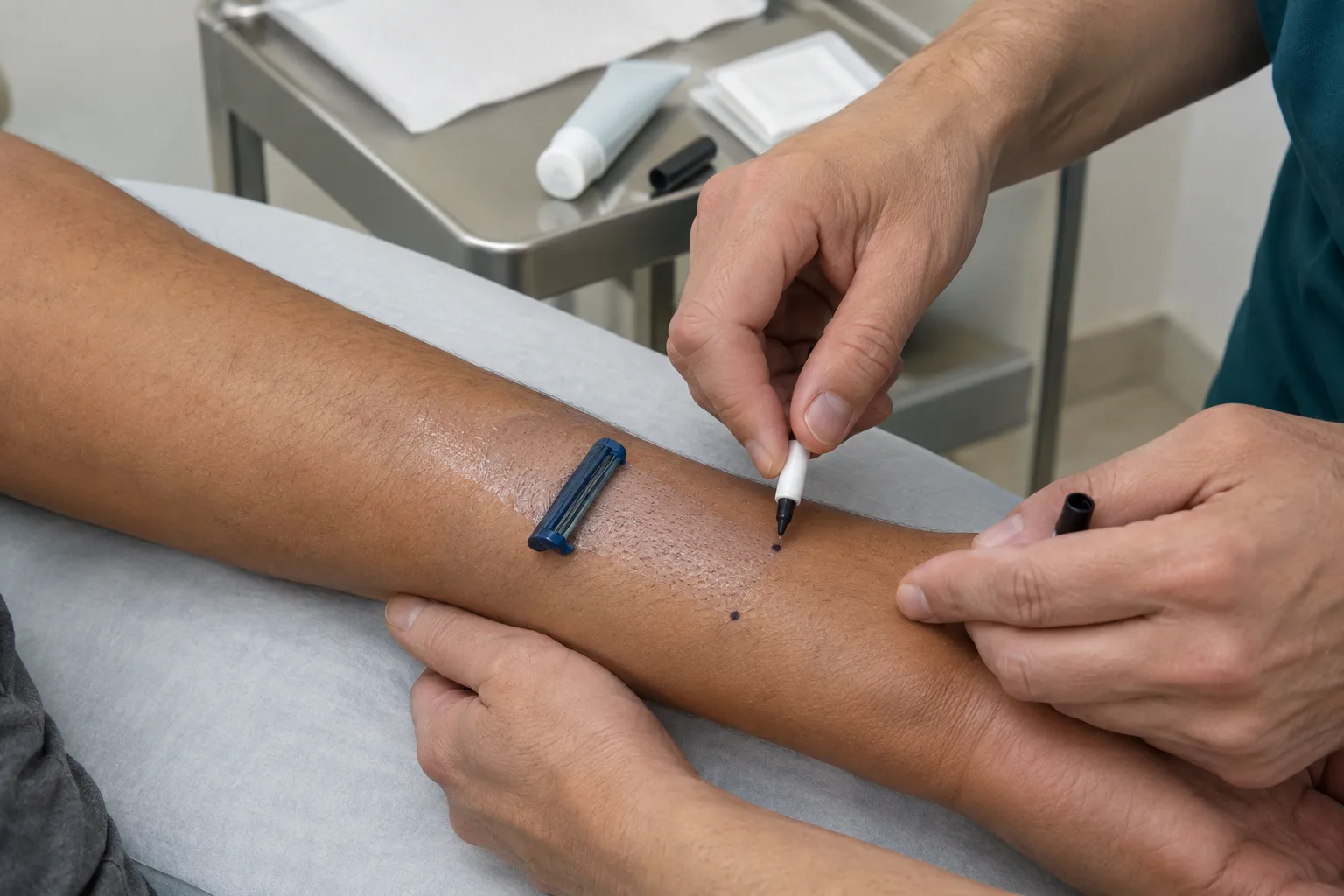
Preparation helps reduce side effects and improve results. Mayo Clinic advises avoiding sun exposure and tanning beds beforehand, steering clear of self‑tanning products, and using a broad‑spectrum SPF 30 or higher every day. Waxing, plucking and electrolysis should be paused for at least four weeks before treatment, while shaving the area the day before is typically recommended by clinicians.
After a session, simple measures such as applying a cold pack can ease discomfort. If there is a stronger reaction, Mayo Clinic notes that a healthcare professional may use a steroid cream. Sun protection remains important for around six weeks after treatment, or as your clinician advises, because tanned or irritated skin is more vulnerable to side effects.
The background
Laser hair removal works through selective heating of melanin, the pigment in hair shafts and follicles. When melanin absorbs the light, that energy becomes heat that injures the follicle, slowing its ability to produce a new thick hair. Because hairs cycle through growth and rest phases, repeat sessions are needed to catch follicles when they are most responsive.
Hair colour influences how well the light is absorbed. Dark brown and black hairs typically respond best. Blonde, white and grey hair contain less pigment, so fewer photons are captured, making outcomes less predictable. Red hair can also be challenging because its pigment absorbs these wavelengths less efficiently. For people noticing more white or silver strands, our guide to white hair causes and pigment changes explains what happens in the follicle.
Skin colour plays a role too. Because darker skin contains more melanin, care must be taken to deliver energy that targets the hair while protecting the surrounding skin. Dermatologists generally advise seeking a provider who routinely treats a wide range of skin tones, uses appropriate devices and settings, and carries out a careful assessment to reduce the risk of burns and post‑inflammatory hyperpigmentation.
Session length depends on the area. According to Acqua Blu Medical Spa, small zones like the upper lip can be treated in minutes, while a back can take considerably longer. Outcomes build cumulatively; many people see progressive thinning and slower regrowth across the course of a programme.
Unwanted hair can be driven by underlying hormonal or medical factors. Mayo Clinic notes that laser hair removal does not treat the cause of excess growth, so new hairs may still appear over time. If you have sudden or rapidly increasing hair growth, it is sensible to speak to a GP for assessment before investing in a cosmetic course.
Safety is a priority around the eyes. Because of the risk of serious injury, Mayo Clinic advises against treating eyelids, eyebrows or the surrounding skin. Tattooed skin should also be avoided. The American Academy of Dermatology’s public advice, highlighted by Acqua Blu Medical Spa, cautions that burns and lasting colour changes are more likely in inexperienced hands, underlining the value of medical oversight.
What people are saying
Clinicians typically start with a consultation to review your medical history, list of medicines, and expectations, and to outline risks and likely outcomes. Mayo Clinic also notes that photographs of treatment areas may be taken to compare progress over time.
Dermatologists generally advise checking credentials and experience, especially for darker skin tones, and being cautious about treatments offered in non‑medical settings without proper supervision. A test patch may be recommended to assess skin response and refine settings before treating larger areas.
Comfort measures are routine in professional clinics. Many devices incorporate cooling, and some clinicians apply a numbing cream to small, sensitive areas when appropriate. Acqua Blu Medical Spa points to FDA warnings that high‑strength over‑the‑counter numbing creams used over large areas, for prolonged periods or under occlusion can be dangerous, so these products should only be used as directed by a healthcare professional.
Between sessions, dermatologists commonly advise shaving rather than plucking or waxing, as removing the follicles mechanically can reduce the laser’s effectiveness. Protective eyewear during treatment is standard, and spacing sessions several weeks apart helps target more follicles in an active growth phase.
For people with richly pigmented skin or recent sun exposure, clinicians often emphasise strict sun avoidance and diligent sunscreen use before and after each session. This reduces the chance of pigmentation changes and helps keep skin calm between appointments.
What happens next
If you are considering laser hair removal to tidy facial hair or body hair that affects how you style your look, book a medical consultation first. Ask whether your hair colour, skin tone and growth pattern make you a good candidate, and what level of reduction is realistic for you.
Discuss your history of skin reactions, any tendency to develop dark marks after spots or injuries, how much time you spend in the sun, and any previous laser or light‑based treatments. Share details of all medicines and skincare you use, so your clinician can plan a safe approach.
It is reasonable to ask how your clinic protects skin during treatment, what they recommend for aftercare, and how they handle side effects if they occur. Clarify how many sessions are likely, how far apart they will be, and what maintenance might look like if you want to sustain results.
People with very light, grey or red hair should plan for more modest outcomes and may want to discuss alternative cosmetic approaches for specific areas. For styling confidence alongside hair reduction, you might also explore cut and colour options that complement your goals; our guide to best haircuts for fine grey hair to look thicker offers practical ideas.
If you have darker or tanned skin, expect your clinician to tailor device choice and settings carefully and to emphasise pre‑ and post‑procedure sun protection. Scheduling and skincare compliance make a real difference to both safety and visible results.
Costs vary by area and provider. Mayo Clinic notes that cosmetic laser hair removal is usually not covered by insurance, though some medically related cases may be. Ask for a written plan so you can budget across the full course rather than session by session.
Laser hair removal reduces hair growth for the long term but does not treat hair loss. If your concern is thinning rather than unwanted hair, see our overview of diagnosis and treatment options for hair loss and speak to a GP, dermatologist or trichologist for personalised advice.
Why this matters
Unwanted facial or body hair can be just as challenging for confidence as thinning on the scalp. Knowing how laser hair removal works, who benefits and how to reduce side effects helps people choose a safe, realistic plan. If hair growth has changed suddenly, or you’re unsure whether reduction or regrowth treatment suits you best, speak to a GP, dermatologist or trichologist for tailored guidance. For styling ideas alongside hair reduction, see our tips on haircuts that make fine grey hair look thicker.
Common questions
- does laser hair removal hurt
- It can sting briefly. Mayo Clinic describes “a quick snapping sensation,” and comfort varies by body area, skin tone and cooling during treatment.
- how many laser hair removal sessions do you need
- Most people need 4–8 sessions, spaced several weeks apart, to see clear reduction, according to Mayo Clinic.
- does laser hair removal work on grey or blonde hair
- Results are less predictable on blonde, white and grey hair because there is less pigment to absorb the light.
- can people with dark skin get laser hair removal
- Yes, when performed by experienced clinicians using suitable lasers and tailored settings to protect the skin.
- how long do laser hair removal results last
- Reduction often lasts months and sometimes years. If hair returns, it’s usually finer and lighter, and some people choose maintenance sessions.
- what are common side effects of laser hair removal
- Short‑lived redness, swelling and mild irritation are common. Less common effects include temporary colour changes; rare risks include burns or scarring.
- can you do laser hair removal on eyebrows or eyelids
- No. Mayo Clinic advises against treating eyelids, eyebrows or nearby skin due to the risk of serious eye injury.
- what should you do before laser hair removal
- Avoid sun and tanning products, use daily SPF 30+, stop waxing or plucking for four weeks, and shave the area the day before, as clinicians advise.
Sources
- Mayo Clinic: Laser hair removal - About - Mayo Clinic
- acquablumedicalspa.com: Does Laser Hair Removal Hurt? What It Feels Like | Acqua Blu Medical Spa
This article was written by Thicker Thinking using the sources listed above. It is for general information and is not medical advice. Speak to your GP, a dermatologist or a qualified trichologist about your own situation.