Camouflage and Styling
Best root-lifting spray for fine hair: what experts recommend
Stylists and a cosmetic chemist point to root‑lifting sprays as the go‑to for fine hair volume, with clear ingredient clues to shop by.
By the Thicker Thinking Editorial Team
Published · Updated · 6 min read
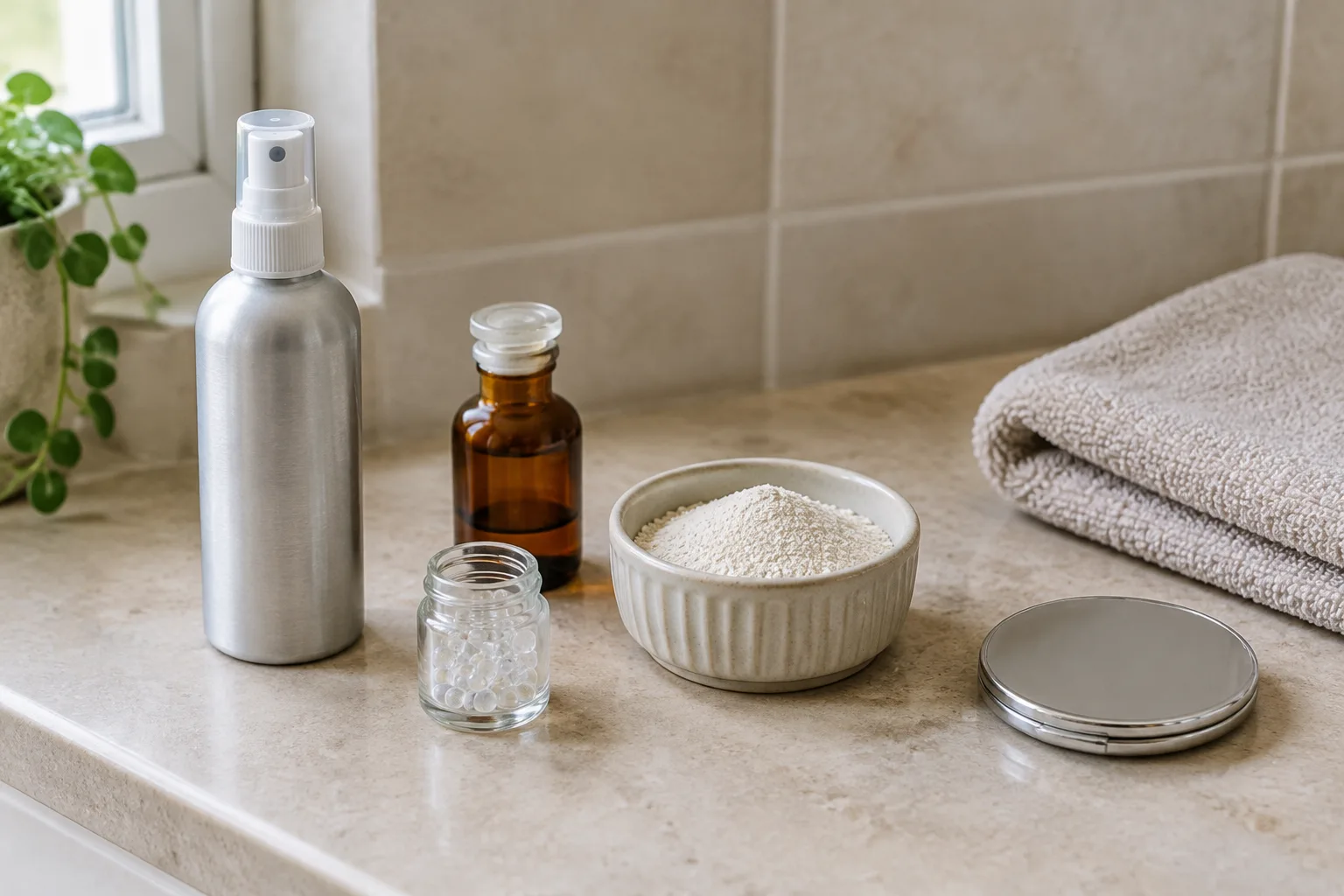
Quick answerStylists and a cosmetic chemist say root‑lifting sprays are the standout styling product for fine hair because polymers lift hair at the roots and add structure. Look for PVP, polyquaternium-11 and panthenol, and apply sparingly to avoid build-up.
Root‑lifting sprays are being singled out as the most effective styling pick for fine hair volume, with both stylists and a cosmetic chemist highlighting lightweight polymers that lift strands at the roots, according to Women’s Health UK and today.com.
These sprays work by coating individual hairs to create structure without heavy residue, helping fine hair hold shape, while remaining a cosmetic solution rather than a treatment for hair loss.
What happened
Women’s Health UK asked stylists and a cosmetic chemist which single product makes the biggest difference to fine hair, and they pointed to root‑lifting sprays for reliable height at the crown and along the parting.
Experts quoted by Women’s Health UK explained that fine hair refers to strand diameter, while thin hair describes density; the distinction matters because volume products address how each fibre behaves, not how many there are.
They also outlined simple at‑home checks to understand your hair type, such as feeling an individual strand between fingers or noting how easily you feel scalp through the hair, to separate “fine” from “thin”.
The same report described how root‑lifters typically rely on film‑forming polymers, including polyvinylpyrrolidone (PVP) and polyquaternium-11, which create a flexible coating that props hair away from the head.
It added that resins can boost hold and increase friction between strands, keeping them separated so volume lasts longer without collapsing.
Panthenol, a B‑vitamin derivative, was highlighted as a useful additive because it can temporarily swell the hair shaft slightly, making fibres look fuller.
Stylists also suggested looking for strengthening or oil‑absorbing extras, naming creatine, collagen, keratin, starches such as rice starch and hydrolysed proteins to help reduce root greasiness that often flattens fine hair.
Application guidance from the same experts emphasised damp hair, targeted root placement and light, even coverage, with “less is more” to prevent residue making hair appear greasy.
Separately, today.com’s shopping guide listed styling categories that can make hair appear thicker — including root‑sprays, mousses and fibres — noting these products work by coating strands or caring for the scalp rather than changing inherent hair texture.
The background
Fine hair feels light because its cortex — the protein‑rich middle of each strand — is smaller in diameter, so strands may bend and collapse more readily under their own weight or natural oils.
When fine hair sits close to the scalp, sebum can spread more quickly through lengths, which is why many people with fine hair notice a flatter silhouette by late afternoon.
Film‑forming polymers like PVP and polyquaterniums are long, repeating molecules that dry into a thin, flexible layer around each fibre, increasing the effective diameter without adding much weight.
That layer also increases friction between neighbouring hairs, so strands separate slightly and resist clumping, creating visible lift along the part and at the crown.
Resins further stiffen the style’s architecture, but heavy or sticky formulas can overwhelm fine strands, so many people prefer lighter sprays to mousses or gels for root work.
Panthenol can bind water within the cuticle for a temporary plumping effect, while hydrolysed proteins and starches can mop up excess oil near the roots, both supporting longer‑lasting lift.
These mechanisms are cosmetic; they do not stimulate follicles or halt medical hair loss. People who notice widening parts, decreased density or rapid shedding should consider clinical assessment in parallel with styling.
Dermatologists generally advise treating any scalp inflammation first, because irritated or flaky skin can worsen hair fragility and reduce tolerance to styling resins and fragrances.
Knowing whether reduced volume is due to fibre calibre, density, breakage or increased shedding helps you choose the right approach; our guide to diffuse hair loss: causes and tests explains what clinicians look for.
Everyday habits also influence how fine hair looks and behaves; over‑brushing, tight ponytails and repeated backcombing can cause breakage that thins the ends, making hair appear even flatter at the roots.
If you rely on heat tools to set root lift, use the lowest effective temperature and avoid dragging brushes through damp, elastic hair to reduce mechanical stress; see our explainer on what makes hair grow faster — and what causes breakage.
For people with textured or coily hair, volume at the root often depends on keeping the cuticle smooth while avoiding heavy oils at the scalp; our feature on Black hair care practices and hair loss covers protective techniques and common pitfalls.
What people are saying
One stylist told Women’s Health UK they “always use a root lifter” on fine hair because it reliably moves hair away from the scalp.
Cosmetic chemist insights shared with Women’s Health UK stress checking labels for polymer names such as PVP and polyquaternium-11 when shopping for a root‑lifting spray.
Stylists cited by Women’s Health UK also noted panthenol as a plus and suggested lighter, oil‑absorbing ingredients — like rice starch — for people whose fine hair gets oily quickly.
today.com’s panel placed root‑sprays alongside mousses, fibres and serums in thickening line‑ups, advising readers that each format works differently and may suit different hair behaviours.
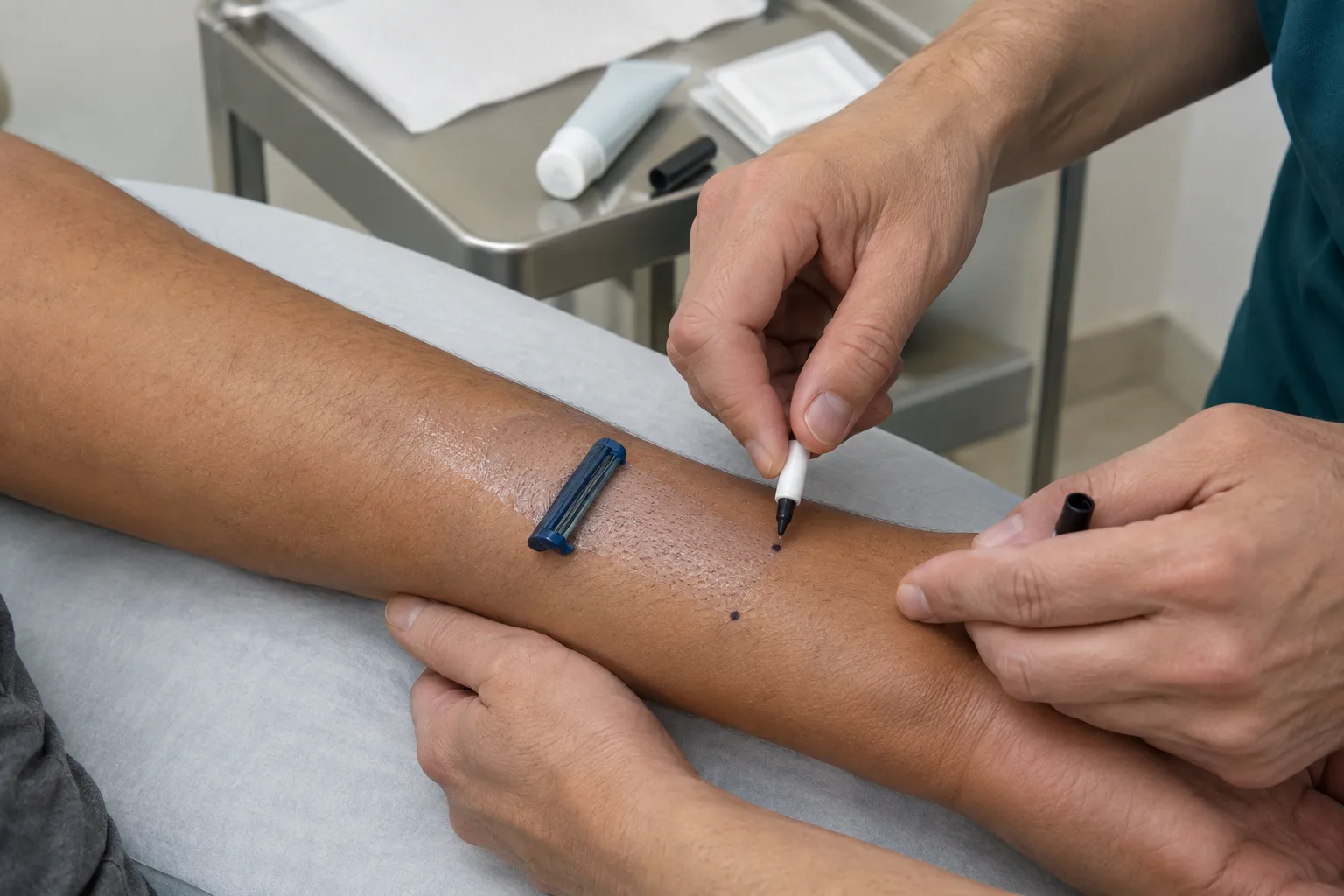
Dermatologists generally advise patch‑testing new styling products on a small area of scalp or skin first, particularly if you are prone to dermatitis or have a history of fragrance sensitivity.
They also caution that alcohol‑heavy sprays and frequent heat‑setting can increase dryness in some hair types, so balancing volumising days with gentle, low‑manipulation styles helps preserve fibre integrity.
If you experience stinging, itch, flaking or tender bumps after introducing a new spray, pausing use and speaking to a GP or dermatologist can prevent minor irritation from escalating into a longer‑term scalp problem.
For people seeking the look of density on visibly sparse areas, hair fibres and part‑concealers can complement a root‑lifting spray; our piece on Catherine Zeta‑Jones’ ‘twilights’ to cover grey hair explains how colour placement and optical tricks enhance fullness.
Routine choices also matter; gentle detangling and sensible brushing frequency can minimise shedding during styling, as covered in how often should you brush your hair.
What happens next
If you want a single product to try for fine‑hair lift, both Women’s Health UK and today.com point to root‑lifting sprays as a strong first step, with polymers and panthenol as useful signposts on ingredient lists.
Plan a short trial with one formula at a time so you can judge how lift, residue and hold behave on your hair, and consider photographing your parting and crown for before‑and‑after comparison in consistent lighting.
If your hair is fine but dense, a light polymer spray may be enough; if it is fine and oily, a formula with starches may sustain lift for longer by absorbing sebum.
Curly and coily hair often benefits from root‑sprays that won’t disrupt curl pattern; look for flexible hold claims and avoid heavy, occlusive oils at the scalp if volume is your goal.
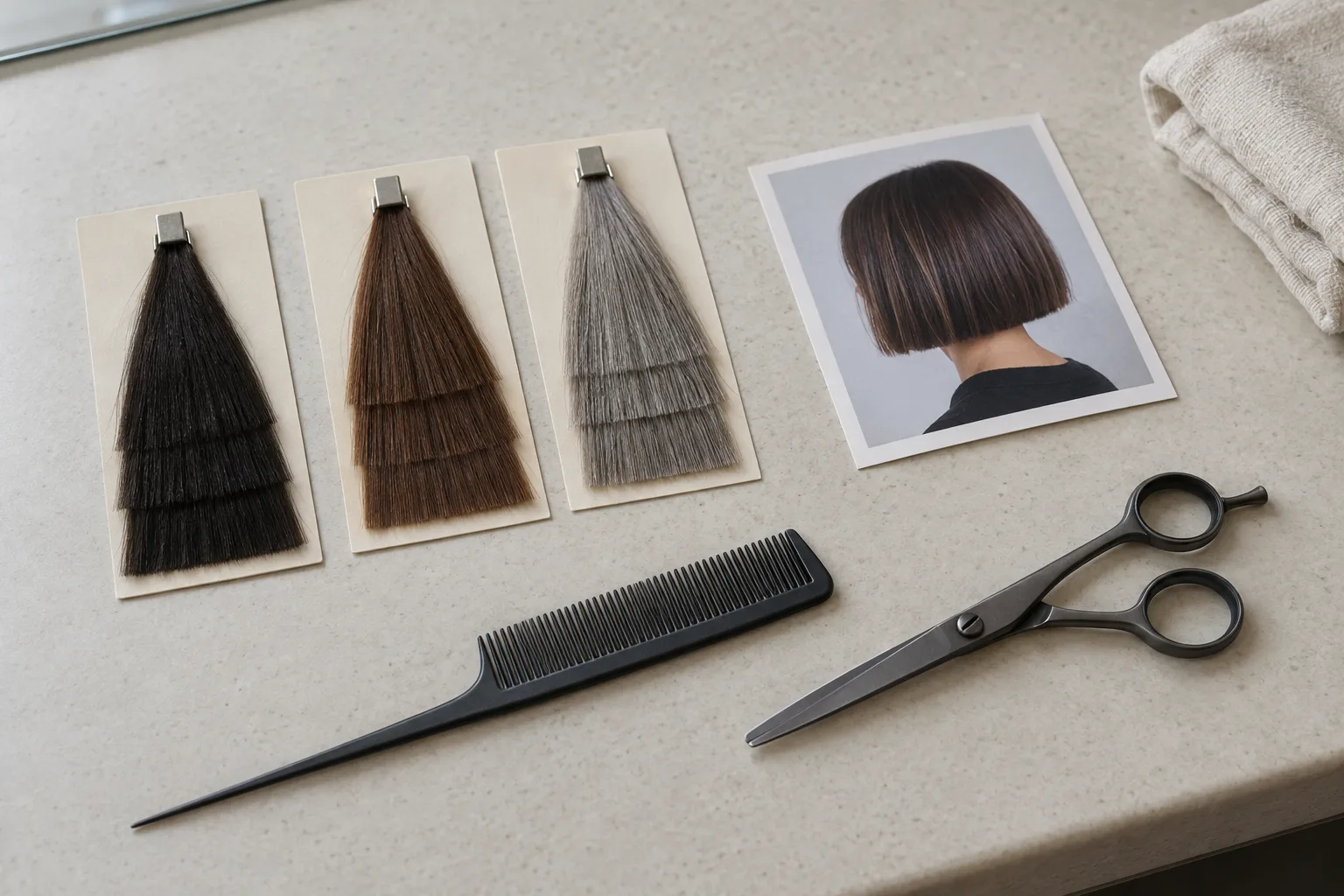
A strategic haircut can amplify any product’s effect; subtle layering, face‑framing movement or a blunt baseline can change how hair sits, as explored in our guide to the best haircuts for fine grey hair to look thicker.
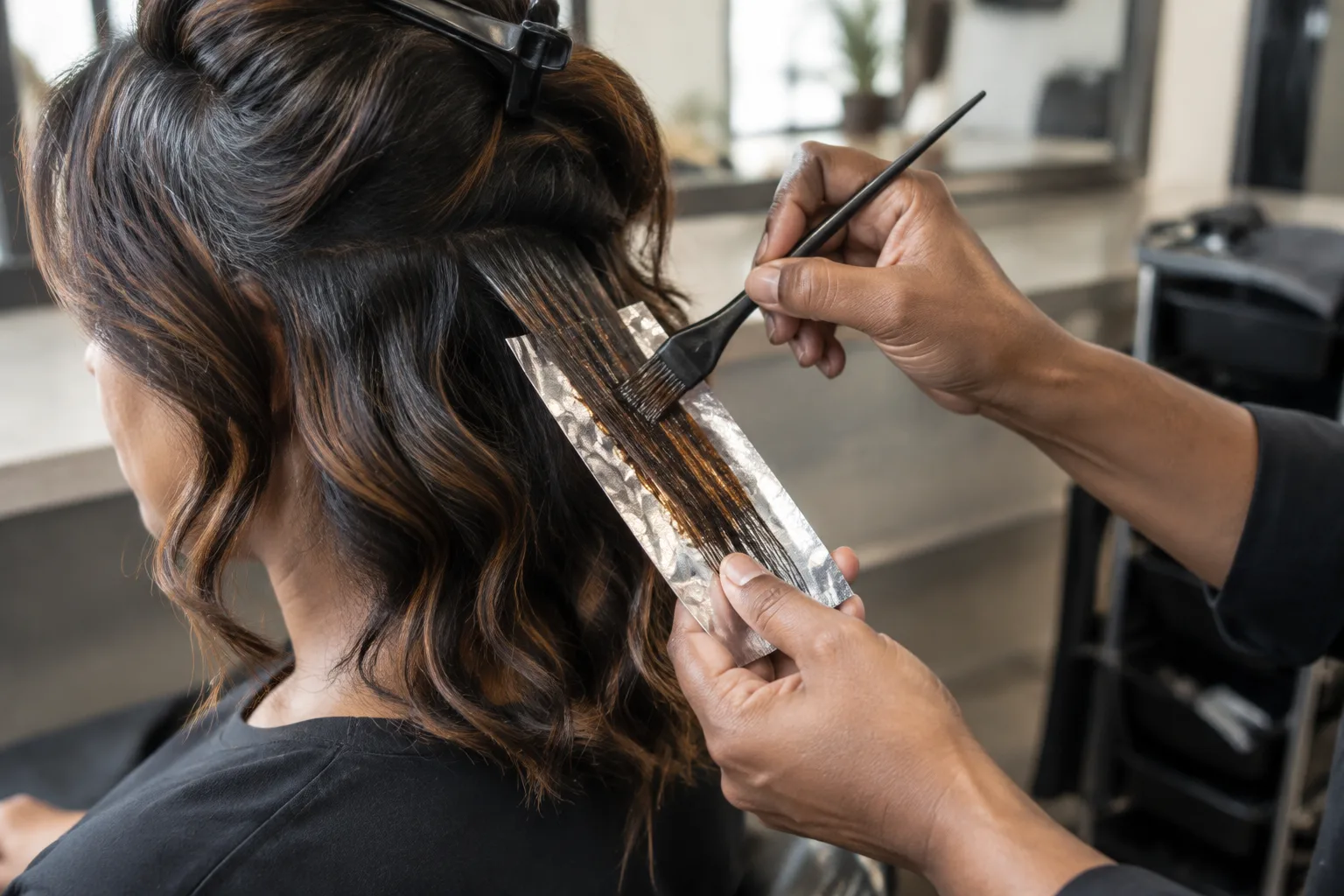
Colour placement can also create dimension at the root and along the part without heavy styling, so discuss low‑maintenance options with your colourist if daily heat styling is not practical.
Remember that styling does not address underlying conditions; if you notice progressive widening of the part, increased scalp visibility or significant shedding over weeks to months, seek assessment alongside any cosmetic strategies.
If a clinician diagnoses a medical cause, you can combine treatment with camouflage; evidence‑based options for pattern hair loss and alopecia are outlined in our round‑up of the best hair loss treatments in 2026.
For many, a light root‑spray becomes a low‑effort step on wash days, delivering lift with minimal manipulation; fine‑tuning the amount and placement helps avoid build‑up and keeps the scalp comfortable over time.
Related: Laser hair removal: risks, results and what to expect
Related: Haircuts for thin hair: five cuts that make hair look fuller
Why this matters
Root‑lifting sprays are a practical, low‑commitment way to create the look of fuller hair while you explore longer‑term options. They can help confidence day‑to‑day without affecting scalp health when used sensibly. If you notice sudden shedding, scalp symptoms or density changes, speak to a GP, dermatologist or trichologist for diagnosis and tailored care. Persistent shedding beyond a few months, new bald patches, or itching and soreness are good reasons to book an appointment. For more on red flags and next steps, see our guide to scalp conditions that cause hair loss.
Common questions
- what is the best product to add volume to fine hair
- Root‑lifting sprays are the top pick from stylists and a cosmetic chemist, according to Women’s Health UK and today.com. They lift strands at the roots using lightweight polymers.
- how do root lifting sprays work on fine hair
- They deposit film‑forming polymers, such as PVP or polyquaternium‑11, that create a flexible coating around each strand, increasing separation and lift at the roots.
- what ingredients should i look for in a root lifting spray
- Look for polymers like PVP and polyquaternium‑11, plus panthenol. Starches and hydrolysed proteins can help absorb oil and support lasting root lift.
- do root lifting sprays actually thicken hair
- They do not change hair growth or diameter permanently. They create the appearance of thickness by coating strands and lifting hair away from the scalp.
- are root lifting sprays safe if my hair is thinning
- Generally, yes when used sensibly. Avoid over‑application and stop if you notice irritation. Persistent thinning or scalp symptoms should be assessed by a clinician.
- how should i use a root lifting spray for best results
- Experts suggest applying lightly at the roots on damp hair and avoiding heavy saturation to reduce residue. Adjust amount and placement based on your hair’s response.
- are mousses or fibres better than root spray for fine hair
- It depends on your goals. today.com lists root‑sprays, mousses and fibres as options; sprays target root lift, mousses add all‑over body, fibres conceal visible scalp.
- what’s the difference between fine hair and thin hair
- Fine hair has a small strand diameter. Thin hair refers to lower density. Root‑sprays can help fine hair look fuller, but density changes may need clinical advice.
Sources
- Women's Health UK: The best root-lifting spray for fine hair, according to experts
- today.com: The Best Hair Thickening Products in 2026 for Growth and Volume
This article was written by Thicker Thinking using the sources listed above. It is for general information and is not medical advice. Speak to your GP, a dermatologist or a qualified trichologist about your own situation.