Camouflage and Styling
Filtered showerhead and hair loss: what tests and experts say
Independent testing highlights small, variable benefits for hair feel and frizz in hard‑water areas, with limited evidence for reducing shedding.
By the Thicker Thinking Editorial Team
Published · Updated · 6 min read
Quick answerFiltered showerheads can make hair feel softer and less frizzy in hard‑water areas, but they have not been proven to reduce medical hair loss. Limited testing shows mixed cosmetic gains; speak to a clinician if shedding is heavy or patchy.
Filtered showerheads promise to tackle hard‑water minerals and chlorine before they reach hair and skin. According to Women’s Health UK and nbcnews.com, recent hands‑on testing found modest improvements in hair feel for some users, with mixed results on frizz and no clear change in shedding.
NBC Select named Jolie its best overall filtered model after multi‑year comparative testing, while a Women’s Health UK reviewer trialled the Jolie at home for around 12 weeks. The reviewer sometimes noticed sleeker hair but reported no consistent reduction in hair fall.
What happened
NBC Select reports that its team has been testing multiple filtered showerheads from several brands over almost three years, focusing on how well they reduce chlorine, metals and sediments in household water. Jolie was highlighted as the top overall pick in an update published in March 2026.
A Women’s Health UK writer in London installed the Jolie and used it four to five times a week for about three months. They described occasional improvements in smoothness and manageability, but said shedding looked unchanged in the shower and during the day.
The reviewer found the Jolie better suited to a fixed rain‑shower setup than a conventional handheld hose. They reported the head felt heavy in a standard cradle and could be awkward to position securely.
Water pressure felt slightly weaker with the filter attached, the reviewer noted, which may matter for those who prefer a stronger spray or rely on pressure to rinse thick conditioners thoroughly.
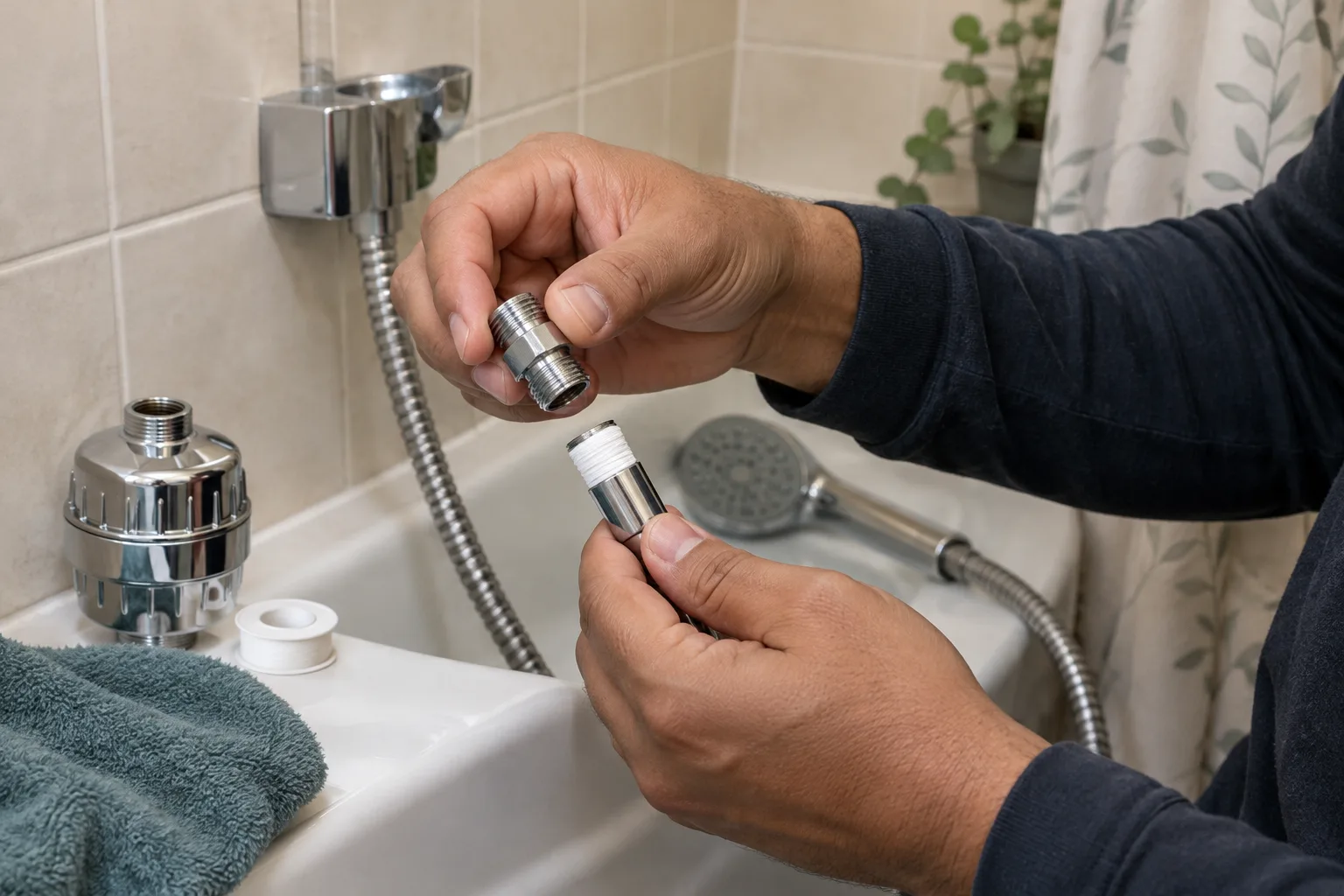
Installation required extra parts for the reviewer’s bathroom. They sourced a 1/2‑inch male‑to‑male adapter to connect the Jolie collar to their existing hose, adding time and cost before use.
Jolie markets its unit as filtering chlorine, heavy metals, minerals and scale. The brand’s website highlights user‑reported outcomes: 81% saw less shedding and 40% reported less frizz, and 65% saw skin pH normalise after six weeks. These are not peer‑reviewed clinical findings.
NBC Select interviewed Doug Anderson, an engineering lead at a water‑treatment company, who said shower water can contain “impurities like chlorine, heavy metals and sediments,” which may aggravate dry hair or sensitive skin.
The Women’s Health UK reviewer paid around £127 for the Jolie, and commented on the product’s premium finish. They also noted that brand materials suggest potential benefits for eczema and psoriasis, though the reviewer did not see changes in their own skin.
The background
Many UK regions have hard water with higher calcium and magnesium. Mineral deposits can leave hair feeling rough and increase frizz by raising the hair cuticle, but they do not cause genetic hair loss.
Chlorine, used to disinfect mains water, can strip natural oils from hair and scalp. This dryness can worsen the feel of brittle hair and make breakage more likely, especially in already damaged or colour‑treated hair.
Dermatologists generally distinguish shedding from breakage. Shedding involves whole hairs with a bulb at the end; breakage snaps the shaft. Reducing mineral build‑up might limit breakage for some people, but it will not treat underlying follicle conditions.
There is limited independent clinical evidence that filtered showerheads reduce hair shedding. Available figures cited by Jolie come from user feedback, not controlled trials, so results should be interpreted cautiously.
If shedding seems heavy or prolonged, clinical assessment is important. Guidance on what counts as typical daily loss and when to act is outlined in our explainer on how much hair loss is normal — and when to worry.
For people in hard‑water areas, occasional chelating or clarifying shampoos can help remove mineral residues. Dermatologists generally advise following with a conditioner to protect the cuticle, especially if hair is fine, curly or chemically processed.
Stylists often report that hard water can cause colour fade and brassiness by depositing minerals on the fibre. Filters may support colour retention indirectly by reducing deposits, but gentle colouring habits also matter, as we outline in safer colouring when hair is thinning.
Simple styling adjustments can also reduce frizz and fibre stress: blotting with a microfibre towel, minimising heat, and using a leave‑in conditioner. Our guide to curly hair winter care and practical ways to reduce frizz covers everyday techniques that help regardless of water type.
Shower filters are not treatments for alopecia. For pattern hair loss or patchy autoimmune loss, evidence‑based options exist; see our overview of diagnosis and treatment options to understand typical medical pathways.
What people are saying
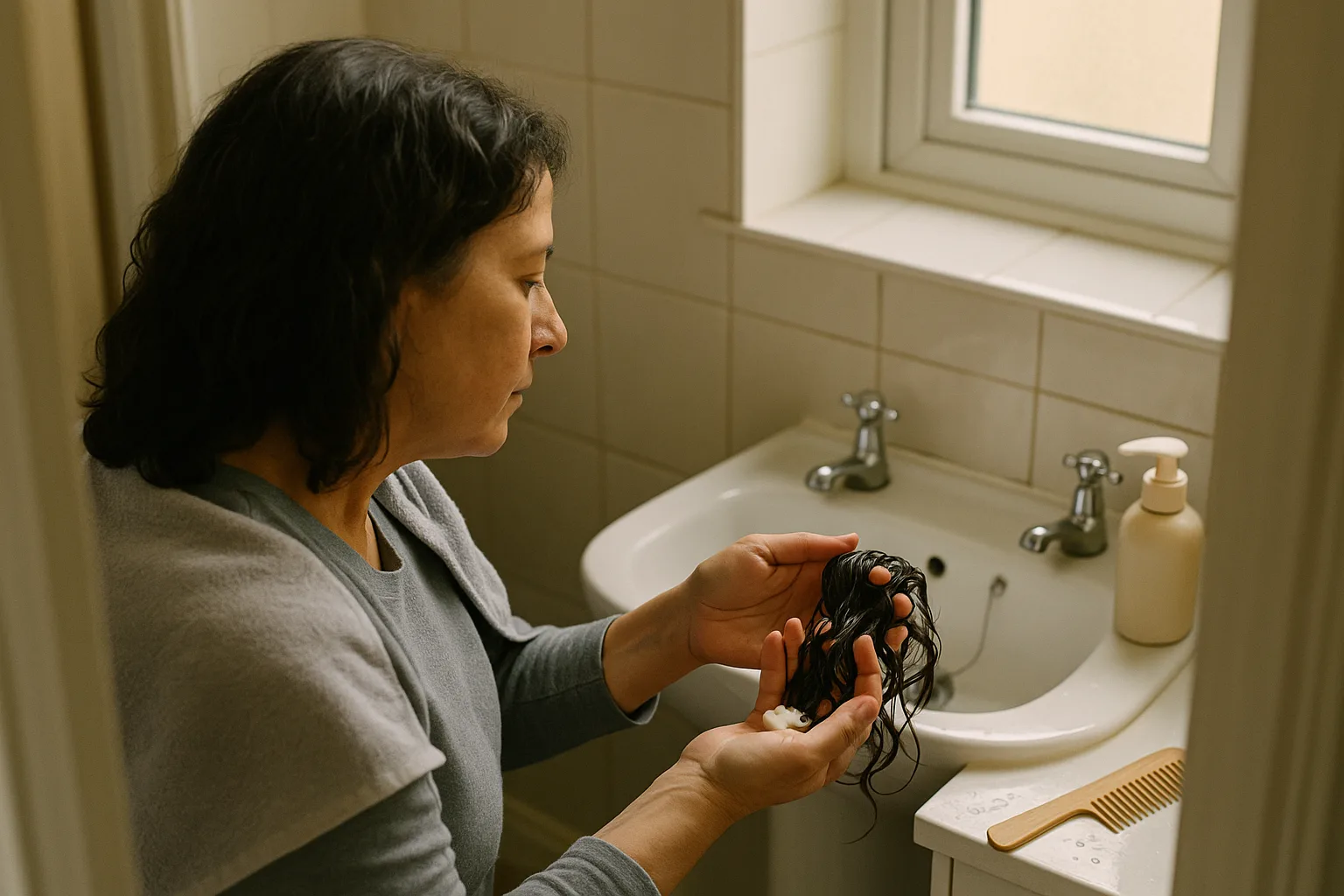
The Women’s Health UK tester described smoother, less frizzy hair after some washes, but the effect was inconsistent, and they continued to see the same level of shedding.
They also reported practical drawbacks: added installation steps, a heavy head that suited a rain‑shower arm more than a handheld holder, and a slightly softer flow compared with their previous setup.
Jolie’s website highlights user‑reported benefits across hair and skin, including less frizz and less shedding, and a majority seeing skin pH normalise after six weeks. These figures come from customer feedback rather than clinical trials.
NBC Select’s team has compared multiple brands and formats, including handheld designs, and emphasises that filters are designed to reduce chlorine, metals and sediments before water reaches hair and skin. Their ongoing testing places Jolie as a leading pick in the current market.
Dermatologists generally advise that filters can be helpful for comfort in hard‑water areas or for sensitive scalps, but they do not reverse genetic hair loss or scarring conditions. People with eczema or psoriasis should seek tailored medical care.
Trichologists often remind clients that consistent filter maintenance is essential. Cartridges need timely replacement to maintain performance, and ignoring schedules can reduce any cosmetic benefits and may affect flow.
Colourists sometimes recommend filters to clients in hard‑water postcodes to help preserve tone between salon visits. However, good aftercare, sun protection and gentle washing routines remain key to colour longevity.
What happens next
As filters become more common, expect broader choice across fixed and handheld formats. Before buying, check your bathroom’s compatibility, especially thread size and whether you have a rain‑shower arm or a handheld hose.
If you try a filter, set modest expectations. Track changes in hair feel and frizz over six to eight weeks, and note whether tangles, roughness or static improve after washes.
Consider a simple shedding log for two to three weeks to understand your baseline. A sudden increase, visible widening at the parting or patchy loss warrants advice from a GP, dermatologist or trichologist.
Budget for cartridge replacements and possible changes to water pressure. If strong flow matters to your routine, look for models designed to preserve pressure or consider a handheld option.
Household water softeners can reduce hardness building‑wide, but they involve higher upfront costs and plumbing work. Filters offer a lower‑commitment, shower‑specific approach that may suit renters and flat‑dwellers.
People with established hair loss should prioritise proven treatments and scalp health measures. Filters can sit alongside these as a comfort and styling aid rather than a primary intervention.
We will continue to follow independent tests and any peer‑reviewed studies on water quality and hair fibre effects. For now, filters look most useful for cosmetic feel and frizz control in hard‑water areas, with variable outcomes between users.
Why this matters
Hard water is common across UK cities and can make hair feel rough, frizzy and harder to manage. Filtered showerheads may help some people with cosmetic feel, but they are not hair loss treatments. If shedding is heavy, patchy or prolonged, speak to a GP, dermatologist or trichologist. For underlying causes and proven options, see our overview of hair loss diagnosis and treatment pathways.
Common questions
- do filtered showerheads help with hair loss
- They can improve hair feel and reduce frizz in hard‑water areas, but they have not been proven to treat medical hair loss. Seek clinical advice if shedding is persistent.
- can hard water make hair frizzy
- Yes. Minerals can raise the hair cuticle, leaving hair rougher and frizz‑prone. This affects the fibre’s feel rather than the follicles driving genetic hair loss.
- what do filtered showerheads remove
- According to NBC Select, filters are designed to reduce chlorine, certain metals and sediments before water reaches hair and skin, potentially easing dryness and irritation.
- did the jolie filtered showerhead reduce shedding in tests
- A Women’s Health UK reviewer saw no change in shedding after about 12 weeks, though they sometimes noticed smoother, easier‑to‑manage hair.
- what results does jolie report from users
- Jolie cites user feedback showing 81% saw less shedding, 40% less frizz, and 65% had skin pH normalise after six weeks. These are not clinical trial data.
- will a filtered showerhead lower water pressure
- It can. The Women’s Health UK reviewer noted slightly weaker pressure with the filter attached. Pressure changes vary by model and bathroom setup.
- is a filtered showerhead easy to install
- It depends on your setup. The Women’s Health UK tester needed a 1/2‑inch male‑to‑male adapter for a handheld hose. Fixed rain‑shower arms tend to be simpler.
- can a shower filter help eczema or psoriasis
- Some people find gentler water more comfortable, but filters are not treatments for skin disease. Seek personalised advice from a GP or dermatologist.
Sources
- Women's Health UK: Jolie Showerhead review: does the filtered showerhead work?
- nbcnews.com: Best Filtered Shower Heads of 2026, Tested & Reviewed | NBC Select
This article was written by Thicker Thinking using the sources listed above. It is for general information and is not medical advice. Speak to your GP, a dermatologist or a qualified trichologist about your own situation.