Camouflage and Styling
Haircuts for thin hair: five cuts that make hair look fuller
UK stylists outline five volume‑boosting cuts and how to style them.
By the Thicker Thinking Editorial Team
Published · 5 min read
Quick answerStylists recommend a ’70s shag, blunt bob, layered bixie, face‑framing layers or a full fringe to create the look of more density. Keep ends substantial, avoid over‑texturising, and use lightweight products with gentle heat.
Stylists in the UK are highlighting five haircuts that can make thin hair look instantly fuller, focusing on shape and weight rather than maximal volume, according to Women’s Health UK and harpersbazaar.com.
They distinguish thin hair (lower density on the scalp) from fine hair (smaller strand diameter), noting this difference changes how cuts are built and which styling techniques work best, the publications report.
What happened
According to Women’s Health UK and harpersbazaar.com, hairstylists outlined approaches that keep bulk where it matters, especially at the ends and through the outline, to stop perimeters looking see‑through.
They also advised against removing too much weight with layering or texturising on already sparse areas, because this can emphasise thinness around the sides and crown.
Stylists told the publications that the front hairline often reads as the most fragile area in thin hair, so shorter, cleverly placed layers there can add width and a thicker look.
They recommended a blunter, weightier shape through the front to reduce the risk of a transparent crown and to create a more solid silhouette.
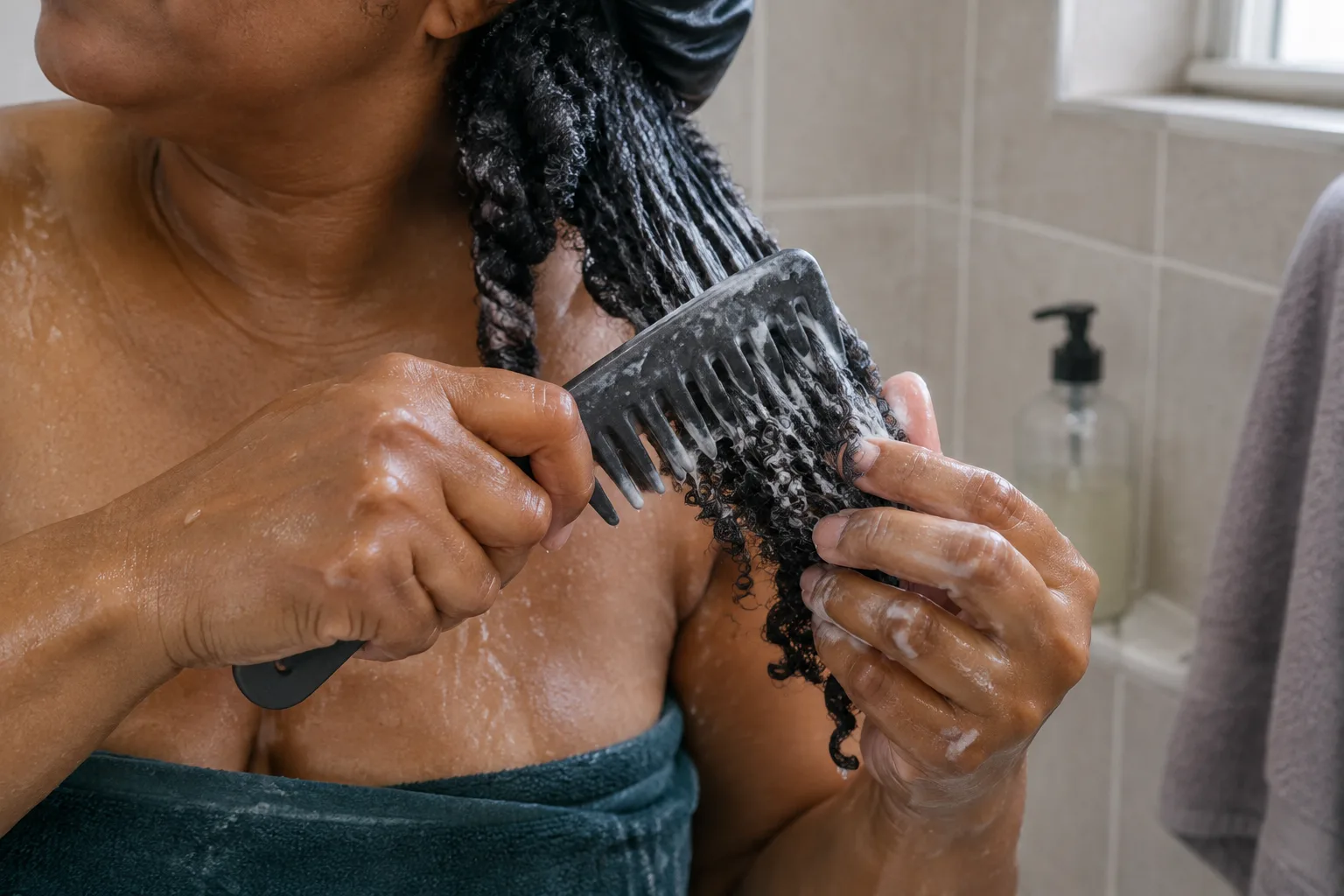
For curly and coily textures, they emphasised low‑tension cutting and styling, using layers to balance shape and build fullness without pulling on the scalp.
The ’70s shag
A modern shag relies on movement and softness rather than heavy styling, with careful, conservative layering to maintain strength through lengths and ends, the stylists advised.
They added that a soft, sweeping fringe can complement the shape, so long as hair is not over‑removed from the sides to create it.
The blunt bob
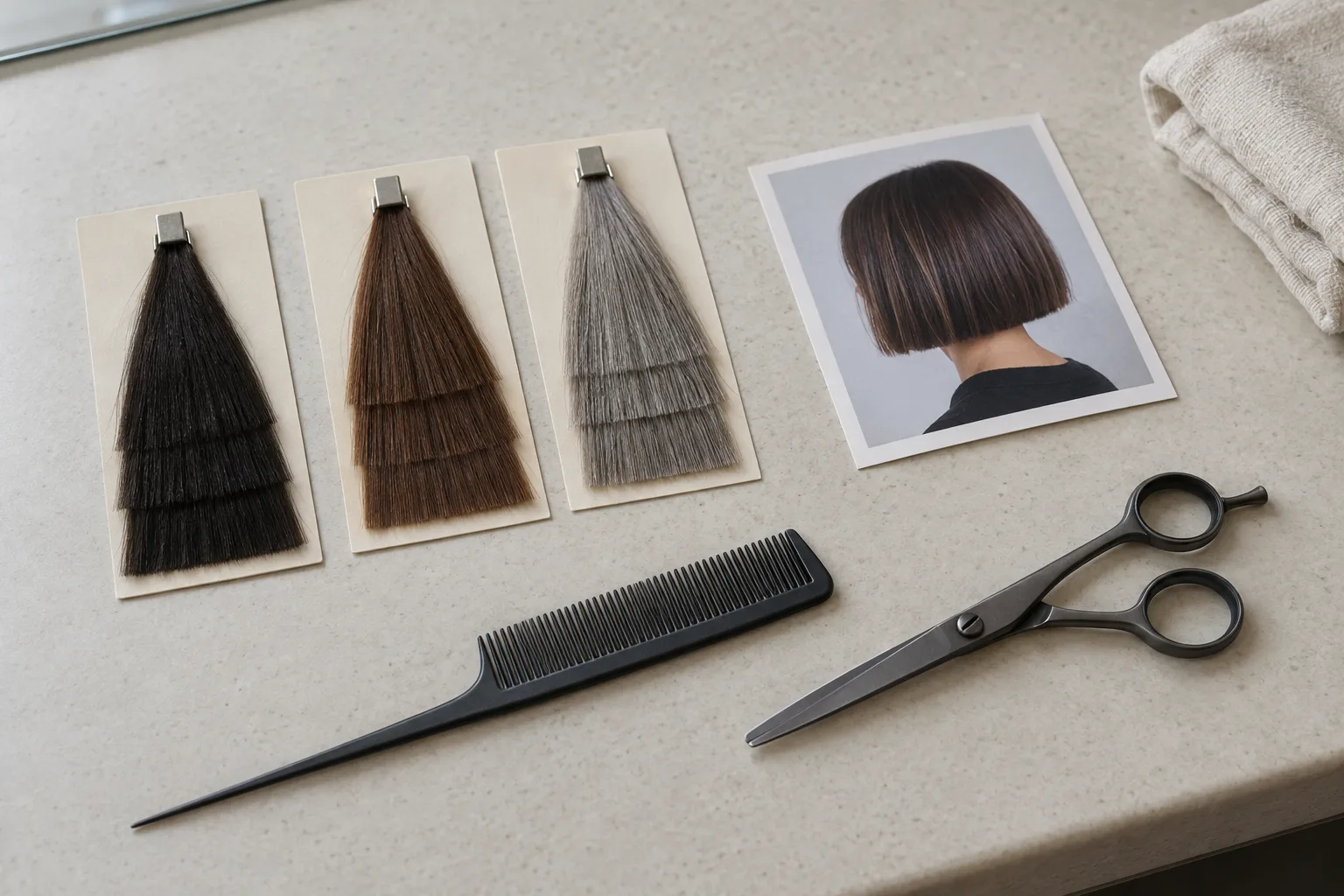
A blunt bob adds immediate weight at the ends, creating the impression of density through a clean, square perimeter, the experts told the magazines.
They suggested prioritising fullness over excessive movement here, so the baseline stays solid instead of airy or tapered.
The layered bixie
Shorter cuts, including pixie‑bob “bixie” hybrids, can look thicker with soft internal layers for lift on top and blunt edges for structure, according to the stylists.
They stressed that subtle internal texture should not come at the expense of bulk at the outline or around the temples.
Face‑framing layers
Gentle, face‑framing layers can energise straighter styles while a blunt, squared perimeter preserves density at the ends, the stylists said.
They recommended tailoring the front pieces to the wearer’s hairline strength so that thinner zones gain visual support rather than losing weight.
Full fringe options
A full or curtain fringe can draw attention towards the front and away from areas where thinning feels more obvious, the experts advised.
They added that keeping the fringe feathery rather than wispy helps add texture without emptying the sides.
The background
Thin hair is common and may reflect natural density, genetics or periods of shedding linked to hormonal changes or illness, according to Women’s Health UK and harpersbazaar.com.
Harpersbazaar.com notes that ongoing shedding can warrant medical checks, with thyroid and iron tests often considered to rule out common, treatable drivers of thinning.
Dermatologists generally advise that haircuts can only change the illusion of density, not the number of follicles, but well‑judged shapes can make day‑to‑day styling far easier and kinder to fragile hair.
They also warn that tight styles can strain the hairline and risk traction damage; gentle, low‑tension routines are especially important around the temples and nape in all hair types.
For readers who prefer to avoid tension while seeking lift at the roots, our guide to expert‑picked root‑lifting sprays for fine hair outlines options stylists commonly use to create airy volume.
Dermatology guidance on low‑tension techniques in textured hair is summarised in our feature on Black hair care practices and hair loss, which explains how to protect edges and maintain scalp comfort.
People with finer grey hair often report that blunt baselines and structured shapes help it look thicker; we explore practical ideas in the best haircuts for fine grey hair to look thicker.
Everyday handling matters too: gentle brushing and minimal tugging reduce breakage and preserve movement; see our explainer on how often to brush your hair for simple routines.
What people are saying
According to Women’s Health UK and harpersbazaar.com, Adam Reed emphasised keeping a strong outline and substantial ends so the perimeter does not appear depleted.
Scott Ade suggested prioritising weight below the crown and using shorter front layers to add width where hairlines can be weaker, the publications report.
Samantha Cusick highlighted scalp‑friendly choices for curls and coils, recommending low‑tension styles and layers that add movement while preserving weight where it is most needed.
On what to avoid, the stylists cautioned against excessive texturising and over‑layering on already sparse areas because that can leave ends looking finer.
They agreed that heavy products can collapse movement in thin hair, so lightweight formulas and considered techniques are preferred for body and lift.
Ade recommended applying a volumising mist at the roots and rough‑drying while lifting the hair, using medium heat and power to keep texture lively.
Cusick suggested setting the crown in Velcro rollers while hair cools to help lock in lift that lasts beyond the blow‑dry, according to the coverage.
“Less is often more when it comes to thin hair,” said Samantha Cusick via harpersbazaar.com.
What happens next
If you are considering a change, stylists generally advise booking a consultation to discuss your hair’s natural fall, hairline strength and how much time you want to spend styling each day.
Bringing reference photos for a shag, blunt bob, bixie, face‑framing layers or a full fringe can help your stylist tailor shape and weight to your density and texture.
Ask about how the cut will grow out, how often reshaping is likely to be needed, and which lightweight products can support lift without weighing strands down.
If you prefer to amplify volume without heat, talk about root‑lift techniques, such as roller setting at the crown, and choose brushes and tools that minimise tension on the hairline.
For non‑cut camouflage, consider gentle options like volumising sprays or light hair fibres used sparingly; these can complement a strategic cut for special occasions.
If shedding is persistent, your parting is widening, or you notice patchy loss, it is worth speaking to a GP, dermatologist or trichologist for assessment and tailored guidance.
For those managing thin hair alongside greying, asking for a crisp baseline and structured fringe may support a thicker look between appointments, as many stylists report.
Finally, protect scalp and strand health with moderate heat, low tension and simple routines that avoid over‑washing or product overload, which can flatten movement and shine.
Why this matters
Smart cutting and gentle styling can make thin hair look fuller without harsh techniques, helping many people feel more comfortable day to day. If shedding continues, your part widens or the scalp becomes visible, ask a GP, dermatologist or trichologist to check common causes. For practical support with volume, see our guide to expert‑picked root‑lifting sprays for fine hair.
Common questions
- what are the best haircuts for thin hair
- Stylists point to the ’70s shag, blunt bob, layered bixie, face‑framing layers and a full fringe, according to Women’s Health UK and harpersbazaar.com.
- what is the difference between fine hair and thin hair
- Fine hair describes smaller strand diameter. Thin hair means fewer strands per area of scalp. You can have fine but dense hair, or thick strands with low density.
- do layers make thin hair look thicker
- Selective, gentle layers can add movement and width at the front, but over‑layering removes weight and makes ends look finer, stylists told the publications.
- should you get a fringe if you have thin hair
- A full or curtain fringe can draw attention forward and help camouflage thinner zones, provided it stays feathery and does not deplete the sides.
- how do you style thin hair for volume
- Use lightweight products, lift roots while rough‑drying on medium heat, and set the crown in Velcro rollers to lock in lift as hair cools.
- what should you avoid with thin hair
- Avoid heavy products, excessive texturising and too much layering, which can create wispy ends and a see‑through perimeter, stylists advise.
- can thin hair mean a health issue
- It can be normal, but persistent shedding merits checks. Harpersbazaar.com notes thyroid and iron tests are often considered to rule out common causes.
- are short cuts better for thin hair
- Shorter shapes like a bixie can look thicker by combining blunt edges with soft internal layers, while keeping bulk at the outline.
Sources
- Women's Health UK: The 5 haircuts that can make thin hair look instantly fuller – from shags to ‘bixies’
- harpersbazaar.com: 5 haircuts to make thin hair appear fuller and thicker, from the '70s shag to the layered 'bixie'
This article was written by Thicker Thinking using the sources listed above. It is for general information and is not medical advice. Speak to your GP, a dermatologist or a qualified trichologist about your own situation.