Camouflage and Styling
Catherine Zeta‑Jones debuts ‘twilights’ to cover grey hair
The actor’s ultra‑dark, multi‑tonal lowlights spotlight a grey‑blending option for brunettes.
By the Thicker Thinking Editorial Team
Published · Updated · 5 min read
Quick answer‘Twilights’ are dark brunette lowlights placed to add depth and warmth, helping blend greys without flat colour. Colourists say multi‑tonal lowlights can look glossy and modern for midlife brunettes.
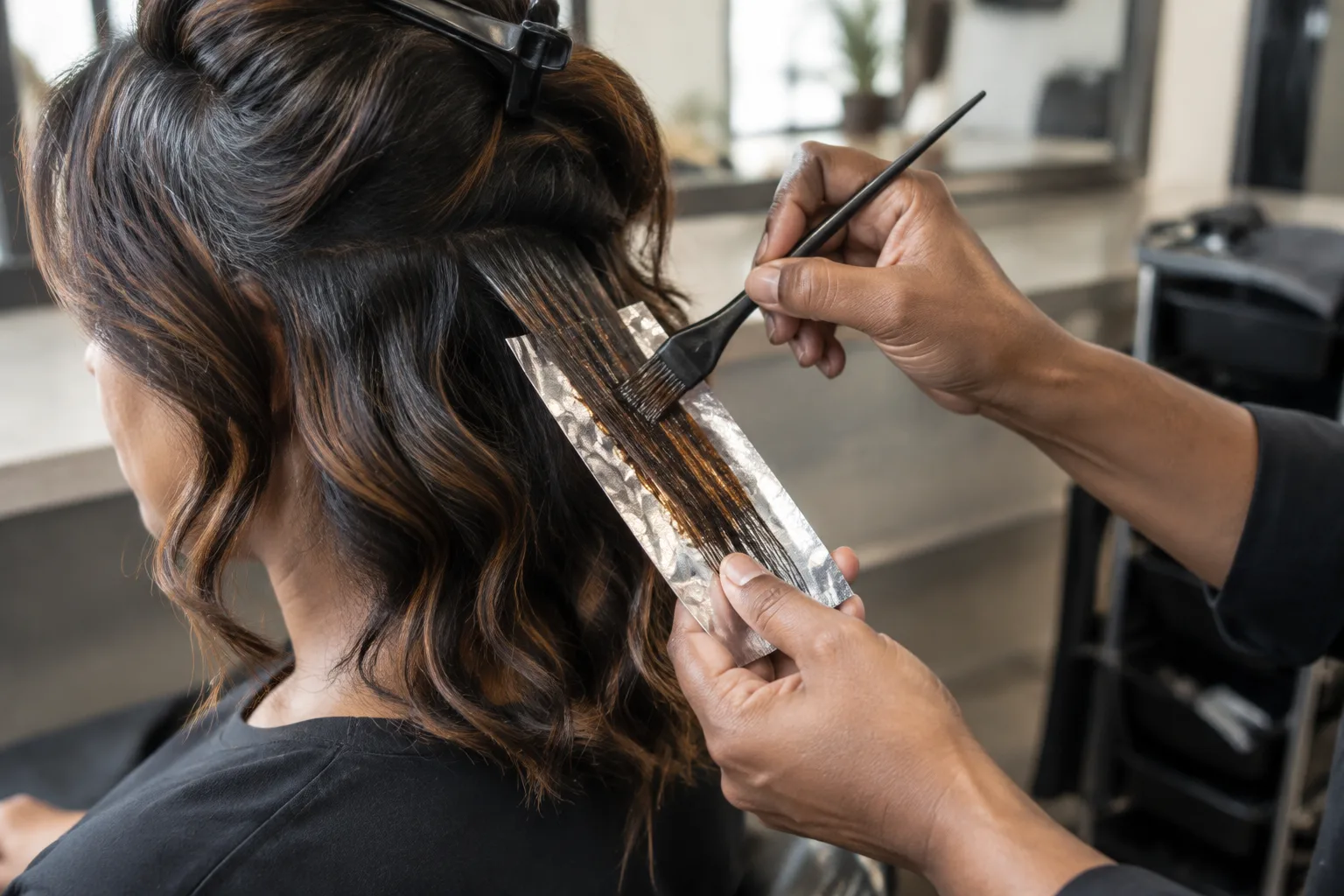
Catherine Zeta‑Jones has showcased an ultra‑dark, multi‑tonal brunette colour described as ‘twilights’ — lowlights placed to add depth and shine — at a Netflix event in Hollywood, according to Women’s Health UK. The look swaps lifted highlights for strategically deeper tones that help blend greys without a flat finish.
The approach is pitched as a grey‑camouflage option for brunettes who prefer depth over brightness. By weaving richer tones through the mid‑lengths and keeping roots dimensional, colourists aim to soften silver strands while maintaining movement and gloss.
What happened
Women’s Health UK reports the actor’s hair featured deep, vampy brunette shades threaded with warmer notes through the lengths, with darker segments near the root to avoid a one‑tone block. This balance creates a glossy surface that reflects light rather than absorbing it.
OSMO ambassador and colourist Jake Nugent praised the placement, saying it lets you “go darker without losing dimension.” He highlighted the modern feel of combining warmer undertones with richer lowlights, which keeps the colour from appearing heavy.
The result sits firmly in gothic‑glam territory, aligning with her Wednesday persona, but the technique itself is practical: lowlights can help blur grey regrowth and reduce the high‑contrast lines that lighter highlights sometimes create on very dark bases.
Women’s Health UK also notes she has previously shown her natural greys before choosing to colour again. That underlines a simple truth: embracing grey or blending it is personal, and both paths are valid.
The background
Lowlights deposit darker pigment; highlights lift pigment to create brightness. For brunettes with a high contrast between natural depth and silver strands, lowlights can soften the visual jump, particularly around the parting and hairline.
Because lowlights add shadows rather than lift, regrowth can read softer on dark hair. That may mean fewer obvious demarcation lines than with bright highlights, though the ideal interval still depends on how fast hair grows and how the colour is placed.
Multi‑tonality — using more than one complementary shade — helps keep darker colours lively. Warm threads like chestnut or amber can add reflectivity, which is important because very flat dark dyes can make hair look dense but dull under indoor lighting.
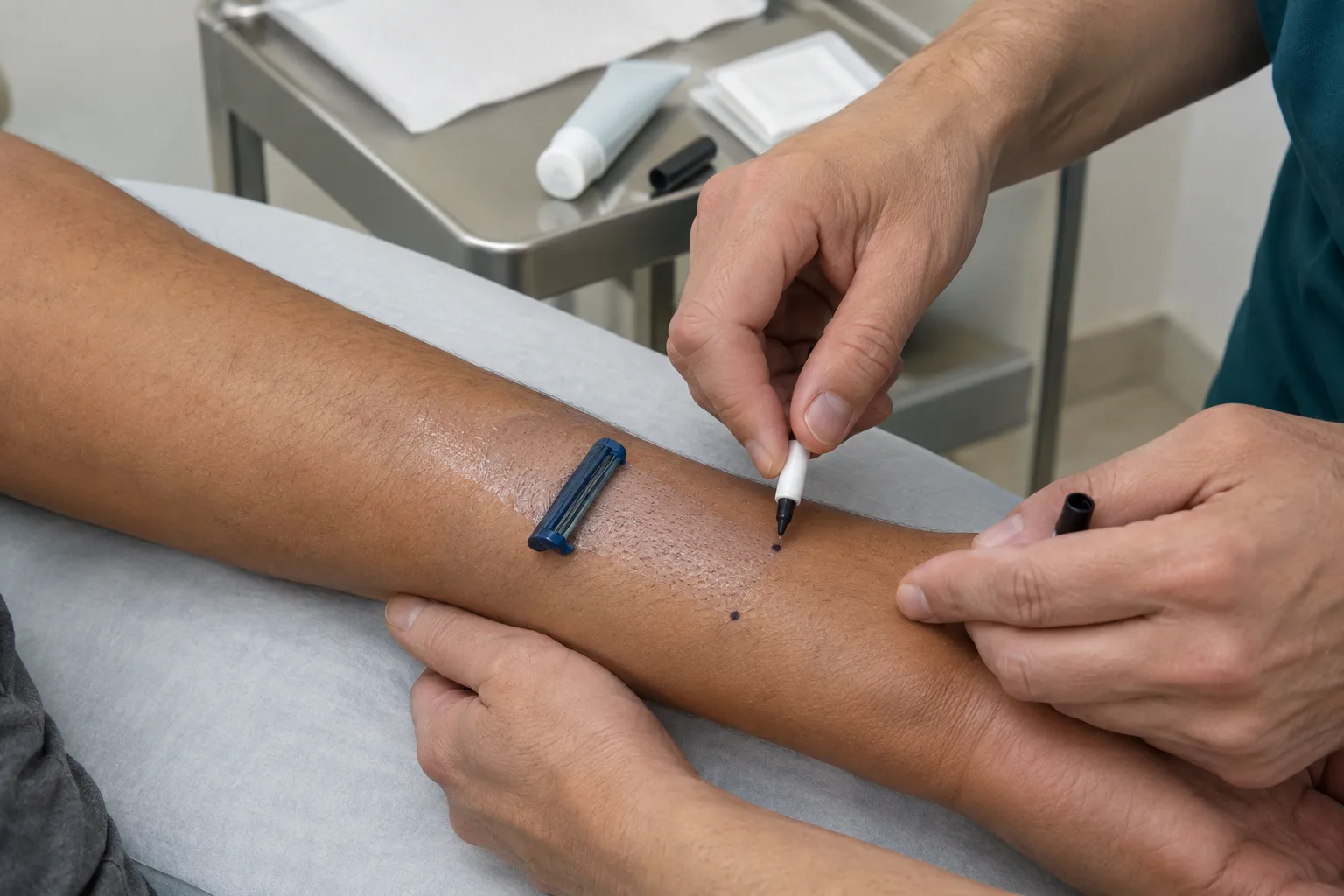
For hair and scalp health, dermatologists generally advise patch testing any permanent or demi‑permanent dye to check for allergy, especially where paraphenylenediamine (PPD) is used. Sensitive scalps may prefer gentler formulas, and a consultation is sensible if you have eczema, psoriasis or a history of reactions.
Trichologists often caution against repeatedly overlapping permanent dye on the same lengths, as that can increase dryness and breakage over time. Concentrating permanent colour at the roots with gentler glosses or toners on mid‑lengths is a common way to preserve condition.
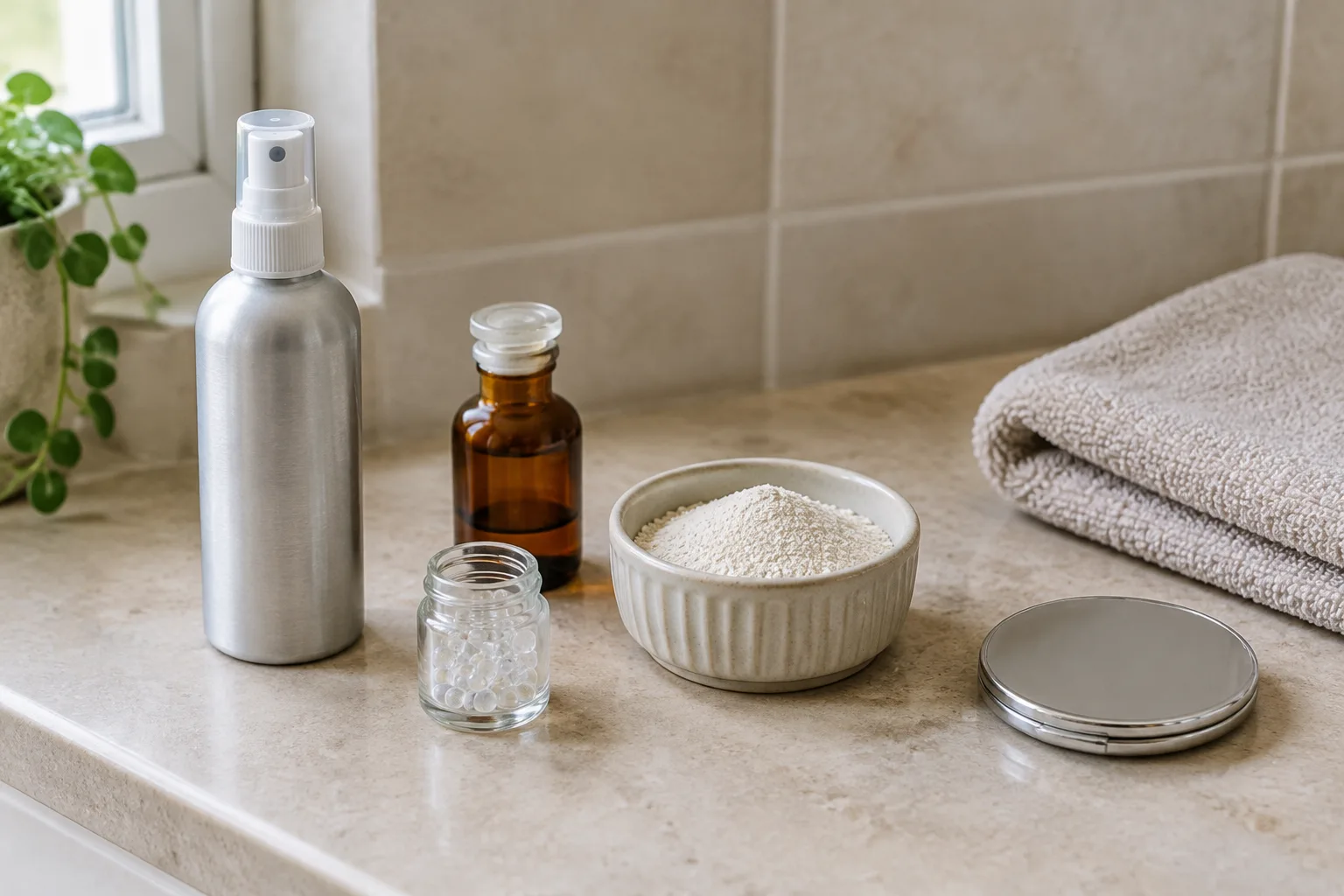
Darker shades can, in some cases, make a visible scalp at the parting look more pronounced by boosting contrast. Simple styling shifts — a zig‑zag or slightly offset part — and cosmetic options like hair fibres can diffuse that effect. A cut that enhances lift can also help; see our guide to the best haircuts for fine grey hair to look thicker.
Hair texture changes with age and grey growth, often becoming drier or coarser. Hydrating care, gentle detangling and avoiding excessive tension from tight styles can reduce breakage; our explainer on how often you should brush your hair covers practical handling tips.
Placement differs by curl pattern and density. On curly and coily hair, colour is typically mapped to where curls catch the light rather than in straight slices. Our report on Black hair care practices and hair loss outlines why low‑tension styling and spacing chemical processes matters for scalp comfort.
Hard water can fade colour faster and leave hair feeling rough. While a shower filter will not treat hair loss, some people find it helps reduce mineral buildup that dulls shine; we reviewed tests and expert views in our piece on filtered showerheads and hair loss.
Heat can accelerate colour fade and dryness. Using lower temperatures and reserving hot tools for fewer passes can help preserve both tone and fibre strength. Our guide on what makes hair grow faster — and what causes breakage explains why mechanical and heat damage show up as frizz and snapped ends.
What people are saying
Nugent’s take, reported by Women’s Health UK, centres on tone choice and placement: deeper lowlights, warm glimmers through the mid‑lengths and slightly darker roots to avoid a painted‑on look. In practice, that means discussing undertones and contrast at consultation rather than only “how dark.”
Colourists widely note that shine is crucial with dark palettes. Lowlights that are too ashy on brunettes can look matte; adding a soft warm note often boosts reflectivity and complements many skin undertones, especially as complexions change with age.
Dermatologists generally stress that colouring does not stop greying; it camouflages it. Greying is driven largely by genetics and age, and dyeing should be viewed as a cosmetic choice. If new shedding, scalp inflammation or sudden diffuse thinning appear, a GP or dermatologist should assess underlying causes.
Trichologists also flag that dye‑related hair loss is usually from breakage or traction, not permanent follicle damage. Minimising tight hairstyles during and after chemical services, and nourishing lengths between appointments, can reduce the risk of snapped strands.
For at‑home upkeep between salon visits, Nugent suggested a colour‑refreshing conditioning mask to revive richness and gloss, mentioning OSMO Colour Revive in Mushroom or Chestnut. Colour‑depositing masks are widely used to top up tone without committing to a full service.
What happens next
Expect to see ‘twilights’ appear on more salon menus this season as a brunette‑first alternative to bright face‑framing. It suits those who want to blend greys while keeping depth, and those who prefer warmer, glossy tones over summery lift.
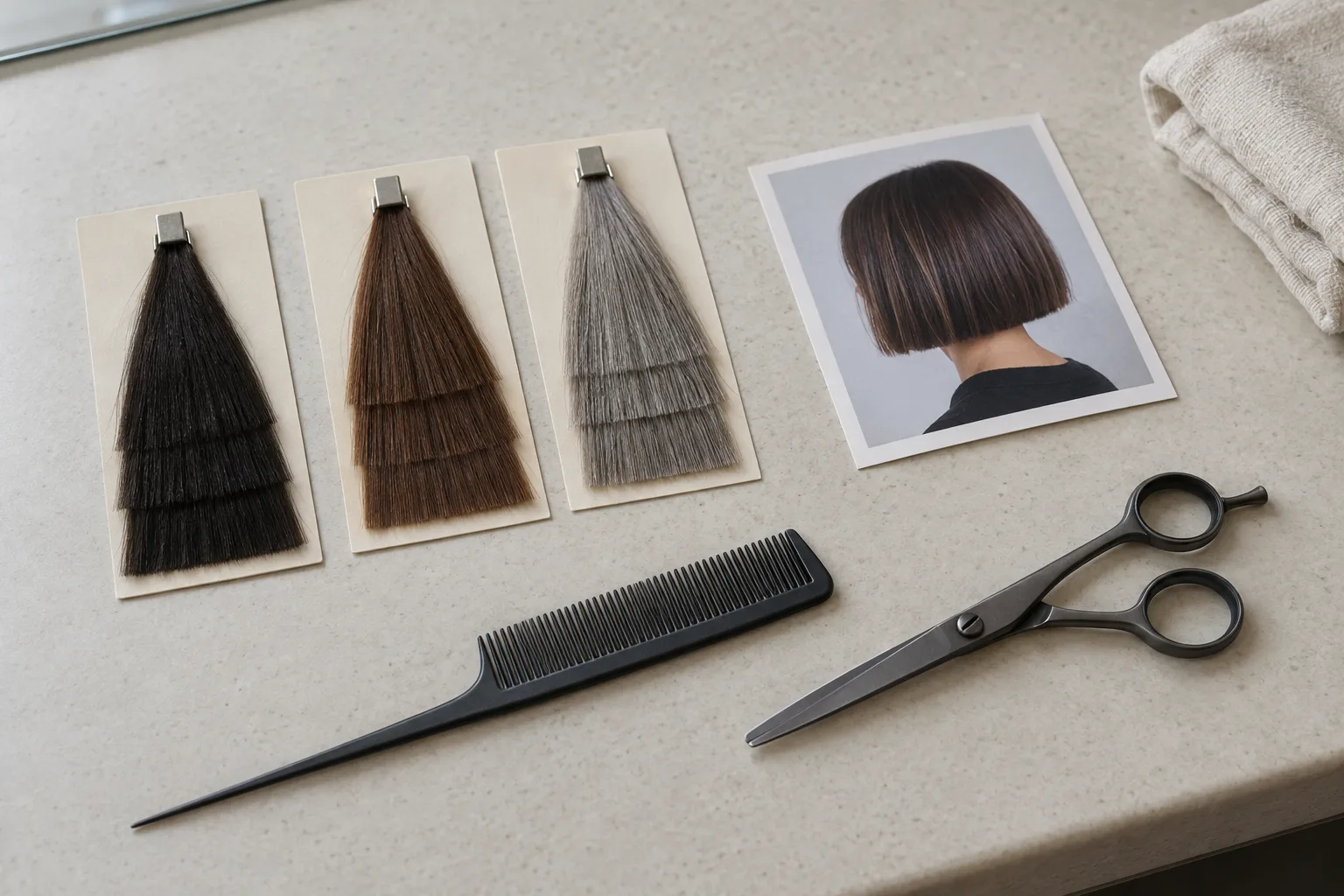
If you are considering the look, take reference photos and talk through how much contrast you want, where your greys are concentrated and how you wear your parting. Skilled placement, rather than a single formula, is what usually makes the finish look expensive and soft.
People with sensitive scalps or existing skin conditions should speak to a GP, dermatologist or trichologist before any new dye. Temporary options — clear glossing, root touch‑up sprays, hair fibres and, for convenience days, toppers or wigs — can bridge appointments; our coverage of a pageant contestant’s choice shows wigs as a confident style tool, not a secret accessory.
If you are noticing increased shedding or a widening part, colour alone will not address the cause. A medical review can rule out triggers such as thyroid issues, iron deficiency or telogen effluvium; our guide to diffuse hair loss causes and tests explains what clinicians check.
Those exploring treatment for hair loss alongside cosmetic camouflage can review options in our round‑up of the best hair loss treatments in 2026. Evidence varies by condition, and a personalised plan from a clinician is recommended.
Related: Best root-lifting spray for fine hair: what experts recommend
Related: Laser hair removal: risks, results and what to expect
Related: Haircuts for thin hair: five cuts that make hair look fuller
Why this matters
For many in the UK living with greys or thinning, colour is a practical way to feel more like yourself while you explore longer‑term options. ‘Twilights’ offer a low‑contrast blend that can look glossy on brunettes without harsh regrowth. If you notice sudden shedding, scalp irritation or a widening part, speak to a GP, dermatologist or trichologist before colouring. Cosmetic choices can sit alongside medical care; our explainer on diffuse hair loss causes and tests outlines when to get checked.
Common questions
- what are ‘twilights’ in hair colouring
- They are dark brunette lowlights placed to add depth and warmth. The multi‑tonal placement helps blend grey hairs without a flat, single‑shade result.
- do lowlights help cover grey hair for brunettes
- Yes. Strategically placed lowlights can soften the contrast between dark hair and silver strands, blending greys while keeping dimension and shine.
- are ‘twilights’ a good option over 50
- They can be. Colourists say multi‑tonal darker palettes look modern if not flat, with warm threads and gloss to maintain movement and reflectivity.
- are lowlights less damaging than highlights
- Often. Lowlights deposit pigment rather than lifting it, which can be gentler on lengths. Overlapping permanent colour repeatedly can still cause dryness and breakage.
- will darker hair colour make thinning look worse
- It can increase contrast at the parting, making the scalp more visible. A zig‑zag part, root smudge or hair fibres can help diffuse the effect.
- can hair dye cause hair loss
- Dye can lead to breakage or shedding from irritation or traction, but it does not usually damage follicles permanently. Patch testing and gentle handling are advised.
- how do you maintain ‘twilights’ between salon visits
- Colourists often recommend a colour‑refreshing conditioning mask to revive tone and gloss. The ideal routine depends on your hair, so ask your colourist.
- should I dye my hair if I have a sensitive scalp
- Speak to a GP, dermatologist or trichologist first. Patch test every dye, consider gentler formulas, and avoid colouring if you have an active scalp flare.
Sources
- Women's Health UK: Move over highlights – Catherine Zeta Jones’ ‘twilights’ are the sexy new way to cover grey hair
- theglossarymagazine.com: 37 Of The Best New TV Shows To Watch This Autumn 2026
- Women's Health UK: Emma Thompson just debuted ‘greige lights’ hair – and showed it's the best new way to go grey
This article was written by Thicker Thinking using the sources listed above. It is for general information and is not medical advice. Speak to your GP, a dermatologist or a qualified trichologist about your own situation.