Treatments in the News
Natural treatments for alopecia areata: what the evidence says
Small studies hint at benefits from a few natural options for alopecia areata, but evidence remains limited and quality varies.
By the Thicker Thinking Editorial Team
Published · Updated · 6 min read
Quick answerSome natural options show modest benefits in small studies, but the evidence is limited and variable. Discuss any trial with a GP, dermatologist or trichologist first.
Timeline
2018
Review of complementary and alternative treatments reported mild benefits from several topical natural remedies.
2023
Review of superficial cryotherapy urged larger studies to assess effectiveness for alopecia areata.
2025
Acupuncture review summarised case reports showing regrowth over four to six months in two females.
2025
Small study of 60 people reported greater regrowth with cryotherapy than without the treatment.
According to Healthline, recent round‑ups of complementary and alternative approaches for alopecia areata have highlighted several natural options supported by small studies and reviews. Researchers reported signals of benefit for some topical products, select supplements and procedural therapies, but also stressed evidence gaps.
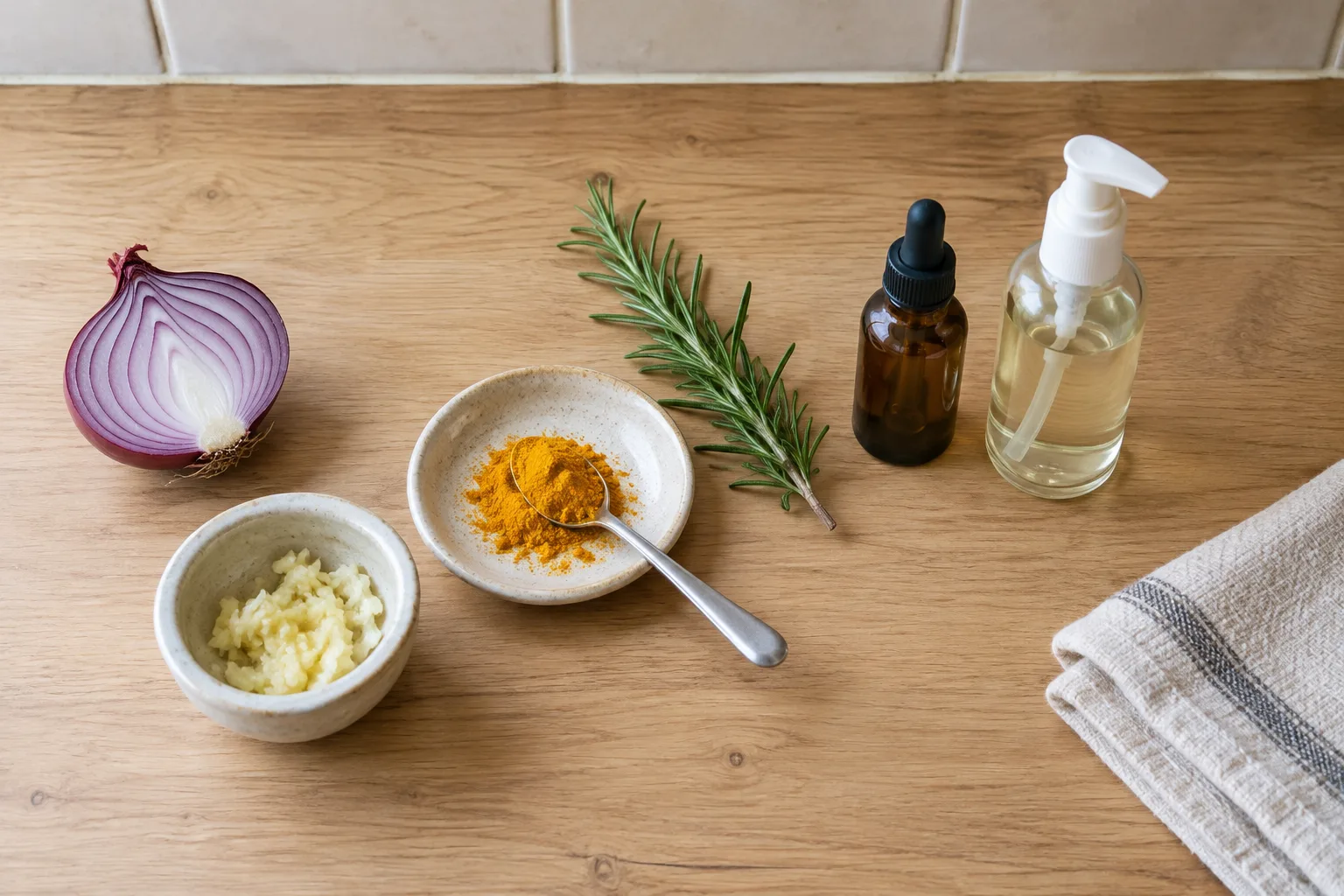
These summaries point to topical agents such as garlic gel used with corticosteroids, curcumin combined with minoxidil, capsaicin, rosemary oil and onion juice, alongside dietary supplements including pumpkin seed oil, Korean red ginseng and zinc. Healthline notes the overall evidence is “limited”, with small samples and short follow‑up.
What happened
A 2018 review of complementary and alternative treatments for alopecia reported that several topical remedies may offer mild benefits. According to Healthline, the agents with early signals included garlic gel, curcumin, capsaicin, rosemary oil and onion juice.
Researchers cautioned that when a natural product is layered on top of an established therapy, such as a corticosteroid or minoxidil, any added effect is hard to isolate. The review flagged this confounding for garlic gel with steroids and curcumin with minoxidil.
A 2025 review of herbal and nutritional approaches suggested that pumpkin seed oil, Korean red ginseng and zinc may provide modest benefits as oral supplements for some people with alopecia areata. Healthline adds that much of the food‑based research has tested topical use rather than ingestion.
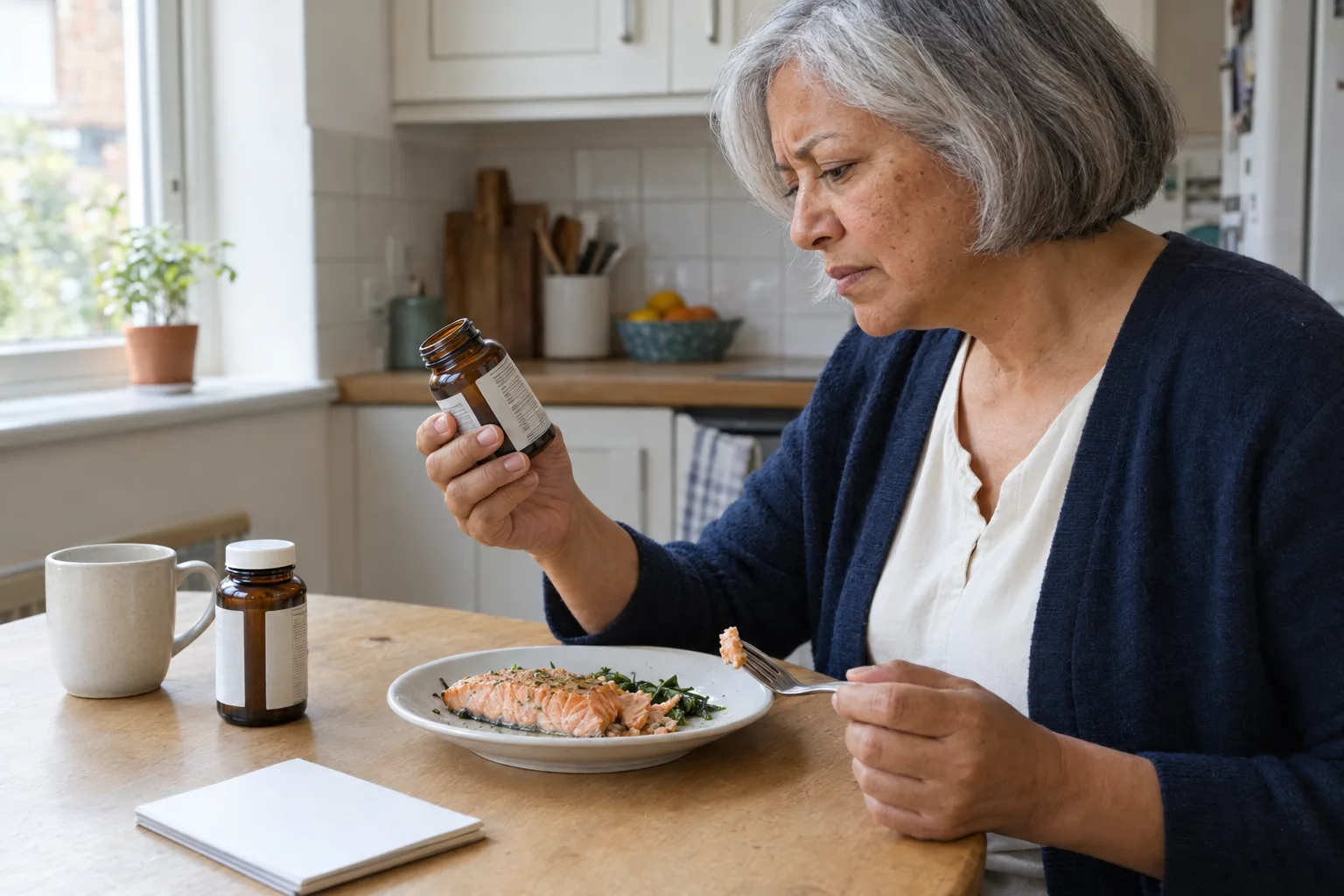
Dietary guidance from naturopathic sources cited by Healthline recommends adequate protein, iron, zinc, prebiotic fibres and fermented foods to support overall hair health. This advice targets hair quality and scalp condition rather than alopecia areata specifically.
A 2025 review of acupuncture in alopecia areata summarised two case reports in females who experienced hair regrowth over four and six months of treatment. Authors emphasised the narrow evidence base and the need for controlled trials to assess true effect.
Cryotherapy, which applies cold to trigger a local response, showed a favourable signal in a small 2025 study of 60 participants with alopecia areata. Those receiving cryotherapy had more regrowth than those who did not receive the procedure, according to Healthline’s summary.
A 2023 review of superficial cryotherapy concluded that most studies are small and methodologically limited. The reviewers called for larger, better‑designed trials with longer follow‑up to establish efficacy and safety.
Adverse effects were collated in the 2018 review, which found that natural options are not risk‑free. Reported reactions included burning with capsaicin, eczema‑like irritation with capsaicin ointment, itch with topical curcumin and minoxidil, and redness or odour issues with onion juice.
Other reactions noted included itch with pumpkin seed oil, acne or stomach upset with saw palmetto, dandruff or stomach upset with zinc sulfate, and itch or redness with topical vitamin D and melatonin. Healthline reports that risks vary by product and by individual sensitivity.
Healthline also outlines red‑flag symptoms for alopecia areata that warrant medical assessment, including rapid onset shedding, small round patches on the scalp or face, one‑sided patch distribution, and burning or itching at affected sites. Dermatology input helps confirm diagnosis and guide treatment choices.
The background
Alopecia areata is an autoimmune condition in which the immune system targets hair follicles, causing patchy hair loss on the scalp or face. Episodes can recur, and some people experience spontaneous regrowth while others have incomplete recovery.
Genetic tendencies, coexisting autoimmune conditions such as psoriasis, thyroid disease or vitiligo, and allergic conditions like eczema are all linked to higher risk, according to Healthline’s summary of National Institute of Arthritis and Musculoskeletal and Skin Diseases information.
Standard medical care for alopecia areata aims to calm inflammation and encourage regrowth. Healthline notes that regulatory authorities have approved some medicines for this condition, but they can cause side effects and are not universally effective.
Targeted immune therapies known as JAK inhibitors have become part of the modern treatment conversation for more severe alopecia areata, reflecting progress in understanding immune pathways. Our overview of new guidance and trial results in 2026 summarises how these drugs fit alongside established options.
Many people explore natural remedies due to concerns about side effects or a wish to try gentler approaches. Experts caution that “natural” does not guarantee safety, and plant‑based substances can still irritate sensitive scalps or interact with other treatments.
Interest in botanical oils remains high, including rosemary oil and onion juice, following small studies and online testimonials. Our explainer on rosemary oil and scalp massagers outlines allergy risks, dilution considerations and what the evidence actually shows for hair growth.
Stress can coincide with alopecia areata flares for some people, likely through complex immune pathways. Early laboratory work linking stress and hair loss via immune “memory” has been explored in animals; see our report on a mouse study of stress and hair loss for context.
Alopecia areata can resemble other causes of shedding or broken hairs, so getting the diagnosis right matters. Our guide to scalp conditions that cause hair loss explains when infections, inflammation or traction can mimic patchy loss.
What people are saying
Dermatologists generally advise viewing natural remedies as adjuncts rather than replacements for proven therapies during active disease. This approach helps avoid delays in controlling inflammation that can prolong shedding.
Clinicians often recommend patch testing before trying essential oils or spicy compounds like capsaicin to check for irritation or allergy. Dilution in a suitable carrier oil and avoiding application near the eyes or broken skin are common safety tips.
Trichologists emphasise the basics of scalp care: gentle cleansing, avoiding harsh chemical processes during active shedding, and limiting tight styles that pull on fragile hairs. Consistency with any chosen regimen is more important than frequent product switching.
Nutrition advice typically prioritises a balanced diet with sufficient protein, iron and zinc, reflecting the building blocks needed for hair fibre. Some specialists also suggest including prebiotic fibres and fermented foods to support overall health, as Healthline reports.
Specialists caution against halting prescribed treatments when adding a natural option, unless advised by your clinician. Coordination of care helps avoid conflicting products and allows reactions to be traced to a single change if problems occur.
Evidence for microneedling and related techniques is stronger in pattern hair loss than in alopecia areata. Our review of the dermaroller evidence explains where results are more consistent and where data remain sparse.
What happens next
Researchers are calling for larger, longer randomised trials that isolate individual natural agents to determine true effect sizes and safety profiles in alopecia areata. Better study design would help separate placebo effects from real benefit.
People choosing to try natural options can lower risk by checking ingredient lists, avoiding known personal allergens and testing a small area first. Recording changes with photographs can help assess whether a product is making a difference over time.
If patches are expanding, eyelashes or eyebrows are affected, or the scalp is painful or very itchy, prompt assessment by a GP or dermatologist is sensible. Early, tailored treatment gives the best chance of controlling inflammation and protecting follicles.
Some will prefer to focus on supportive measures such as stress reduction, sleep and gentle hair care while monitoring for spontaneous regrowth. Others may combine a natural option with a prescribed therapy, under medical guidance, to cover both comfort and control of disease activity.
For those considering procedural options, clinicians will weigh practicality, access and cost against uncertain benefit. As the 2023 cryotherapy review indicates, more robust data are needed before routine use can be recommended.
As evidence develops, people living with alopecia areata can expect clearer guidance on which natural approaches, if any, are worth the effort. Until then, cautious trials under professional supervision remain the safest path.
Why this matters
Many readers ask whether gentler, over‑the‑counter options can help patchy hair loss. This round‑up shows where small studies hint at benefit, where risks lie, and why expectations should stay modest. If patches are spreading or symptoms are severe, speak to a GP, dermatologist or trichologist. A confirmed diagnosis and a plan that balances proven care with any natural trial can reduce worry and protect follicles. For an overview of recognised therapies, see our guide to alopecia areata signs, regrowth and treatment.
Common questions
- do natural remedies work for alopecia areata
- Some small studies suggest modest benefits, but evidence is limited and variable. Topicals like garlic gel, curcumin, capsaicin, rosemary oil and onion juice have shown early signals.
- which natural oils might help alopecia areata
- Rosemary oil and onion juice have shown early promise in small studies and reviews. Both can irritate sensitive skin, so patch test and stop if you react.
- can diet or supplements help alopecia areata
- A 2025 review suggested modest benefits from pumpkin seed oil, Korean red ginseng and zinc. Adequate protein, iron and zinc support general hair health.
- does acupuncture help alopecia areata
- Evidence is very limited. A 2025 review reported two case reports showing regrowth over months, but controlled trials are lacking.
- is cryotherapy effective for alopecia areata
- A small 2025 study in 60 people found more regrowth with cryotherapy than without, but a 2023 review called for larger, better‑designed trials.
- are natural treatments safer than medicines for alopecia areata
- They often have fewer systemic risks, but they are not risk‑free. Reported side effects include irritation, itch, redness and occasional stomach upset.
- what side effects can natural alopecia areata remedies cause
- Reactions reported include burning with capsaicin, dermatitis‑like irritation, itch with topical curcumin, redness and smell with onion juice, and stomach upset with zinc or saw palmetto.
- when should i see a doctor for patchy hair loss
- Seek medical advice if hair loss starts rapidly, forms round patches, affects one side, or causes burning or itching. Early assessment guides treatment.
Sources
- Healthline: Can Natural Remedies Help Alopecia Areata?
- medplusmart.com: Online Pharmacy Store in India. Best value on medicines-MedPlus
This article was written by Thicker Thinking using the sources listed above. It is for general information and is not medical advice. Speak to your GP, a dermatologist or a qualified trichologist about your own situation.