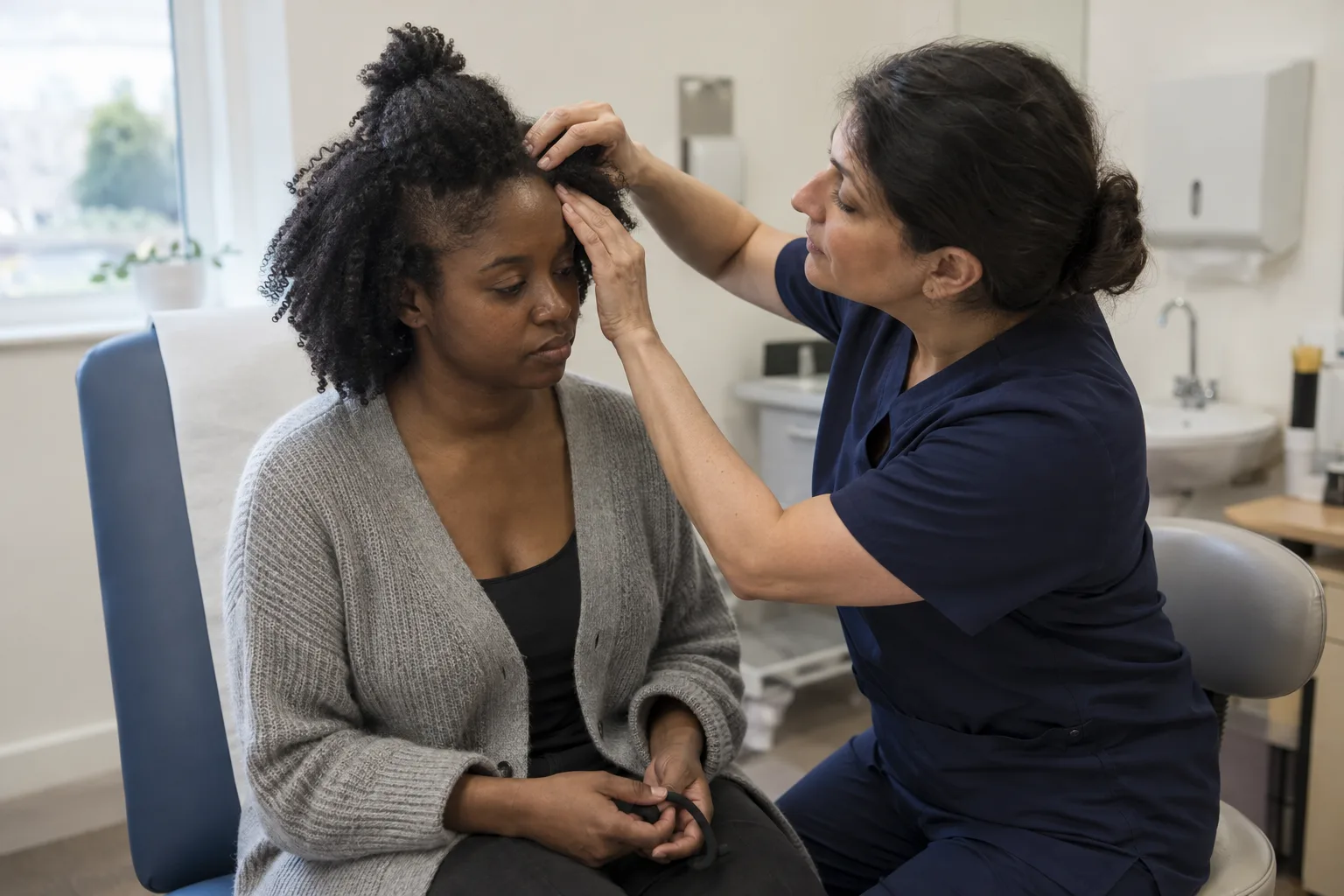
Camouflage and Styling
Hair dye reactions: safer colouring when hair is thinning
NHS advice explains how to recognise a hair dye reaction, when to seek help and what to consider before colouring again.
By the Thicker Thinking Editorial Team
Published · 6 min read
Quick answerHair dye reactions are usually mild, but symptoms can appear up to 72 hours later. Stop using the dye and rinse your hair and scalp with mild shampoo if irritation starts; call 999 for sudden mouth or throat swelling, breathing difficulty or collapse.
Colouring can change how noticeable thinning hair looks, but a burning or itchy scalp is not something to tolerate for the sake of the result. NHS guidance says hair dye reactions are fairly common and generally mild, although a small number require emergency treatment.
For people using colour as part of their camouflage and styling routine, timing matters: a reaction may not become apparent until up to 72 hours after application. Having used a dye without problems before is not a guarantee either. NHS inform explains that adults can develop allergies to substances they previously tolerated.
What happened
NHS advice identifies several possible effects of dye touching the skin: itching, stinging, burning, soreness, a tight or dry feeling, and blisters. These symptoms deserve attention whether colouring takes place at home or in a salon. They should not be dismissed as proof that a product is working.
A rash is not always bright red. On brown or black skin, affected areas may appear purple, grey or darker brown, or the colour change may be difficult to distinguish. Changes in texture, discomfort and itching can therefore be important clues alongside appearance.
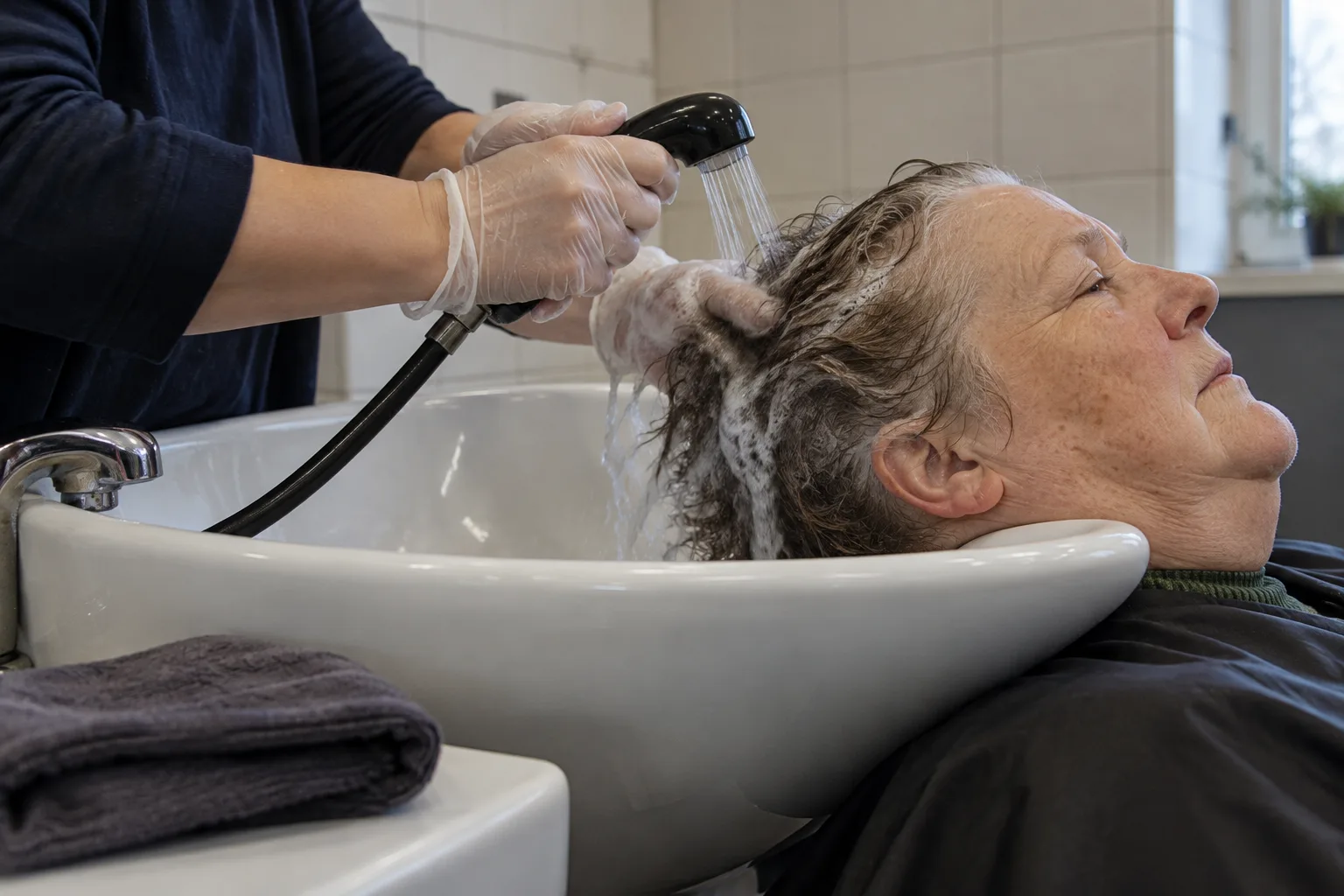
If a reaction starts during colouring, stop using the dye and wash the hair and scalp thoroughly with mild shampoo, according to the NHS. Do not continue processing the colour to finish the treatment. Tell the hairdresser immediately if symptoms develop in a salon.
When it is an emergency
Call 999 for sudden swelling of the lips, mouth, tongue or throat; difficulty breathing or swallowing; sudden confusion, marked dizziness or drowsiness; or collapse. Blue, grey or unusually pale lips, tongue or skin are also emergency signs. On darker skin, colour changes may be easier to notice on the palms or soles.
These can indicate anaphylaxis, a severe allergic reaction affecting the body rather than just the area touched by dye. Both the NHS and NHS inform describe it as a medical emergency. Do not drive yourself to A&E; follow the emergency call handler's instructions. Do not wait for a rash before seeking help.
The background
One important ingredient is paraphenylenediamine, usually shortened to PPD. It is present in many permanent colours and some semi-permanent products. The NHS identifies it as a substance that can either irritate the skin directly or cause an allergic reaction.
Those are different processes. Irritant contact dermatitis means skin inflammation caused by direct damage to the skin's protective barrier. Allergic contact dermatitis involves the immune system reacting to a particular substance. Symptoms can overlap, so the appearance of a sore scalp alone cannot reliably identify which process is responsible.
A previous black henna tattoo is particularly relevant. The paste can contain high concentrations of PPD, which may sensitise someone: their immune system becomes primed to react on a later exposure. A temporary tattoo from years earlier is therefore worth mentioning before using hair colour or discussing a reaction with a clinician.
What this means for thinning hair
Hair colouring changes the hair shaft, the visible strand above the skin. It does not treat the underlying cause of thinning or make follicles, the structures that produce hair, grow additional strands. Cosmetic coverage and medical treatment have different purposes, even when someone chooses to use both.
Breakage also differs from shedding. Chemical processing can weaken strands, leaving shorter broken hairs, while shedding involves hairs being released from follicles. Both may reduce apparent fullness, but neither should automatically be assumed to explain a widening parting or a new bald patch. Our guide to alopecia types and warning signs explains why identifying the pattern matters.
An already sore or scratched scalp is a reason to postpone colouring rather than experiment with another formula. Dermatologists generally advise allowing inflamed skin to recover and establishing what caused the irritation before adding further chemical exposure.
What people are saying
The practical message from NHS services is to match the help to the symptoms. A pharmacist can advise on a mild skin reaction and whether an emollient, a moisturiser that supports the skin barrier, or an antihistamine to relieve itching may be appropriate. Explain which product was used and when symptoms began.
Symptoms that worsen warrant a GP appointment. Persistent inflammation may need prescribed treatment, including a steroid cream or, in some circumstances, tablets. Treatment choice depends on the affected area and severity; using someone else's prescription or adding several remedies can complicate assessment.
There is also an easily overlooked safety issue with skin treatments. Cream and ointment residue can collect in clothing and bedding, making fabrics burn more readily. The NHS advises keeping away from naked flames and avoiding smoking when using these treatments.
What labels and tests can tell you
Dermatologists generally distinguish between a manufacturer's pre-use allergy alert test and diagnostic patch testing. The first follows a product's safety instructions. The second is arranged through a specialist and investigates reactions to specific substances, helping someone understand which ingredients to avoid rather than simply changing brands.
A strand test serves a different purpose: it checks how a small section of hair responds to colouring. It does not replace skin allergy assessment. A reassuring home test cannot guarantee that a full application will cause no reaction, and anyone who reacts during testing should not proceed with the dye.
Labels such as natural or herbal do not establish that a colourant is allergy-free. Likewise, PPD-free does not mean free from every potential allergen. Check the full ingredient list rather than relying on a front-of-pack claim. Our examination of herbs for hair growth and the evidence behind them also separates botanical marketing from demonstrated benefit.
What happens next
Before another colouring appointment, keep the packaging or a photograph of the ingredients and record when symptoms appeared. Photographs of the affected skin can help if the rash changes before a consultation. Tell the clinician about previous dye reactions and black henna tattoos, including those that seemed minor at the time.
A GP may refer someone to a dermatologist for diagnostic patch testing. If an allergy is confirmed, advice can focus on avoiding the responsible ingredient. Do not deliberately try the suspected dye again to check whether the reaction repeats; a previous reaction is information to act on, not a test to recreate.
When colouring is appropriate, follow the manufacturer's preparation and testing instructions, wear gloves during application and never exceed the stated processing time. Changing to a non-permanent colour may be an option, but only after checking its ingredients; semi-permanent products can still contain PPD.
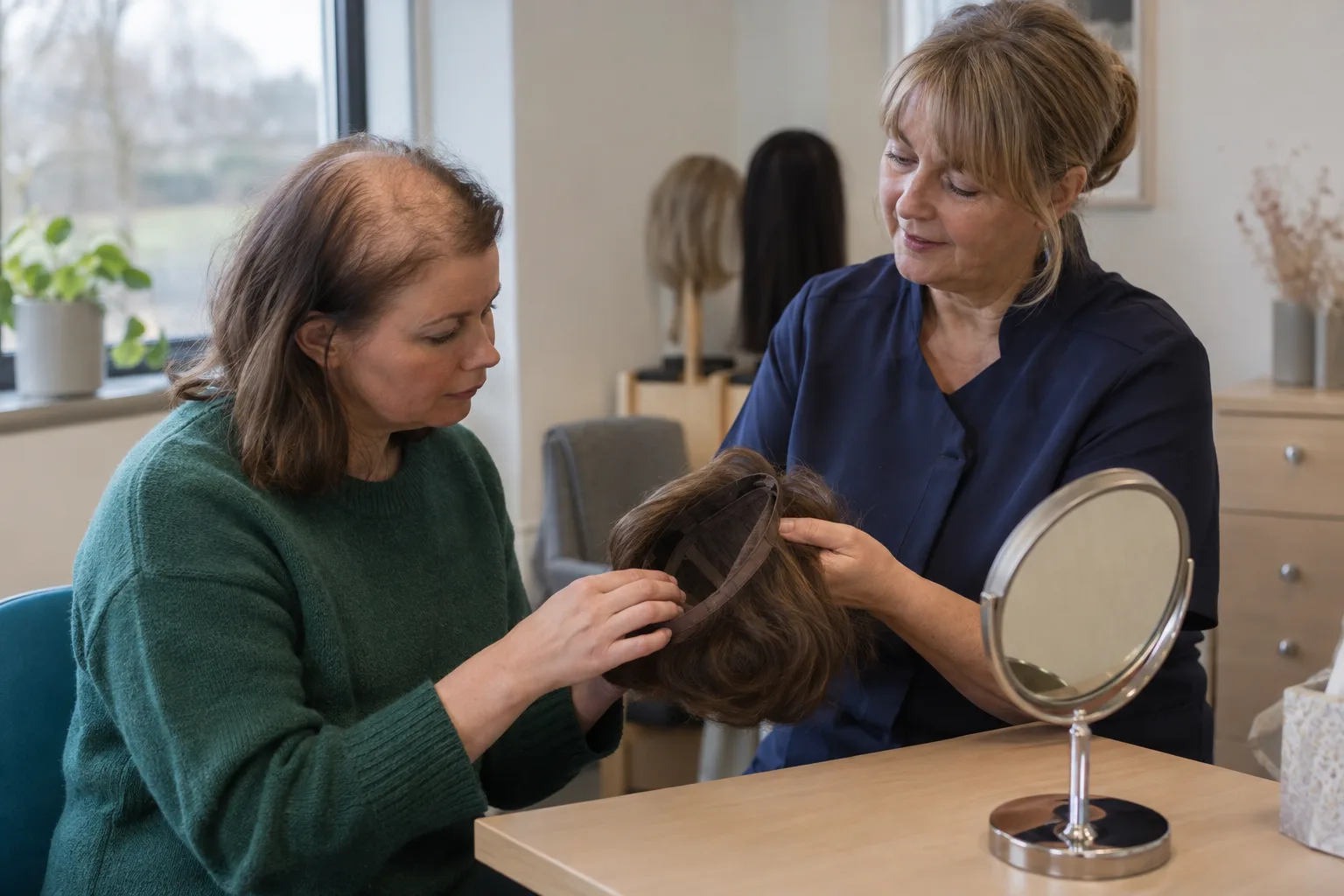
For those who want coverage while leaving an irritated scalp alone, a different parting or a comfortable, loosely arranged style may offer a temporary alternative. Wigs and toppers can provide other choices, although clips, adhesives or tight fittings should not aggravate sore skin. Our guide to NHS wigs, eligibility and help with charges explains the UK support available.
New patchy loss, persistent scalp pain or ongoing shedding needs assessment in its own right. A GP or dermatologist can investigate medical causes; a trichologist can offer additional hair and scalp-care advice. Bring the colouring history to that discussion without assuming dye must explain every change.
Why this matters
For people living with hair loss, colouring can be a personal choice about appearance rather than a luxury, so a reaction may disrupt an important routine. Safer camouflage should protect the scalp as well as create coverage; our guide to traction alopecia and tight hairstyles explains another avoidable source of damage. Speak to a GP if symptoms worsen or hair loss is unexplained, a dermatologist about suspected dye allergy, or a trichologist about gentler styling options once inflammation has settled.
Common questions
- How long after hair dye can an allergic reaction happen?
- Hair dye reaction symptoms can take up to 72 hours to appear. An itchy or sore scalp developing after the colouring appointment may therefore still be related to the dye.
- What should I do if hair dye makes my scalp burn?
- Stop using the dye and wash your hair and scalp thoroughly with mild shampoo. A pharmacist can advise on mild symptoms; see a GP if they worsen. Breathing difficulty or sudden mouth or throat swelling requires 999.
- Can I become allergic to hair dye I have used before?
- Yes, an allergy can develop after previous trouble-free use. NHS inform explains that adults can become allergic to substances they previously tolerated, so a familiar brand is not a guarantee against a reaction.
- Is semi-permanent hair dye safe if I am allergic to PPD?
- Not necessarily: some semi-permanent dyes contain PPD. Check ingredients and seek advice about alternatives after a reaction. A PPD-free product can still contain other substances capable of causing an allergy.
- Can a black henna tattoo cause hair dye allergy later?
- A black henna tattoo can increase the risk of a later reaction to PPD in hair dye. The tattoo paste may contain high PPD concentrations that sensitise the immune system.
- Is a hair strand test the same as an allergy patch test?
- No, a strand test checks how hair responds to colouring, not whether the skin is allergic. Specialist patch testing investigates reactions to particular ingredients. Manufacturer allergy alert tests are separate checks and cannot guarantee a reaction-free application.
- Does colouring thinning hair make it grow thicker?
- No, colouring changes the visible hair shaft rather than treating the cause of thinning. Chemical processing can also weaken strands and cause breakage, which is different from hairs shedding from follicles.
Sources
This article was written by Thicker Thinking using the sources listed above. It is for general information and is not medical advice. Speak to your GP, a dermatologist or a qualified trichologist about your own situation.