Treatments in the News
Dermaroller for hair growth: what the evidence and experts say
Microneedling with a dermaroller may help some hair loss, often alongside minoxidil, but at‑home devices lack FDA clearance and specialist guidance is advised.
By the Thicker Thinking Editorial Team
Published · Updated · 6 min read
Quick answerA dermaroller can support hair growth for some people, mainly with pattern hair loss, particularly when combined with minoxidil. Evidence is still limited and the FDA has not cleared at‑home devices for hair loss.
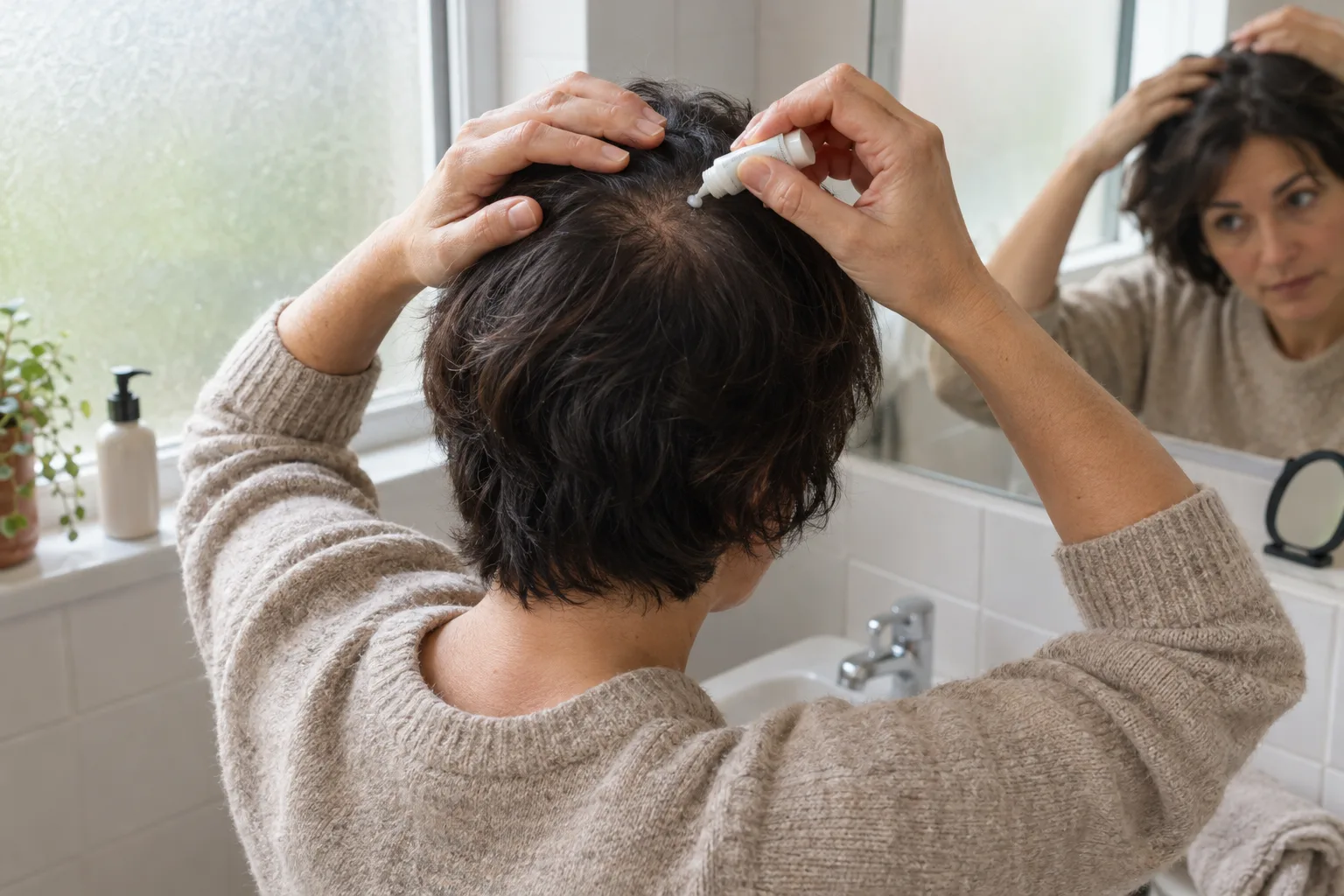
Dermarollers — handheld tools covered in fine needles — are back in the spotlight as a possible way to support hair regrowth. According to Medical News Today and istanbul‑care.com, the technique, known as microneedling, appears to help some people with pattern hair loss, particularly when paired with topical medicines such as minoxidil.
Safety and regulation remain central to the discussion. Medical News Today reports that the US Food and Drug Administration (FDA) has not cleared at‑home devices for hair loss, and dermatologists tend to favour in‑clinic procedures with proper infection control. The evidence base for microneedling alone is also thinner than for established treatments.
What happened
Dermarollers are designed to puncture the scalp surface with many tiny needles, creating controlled micro‑injuries. The aim is to kick‑start the body’s repair response and, in turn, encourage nearby follicles to re‑enter active growth.
Medical News Today notes that the American Academy of Dermatology says microneedling may encourage hair growth, but it can make some scalp problems worse. People are advised to speak with a dermatologist before buying or using a device, especially if they have sensitive skin or an underlying scalp condition.
Evidence summaries highlighted by Medical News Today indicate that microneedling on its own has mixed results, while combination approaches are more promising. A 2021 review found improved hair growth measures with microneedling, and greater gains when it was combined with minoxidil compared with either used solo.
Istanbul‑care.com echoes these findings, describing typical outcomes as gradual thickening rather than dramatic regrowth. The site underlines that microneedling does not revive follicles that are no longer viable, which is why smooth, long‑standing bald areas usually do not respond.
Clinicians sometimes use microneedling alongside other therapies. According to Medical News Today, combinations can include minoxidil, platelet‑rich plasma (PRP), or topical corticosteroids in select cases, tailored to diagnosis and scalp status.
Regulatory messages are plain. Medical News Today quotes the FDA as saying it “has not cleared any microneedling devices for at‑home use.” The agency has also not assessed the safety or effectiveness of pairing these devices with other products, so claims made for combined at‑home use have not been reviewed by regulators.
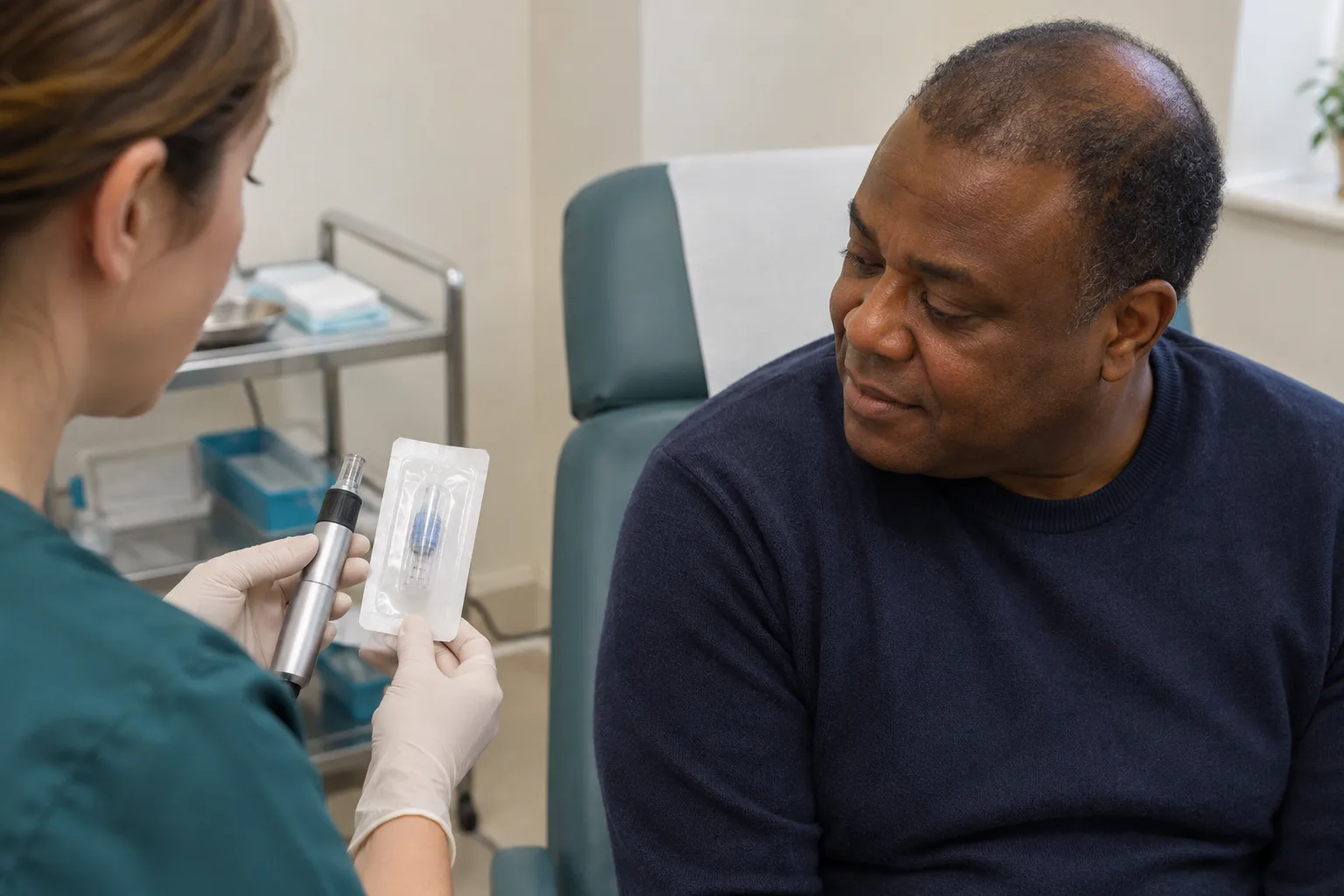
Dermatologists generally prefer to deliver microneedling in a clinical setting with sterile equipment and clear aftercare. Medical News Today reports that some may support limited home use for appropriate patients, but only with professional guidance and strict hygiene. Sharing devices, even within families, is discouraged because of infection risk.
Side effects described by istanbul‑care.com include short‑lived redness and tenderness, which tend to settle quickly. The site flags concerning signs such as significant pain, crusting or persistent irritation, which warrant medical advice. People with active infections, scarring alopecia or bleeding disorders are described as poor candidates for microneedling.
The background
Microneedling relies on wound‑healing biology. Small, controlled injuries recruit platelets and growth factors, increase local blood flow, and signal follicle stem cells. This cascade is thought to nudge follicles from the resting phase into active growth in areas where follicles are still present.
Micro‑channels created by the needles can also boost the penetration of topical medicines. Medical News Today reports that this may enhance the effect of minoxidil, helping more of the drug reach targets within the scalp.
Most of the published research to date focuses on androgenetic alopecia — hereditary pattern hair loss in men and women. According to Medical News Today and istanbul‑care.com, there is far less evidence for conditions such as alopecia areata or telogen effluvium, and microneedling does not reverse scarring alopecias where follicles have been destroyed.
For context, minoxidil and (for men) finasteride remain standard options for pattern hair loss in clinical guidance. Our explainer on the best hair loss treatments in 2026 outlines where these medicines sit and how emerging approaches compare.
When hair shedding is diffuse and linked to triggers such as illness, medication changes or rapid weight loss, tackling the cause is the priority. Our guide to diffuse hair loss: causes and tests sets out how clinicians assess this pattern and what investigations are considered.
Scalp health matters before any procedure that breaks the skin barrier. Inflammatory conditions and infections raise the risk of complications and scarring. For example, our explainer on folliculitis decalvans describes how scarring inflammation can permanently damage follicles and why specialist care is essential.
The delivery setting also shapes outcomes. In clinics, practitioners use medical‑grade devices under sterile conditions and adjust technique to the individual’s diagnosis, hair density and pain tolerance. Consumer rollers vary widely in build quality, and hygiene depends on user practices at home, which is why professionals stress supervision and training.
Who benefits most is linked to follicle status. Areas with thinning hair and miniaturised follicles are more likely to respond than bald patches where the skin is shiny and smooth, indicating loss of follicle structures. This selection principle helps set realistic expectations and avoid disappointment.
What people are saying
Dermatologists generally advise starting with a firm diagnosis before adding any device to a routine. Microneedling is discussed as an adjunct for appropriately selected cases, not a catch‑all solution for every kind of hair loss.
Specialists often warn against “more is better” thinking. Pressing too hard or using a device too frequently risks irritation, delayed healing and infection, without improving results.
Clinicians also caution about mixing multiple topical products around microneedling without advice. Because absorption can increase, so can the chance of irritation from alcohol‑based solutions or other actives.
Most clinics position microneedling as a complement to proven medicines such as minoxidil rather than a replacement. If you are considering a medicine‑led plan, our review of a personalised minoxidil programme explains how clinicians monitor early gains and side effects.
Expectations are another recurring theme. According to istanbul‑care.com, people who do respond tend to notice gradual thickening over months, not overnight changes. Experts frame success as meaningful but modest density improvement on thinning areas, rather than full restoration.
Timing relative to other procedures also matters. After hair transplant surgery or during treatment for inflammatory scalp disease, practitioners typically advise against microneedling unless your surgeon or dermatologist has cleared it. Our guide to hair transplant recovery outlines why the healing phase needs careful protection.
For autoimmune causes such as alopecia areata, many dermatologists now prioritise targeted medicines where indicated, with microneedling playing little or no role. Our report on upadacitinib for alopecia areata shows how immune‑modulating drugs are changing options for this condition.
What happens next
Research groups are working to clarify who benefits most from microneedling, which combinations add value, and how to balance outcomes with safety. Better‑designed trials should help define consistent ways to measure change over time.
Regulatory positions may evolve if stronger data emerge, but for now, at‑home devices for hair loss remain outside FDA clearance, according to Medical News Today. That keeps the onus on clinics to maintain sterile techniques and on consumers to seek qualified advice.
People in the UK will continue to see microneedling offered in dermatology and aesthetic settings, as well as marketed for home use. Checking practitioner credentials, infection‑control practices and aftercare plans is a practical way to reduce risks if you pursue treatment.
For anyone weighing up options, clinicians typically build a plan around proven treatments first and add procedures selectively. Our overview of diagnosis and treatment pathways sets out the conversations to have and how progress is tracked in clinic.
Finally, supportive habits such as gentle scalp care and addressing triggers for shedding can complement medical treatment. Understanding what counts as normal daily loss can also reduce anxiety while you wait for results; our guide on how much hair loss is normal explains typical ranges and when to seek help.
Related: Electric comb for hair growth shows near-100% regrowth in mice
Related: Tretinoin for hair loss: what the evidence really shows
Why this matters
For people in the UK worried about thinning, microneedling with a dermaroller sits between cosmetics and clinical care. The early evidence suggests it can help some cases of pattern hair loss, mainly alongside minoxidil, but it is not a cure. Speaking to a GP, dermatologist or trichologist is worthwhile if shedding is new, patchy, rapidly worsening, or linked to scalp symptoms. Professional assessment can rule out scarring conditions, guide safe use, and set realistic goals within a broader plan that may include medicines, procedures or supportive scalp care.
Common questions
- do dermarollers work for hair growth
- They can help some people with pattern hair loss, especially when combined with minoxidil. Evidence for microneedling alone is limited, and results are usually gradual and modest.
- is a dermaroller safe to use at home for hair loss
- At‑home devices for hair loss are not FDA‑cleared. Dermatologists generally prefer in‑clinic microneedling and advise specialist guidance if considering any home use.
- how long does a dermaroller take to show hair results
- Improvements, when they occur, tend to appear gradually over several months. Expectations should be modest, with thickening in thinning areas rather than full restoration.
- can a dermaroller regrow hair on a shiny bald scalp
- No. Long‑standing smooth bald patches usually lack viable follicles, so microneedling does not restore hair there.
- should you combine a dermaroller with minoxidil
- Reviews suggest combining microneedling with minoxidil produces better outcomes than either alone. Always ask a dermatologist before pairing treatments to reduce irritation risks.
- who should avoid microneedling the scalp
- People with active scalp infections, scarring alopecia or bleeding disorders should avoid it. Anyone with new or severe scalp symptoms should seek specialist advice first.
- what side effects can a dermaroller cause on the scalp
- Mild redness and tenderness are common and short‑lived. Significant pain, crusting, persistent irritation or signs of infection are red flags and need medical advice.
- is microneedling helpful for alopecia areata
- Evidence is limited. Many dermatologists prioritise targeted medicines for alopecia areata, with microneedling playing little role compared with immune‑modulating treatments.
Sources
- Medical News Today: Dermaroller for hair growth: Does it work?
- istanbul-care.com: Derma Roller for Hair Growth: Answers to FAQs
This article was written by Thicker Thinking using the sources listed above. It is for general information and is not medical advice. Speak to your GP, a dermatologist or a qualified trichologist about your own situation.