Treatments in the News
Electric comb for hair growth shows near-100% regrowth in mice
Experimental device from China outperformed minoxidil in a mouse model of male‑pattern baldness, but human trials have not begun.
By the Thicker Thinking Editorial Team
Published · Updated · 5 min read
Quick answerA Beijing team’s experimental electric comb triggered near‑complete regrowth in a mouse model of male‑pattern baldness and outperformed minoxidil, according to The Independent. It has not been tested in humans yet.
Scientists in China have unveiled an experimental electronic comb that restored almost full hair regrowth in a mouse model of androgenetic alopecia, the common form of hereditary thinning also known as male‑pattern baldness. According to The Independent and the-independent.com, the prototype also beat topical minoxidil in head‑to‑head testing in rodents.
The research, published this month in Nature Communications, reported that the comb’s approach combined gentle electrical stimulation with the delivery of hair‑growth agents as users combed. The team, based at Beihang University in Beijing, say the early results indicate potential for treating androgenetic alopecia if future human studies confirm safety and benefit.
What happened
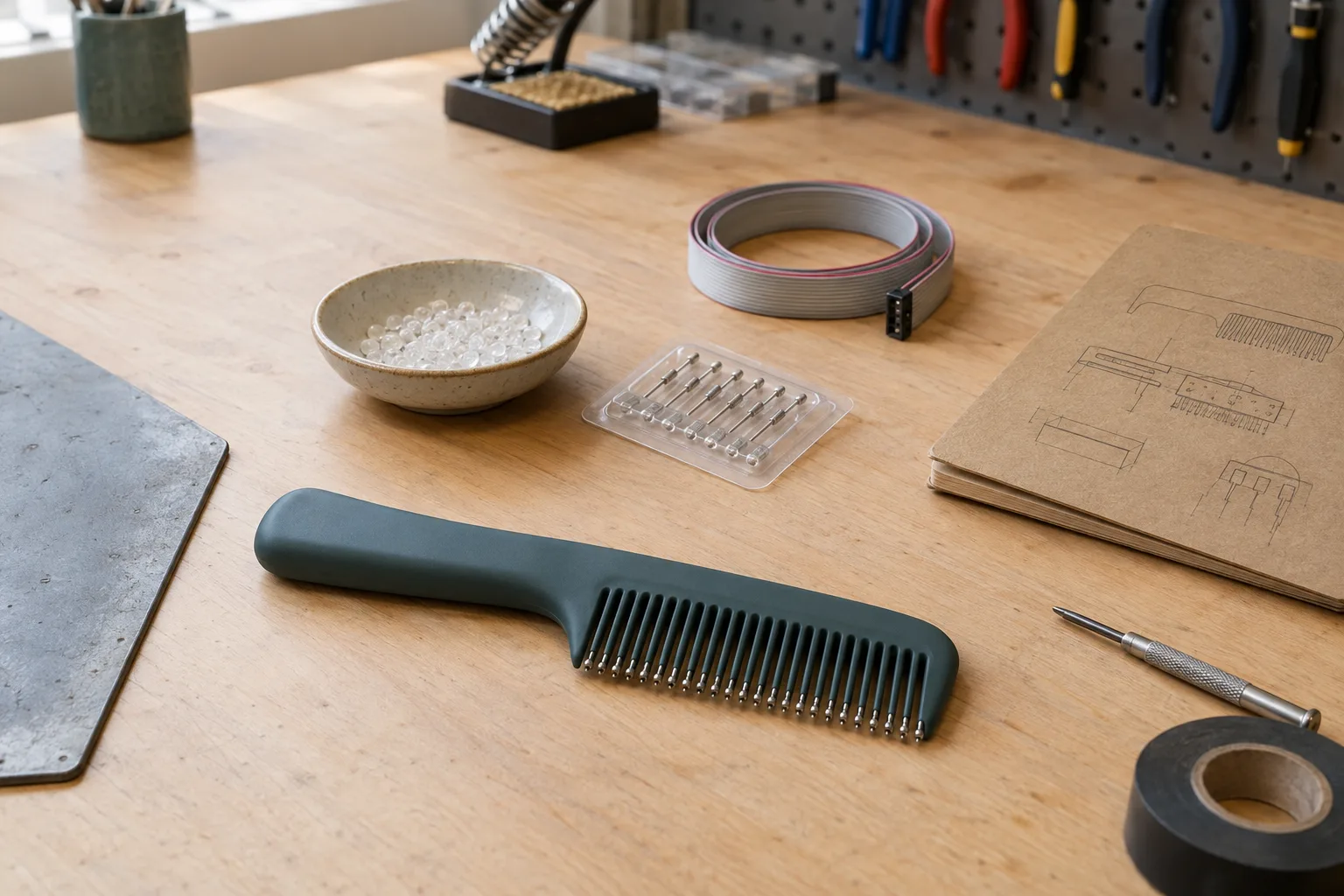
The device, nicknamed ‘Detangle’, uses teeth embedded with tiny electrodes of different heights and built‑in drug‑loading components to generate an electric field close to hair follicles, according to The Independent. This design aims to nudge therapeutic molecules deeper while also stimulating follicle activity during a normal combing motion.
In the mouse model, the system outperformed topical minoxidil, the over‑the‑counter treatment widely used for hereditary hair loss. Researchers described it as “improving outcome from ~70% to nearly 100%” within one month compared to minoxidil alone, based on their analysis of regrowth in the treated areas.
Only animals have been tested to date, and the authors emphasised that more work is needed before any human use. The Independent notes that further studies are required to understand whether the approach is safe on the scalp and whether it achieves meaningful regrowth in people.
The study focused on androgenetic alopecia, the patterned thinning driven by genetic sensitivity to hormones that typically causes recession at the temples and thinning on the crown in men, and diffuse thinning in some women. It remains the most common cause of long‑term hair loss worldwide.
The publication places the comb alongside other early‑stage ideas that have shown promise in laboratory models but still face the usual translational hurdles. Similar preclinical signals, such as those from a recent sugar‑based mouse study suggesting minoxidil‑like regrowth, highlight how animal findings can be encouraging yet uncertain for humans.
The background
Androgenetic alopecia affects up to 80% of men over a lifetime, according to The Independent, with variability in when and how quickly it progresses. Many people seek treatment because thinning can affect body image, relationships and work confidence.
Minoxidil, available as a topical liquid or foam, can help slow shedding and stimulate some regrowth, but responses vary widely. As The Independent reports, it may take many months to see a difference and needs ongoing use to maintain any gains, with scalp irritation and headaches reported by some users.
Finasteride, a prescription tablet for men, is effective for many in early stages by lowering dihydrotestosterone (DHT), the hormone that shrinks follicles. Potential side effects include sexual and mood changes, which is why clinicians monitor patients carefully and discuss risks before starting. Our coverage of finasteride and mental health concerns raised at an inquest outlines why vigilance matters.
Surgical hair transplantation has grown in popularity, moving permanent follicles from the back and sides to thinning areas. It can deliver natural‑looking results in the right candidates, but it is invasive, requires recovery time and can be expensive, as The Independent notes.
Alongside medicines and surgery, device‑based approaches are being explored as adjuncts. Techniques that combine stimulation of the scalp with topical treatments, such as microneedling, have drawn interest; our explainer on dermarollers for hair growth and what evidence shows sets out why careful technique and realistic expectations are important.
Against this backdrop, the Detangle comb’s concept—pairing mild electrostimulation with deeper delivery of actives during everyday grooming—seeks to improve how much helpful ingredient reaches the follicle while providing a physical nudge to follicle biology. Whether that translates from mice to meaningful human benefit will depend on dose, safety, and consistent use over time.
What people are saying
Dermatologists generally advise treating rodent results as an early signal rather than a guarantee. Animal skin differs from human scalp in thickness, hair cycle dynamics and immune response, so effect sizes seen in mice often shrink in clinical trials.
Specialists also stress the importance of a clear diagnosis before trying new treatments. Pattern hair loss can overlap with other conditions such as telogen effluvium (stress‑related shedding), thyroid disease or scalp inflammation, each requiring different management. Our guide to scalp conditions that cause hair loss and next steps explains the red flags that merit medical review.
Clinicians typically encourage starting with evidence‑based options and reviewing progress at set intervals. For many, that means minoxidil and, for suitable men, finasteride, with add‑ons considered once a baseline plan is in place. Our round‑up of the best‑supported hair loss treatments in 2026 summarises current consensus and gaps where research is ongoing.
Trichologists often highlight practical pitfalls that blunt results: inconsistent application of treatments, stopping too early, harsh styling practices, or ignoring scalp irritation. Addressing these can improve outcomes even before considering emerging devices or procedures.
Psychological support is another recurring theme. Hair loss can raise anxiety and low mood, and many patients do better when both the medical and emotional sides are addressed. Our feature on the psychological effects of hair loss, stress and shedding outlines coping strategies and when to seek help.
What happens next
Before any clinical use, the comb will need safety testing to assess skin tolerance, electrical exposure limits, and compatibility with common scalp conditions, according to The Independent. Engineering refinements are likely to ensure consistent contact across different hair types and densities.
If safety benchmarks are met, early human studies would typically begin with small feasibility trials to gauge tolerability and objective regrowth signals. Larger, randomised studies comparing the device plus standard care against standard care alone would follow to answer whether it adds meaningful benefit.
Key questions for future trials include how the device performs across ages and stages of pattern hair loss, whether benefits plateau, and how it interacts with existing treatments such as minoxidil or finasteride. Adherence—how often and how long people use it—will also shape real‑world results.
Regulatory assessment would depend on whether the comb is classed primarily as a medical device, a drug‑device combination, or an adjunct to approved medicines. Each pathway carries different evidence requirements for safety, manufacturing quality and labelling.
For now, the findings sit within a broader wave of innovation seeking to enhance follicle stimulation or improve delivery of active molecules to the root. That includes mechanical methods like microneedling and other approaches aiming at deeper penetration, all of which need well‑designed trials to separate promise from placebo.
Related: Tretinoin for hair loss: what the evidence really shows
Why this matters
For people in the UK living with male‑pattern hair loss, this early research is interesting because it targets two hurdles at once: stimulating follicles and getting active ingredients deeper to where they work. It is still preclinical, so it’s worth discussing proven options with a GP, dermatologist or trichologist now, and keeping expectations grounded while waiting for human data. If thinning is affecting your wellbeing, support and practical strategies can help; see our piece on the psychological effects of hair loss.
Common questions
- what is the new electric comb for hair growth
- It is an experimental electronic comb from Beijing that uses gentle electrical stimulation and drug delivery during combing to encourage regrowth, according to The Independent.
- does the electric comb really regrow hair nearly 100%
- In a mouse model of male‑pattern baldness it achieved near‑complete regrowth within one month, researchers reported. This has not been tested in humans yet.
- has the electric comb been tested on humans
- No. The Independent reports it has only been studied in mice so far, with further safety and efficacy testing needed before human trials.
- how does the electric comb compare to minoxidil
- In the mouse study it outperformed topical minoxidil, reaching close to 100% regrowth versus about 70% with minoxidil alone, according to The Independent.
- what is androgenetic alopecia
- It is hereditary pattern hair loss, often seen as receding temples and crown thinning in men and diffuse thinning in some women.
- what are current treatments for male‑pattern baldness
- Common options include topical minoxidil, prescription finasteride for suitable men, and surgical hair transplantation for advanced cases, each with pros and cons.
- how long does minoxidil take to work
- According to The Independent, it can take up to a year to see results, and continued use is needed to maintain benefits.
- how common is male‑pattern baldness
- It is very common, affecting up to 80% of men over their lifetimes, according to The Independent.
Sources
- The Independent: Scientists invent electric comb that restores hair growth ‘nearly 100%’ | The Independent
- the-independent.com: Scientists invent electric comb that restores hair growth ‘nearly 100%’ | The Independent
- The Independent: Scientists invent electric comb that restores hair growth ‘nearly 100%’ | The Independent
This article was written by Thicker Thinking using the sources listed above. It is for general information and is not medical advice. Speak to your GP, a dermatologist or a qualified trichologist about your own situation.