Hair Loss Causes
Scalp conditions that cause hair loss: signs and next steps
From dandruff to ringworm and autoimmune disease, here’s how scalp problems can lead to hair loss and what to do next.
By the Thicker Thinking Editorial Team
Published · Updated · 7 min read
Quick answerSeveral scalp conditions can trigger hair loss or shedding. Infections, inflammation, autoimmune disease, irritation and hormone problems are common drivers, according to Healthline and sevenhillsdermatology.com.
Many scalp problems can lead to hair loss, either by disrupting the hair cycle or by damaging the scalp’s surface. According to Healthline, most scalp conditions cause either shedding or a rash, with outlook and treatment depending on the underlying cause.
Inflammation, infections, excess oil, product irritation, stress and hormonal shifts are among the common drivers of scalp symptoms, Seven Hills Dermatology notes. These factors can overlap, which is one reason specialists advise a firm diagnosis before treating.
What happened
Healthline outlines a broad list of scalp and related conditions that can affect hair, including psoriasis, seborrhoeic eczema in infants, tinea capitis (ringworm), alopecia areata, head lice, lichen planus, scleroderma, bamboo hair associated with Netherton syndrome, Hashimoto’s thyroiditis and graft‑versus‑host disease. Each presents differently and may need distinct treatments.
Psoriasis typically causes sharply defined, silvery scale on the scalp and other sites such as elbows and knees, and can be itchy or symptom‑free, Healthline reports. Flare‑ups on the scalp often look like stubborn dandruff but usually have thicker plaques.
Seborrhoeic eczema in infants (often called cradle cap) produces yellow, greasy scale that flakes from the scalp and forehead. Healthline notes it is usually painless, not itchy and self‑resolving within months without medical treatment.
Tinea capitis is a fungal infection of the scalp and hair shafts that can cause itchy, scaly patches, brittle hairs, focal hair loss, scalp tenderness and sometimes low‑grade fever with swollen lymph nodes. Healthline highlights that it is contagious and requires antifungal treatment.
Alopecia areata is described as an autoimmune disorder where the immune system attacks hair follicles, leading to small, smooth patches of hair loss that can merge into larger areas. Regrowth may occur but shedding can recur over time, according to Healthline.
Common parasitic causes include head lice, with Healthline describing intense itch from reactions to bites and visible nits or live lice on hair shafts. Scratching can open the skin and introduce secondary infection, which may worsen hair breakage.
Healthline also lists conditions where hair changes are part of a wider disease picture. Hashimoto’s thyroiditis can cause thinning hair alongside low‑thyroid symptoms such as fatigue and hoarseness. Autoimmune connective tissue conditions like scleroderma can alter skin texture and blood vessels, which may involve the scalp.
Seven Hills Dermatology groups frequent triggers into dryness, dandruff, seborrhoeic dermatitis, psoriasis, eczema, fungal and bacterial infections, product irritation or build‑up, stress, hormonal changes, inflammation, excess oil production and scratching or skin injury. They note that hair shedding and scalp changes can accompany these issues.
Because different scalp disorders can look alike, Seven Hills Dermatology cautions that “many scalp conditions can look similar,” urging evaluation for ongoing, painful, itchy or worsening symptoms. This helps direct the right treatment and reduce the risk of scarring or persistent shedding.
Healthline summarises treatment categories that depend on diagnosis: prescription medicines for hair loss, autoimmune disease or hormone disorders; medicated ointments and washes to target fungi or lice; medicated shampoos for seborrhoeic eczema and cradle cap; dietary changes or supplements for deficiencies; and surgical hair restoration as a cosmetic option alongside medical care.
The background
Dermatologists consider inflammation a central pathway linking many scalp diseases to hair loss, because swelling around follicles can push hairs into a shedding phase or damage the follicular unit. Persistent scratching can also injure the skin barrier, increasing the chance of infection and breakage.
Infectious causes such as tinea capitis can directly weaken hair shafts and create patchy hair loss, while bacterial infections and folliculitis can produce pustules, crusting and tenderness. When inflammation is deep or chronic, some people can be left with permanent thinning due to scarring of follicles.
Autoimmune conditions influence hair in several ways. In alopecia areata, the immune system targets follicles, giving smooth patches with little scaling. In thyroid disease, low hormone levels can slow hair production and cause diffuse thinning. Healthline points out hair signs can be one of several clues to systemic illness.
Scaling disorders are a frequent cause of confusion. Seborrhoeic dermatitis and scalp psoriasis both flake, but psoriasis tends to have thicker, more sharply edged plaques. Seven Hills Dermatology notes dandruff and seborrhoeic dermatitis can also extend to the face and ears, adding redness and greasy scale.
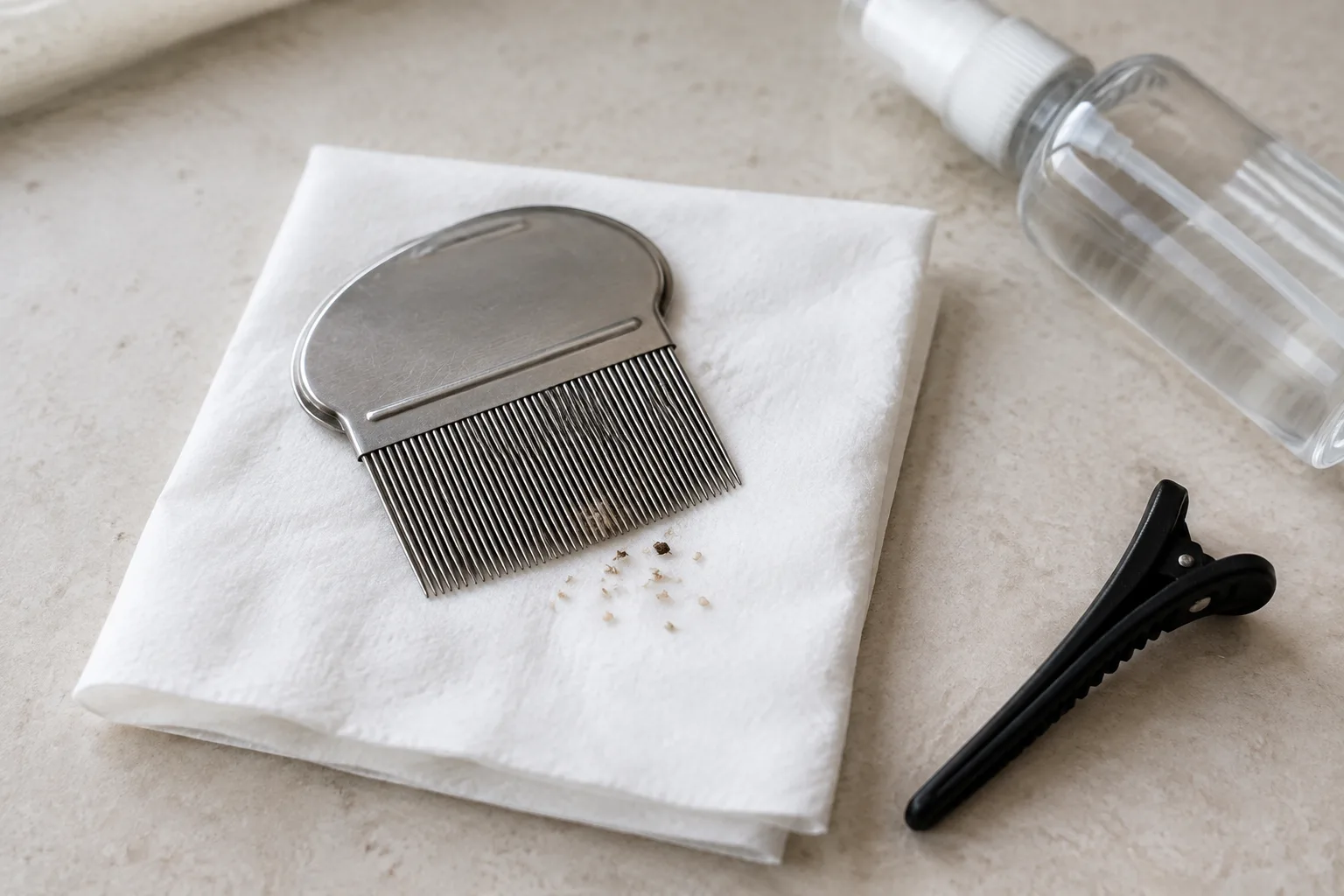
Parasitic infestation with head lice mainly causes intense itch and visible nits rather than true follicle loss. However, constant scratching can lead to broken hairs and secondary infection. Treating the infestation and combing out nits usually resolves the irritation.
Rare hair‑shaft disorders such as bamboo hair (seen in Netherton syndrome) cause fragile, knotty strands that snap, leading to sparse growth. Healthline describes this as a structural defect, which differs from inflammatory or autoimmune hair loss because the problem lies within the hair fibre itself.
Scarring scalp conditions need quick recognition because delay can mean permanent hair loss. Our explainer on folliculitis decalvans and scarring inflammation outlines how chronic infection and inflammation can destroy follicles, producing shiny, hairless patches that do not regrow.
People often mistake diffuse shedding from illness, medication or stress for a scalp disease. Our guide to diffuse hair loss and tests explains how clinicians check for patterns, perform blood tests where indicated and rule out autoimmune, thyroid and nutritional causes.
Dry, irritated scalps can be aggravated by harsh products or over‑washing. Seven Hills Dermatology includes product irritation and build‑up among triggers. Gentle care and avoiding fragranced or high‑alcohol products can help, as we discuss in dry scalp home remedies and what helps.
Alopecia areata deserves special attention because it often presents with sudden, coin‑sized patches and can affect brows and lashes. Our overview of alopecia areata signs and regrowth covers current treatments and realistic expectations, which differ from care for dandruff or fungal scalp disease.
What people are saying
Seven Hills Dermatology advises that persistent itch, burning, tenderness, flaking, redness, bumps or sores should be assessed by a dermatologist, particularly if shedding is worsening. Early diagnosis can reduce complications and guide targeted therapy.
Healthline notes that medicated shampoos can help seborrhoeic eczema and cradle cap, while medicated ointments or washes are used to treat fungal infections and lice. Prescription medicines may be needed for autoimmune disease, hormone disorders and some types of hair loss.
Dermatologists generally advise avoiding scratching and picking, as this can worsen inflammation and raise infection risk. Using simple, fragrance‑free haircare and spacing heat styling can also reduce irritation while a diagnosis is made.
When infection is confirmed or strongly suspected, clinicians typically recommend antifungal or antiparasitic treatments rather than home remedies. This is especially important with tinea capitis, which can spread and cause patchy loss if untreated, Healthline explains.
For people with visible plaques or heavy scale, dermatology teams often combine scalp therapies with gentle de‑scaling techniques taught in clinic. Reducing inflammation around follicles can limit shedding and, in non‑scarring conditions, support regrowth over time.
If hair loss is the main concern but scalp disease is controlled, surgical hair restoration is one cosmetic option Healthline lists. Surgeons generally require stable disease and realistic expectations before considering transplant work.
What happens next
If you notice new patchy hair loss, intense itch, painful bumps, crusting, unusual scaling or tender areas, book an appointment with your GP or a dermatologist. Photographs taken over time can help document changes and speed assessment.
At the clinic, examination of the scalp pattern, hair shafts and skin surface helps separate scaling disorders from autoimmune, infectious or parasitic causes. Where needed, clinicians may take skin or hair samples to look for fungi, bacteria or hair‑shaft abnormalities.
People with diffuse shedding but minimal scalp signs may be evaluated for non‑scalp triggers such as recent illness, medication changes or thyroid problems. Healthline lists supplements and dietary adjustments when deficiencies are identified, guided by test results.
Follow‑up is important because several conditions wax and wane. Seven Hills Dermatology points out that symptoms may come and go or become ongoing, and tailored plans aim to reduce inflammation, manage flaking and support a healthier scalp.
Relapse prevention typically focuses on controlling triggers. For seborrhoeic dermatitis or psoriasis, that can mean maintaining a simple routine and using medicated products as advised. For infections and lice, confirming clearance and cleaning combs and bedding reduces reinfestation risk.
Emotional wellbeing matters too. Visible scalp problems can affect confidence and daily life. Dermatologists and trichologists can signpost support and set realistic timelines for improvement, which may be weeks for irritation and several months for regrowth after non‑scarring loss.
Related: Natural treatments for alopecia areata: what the evidence says
Related: Energy drinks and hair loss: study links sugary caffeine to risk
Why this matters
Scalp problems are a common, often overlooked cause of hair loss. Knowing the signs helps you act early and avoid permanent thinning in scarring conditions. If you have persistent itch, pain, scaling, sores, patchy loss or worsening shedding, speak to your GP, dermatologist or a trichologist. A clear diagnosis steers the right treatment, whether that is medicated shampoos, antifungals, or care for autoimmune disease. Our explainer on folliculitis decalvans and scarring inflammation shows why speed matters when scarring is suspected.
Common questions
- what scalp conditions can cause hair loss
- Inflammation, infection, autoimmune disorders, irritation, excess oil and hormonal changes can cause hair loss. Examples include psoriasis, seborrhoeic dermatitis, tinea capitis and alopecia areata, according to Healthline and sevenhillsdermatology.com.
- how do i tell dandruff from scalp psoriasis
- Dandruff tends to flake with mild redness, while scalp psoriasis often has thicker, sharply edged silvery plaques. A dermatologist can confirm the diagnosis if it is unclear.
- do head lice make your hair fall out
- Lice mainly cause intense itch and visible nits rather than true follicle loss. Persistent scratching can break hairs and allow secondary infection, which may worsen breakage.
- can scalp infections cause permanent hair loss
- Some infections, like tinea capitis, can trigger patchy loss that usually regrows after treatment. Deep or chronic inflammation and scarring conditions can cause permanent thinning if not treated promptly.
- does thyroid disease cause hair thinning
- Yes. Hashimoto’s thyroiditis and low thyroid hormone levels can cause diffuse hair thinning alongside fatigue, hoarseness and other symptoms, according to Healthline.
- when should i see a dermatologist for scalp issues
- Book an appointment for persistent itch, pain, redness, scaling, sores, bumps, visible hair loss, or worsening shedding. Early diagnosis guides treatment and can prevent scarring.
- do medicated shampoos help seborrhoeic dermatitis
- They can. Healthline notes medicated shampoos are often used for seborrhoeic eczema and cradle cap, as part of a plan tailored to your diagnosis.
- can stress trigger scalp problems
- Stress is listed by Seven Hills Dermatology as a contributing factor for scalp symptoms. It can worsen inflammation and flaking in conditions like seborrhoeic dermatitis and psoriasis.
Sources
- Healthline: Scalp Conditions: Pictures, Causes, and Treatments
- sevenhillsdermatology.com: Scalp Conditions Treatment in Lynchburg, Va - Seven Hills Dermatology
This article was written by Thicker Thinking using the sources listed above. It is for general information and is not medical advice. Speak to your GP, a dermatologist or a qualified trichologist about your own situation.