Hair Loss Causes
Hair shaft defects: causes, signs and when they cause hair loss
From bubble hair to bamboo hair, structural fibre defects can mimic hair loss. Here’s how they happen, what to look for and who can help.
By the Thicker Thinking Editorial Team
Published · Updated · 6 min read
Quick answerHair shaft defects are structural problems in the hair fibre that make strands snap easily, creating short, sparse or frizzy hair. They may be inherited or triggered by heat, chemicals or tight styles, and are best assessed by a dermatologist or trichologist.
Hair that will not grow past a certain length, snaps with minimal brushing, or looks coarse and unmanageable can point to a problem in the hair fibre itself. Dermatology resources group these problems under “hair shaft defects”, a set of conditions where the strand’s structure is abnormal and prone to breakage.
These defects can run in families or be caused by everyday habits such as frequent heat styling, tight hairstyles or chemical processing. According to DermNet and simonehair.com, recognising the pattern helps separate true shedding from breakage and guides safer care.
What happened
Dermatology references highlight an overlooked cause of apparent hair loss: structural defects of the hair fibre. These defects range from inherited patterns that begin in infancy to acquired damage from heat, chemicals or traction, and they often present as hair that stays short, looks frizzy or breaks at weak points.
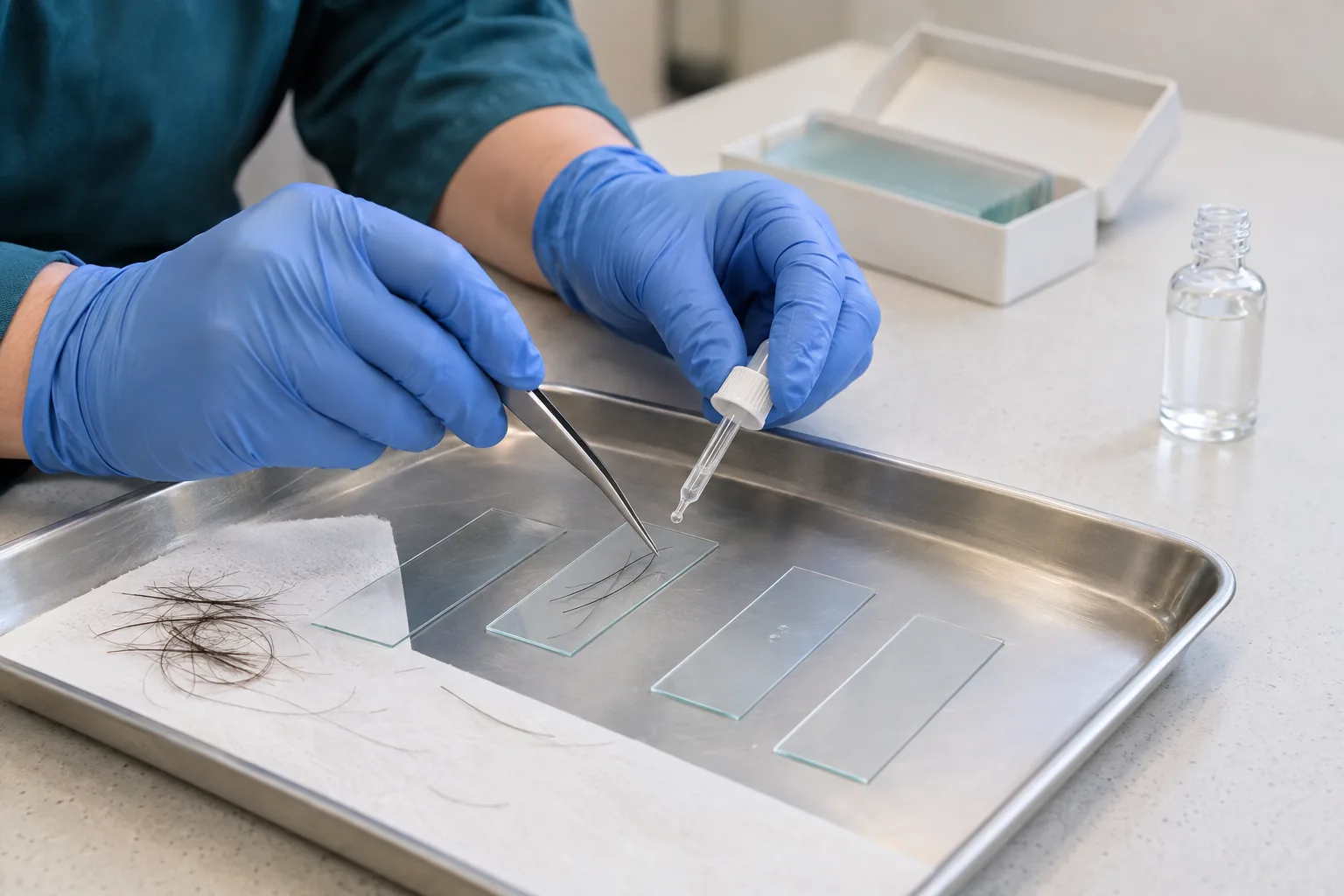
Clinicians examine the hair and scalp, then inspect loose strands under magnification (trichoscopy) to spot characteristic shapes or weak segments along the shaft. This approach distinguishes fibre breakage from conditions that make hairs shed from the root.
Several named defects carry a high risk of snapping. Bubble hair forms gas‑like cavities within the strand that thin the cortex (the strength‑giving layer), so fibres split under mild stress. Monilethrix (“beaded hair”) produces regularly narrowed segments that are prone to fracture, leaving short stubble‑like hairs on the scalp.
Pili torti shows flattened strands with repeated twists, creating brittleness and uneven texture. Bamboo hair (trichorrhexis invaginata) features sections where a harder segment pushes into a softer one; DermNet describes a “ball‑and‑socket” look under magnification.
Dermatologists also see acquired changes after styling practices. External heat from hairdryers and irons, oxidative dyes, perming and repeated straightening can weaken the cuticle (the protective outer layer) and cortex, making hair snap near mid‑lengths or tips. Traction from tight braids or ponytails increases fibre stress and may damage follicles if prolonged.
The background
A healthy hair shaft is made of a cuticle of overlapping keratin scales, a cortex that provides elasticity and strength, and, in some hairs, a central medulla. Sebum from nearby glands coats the fibre as a natural conditioner. When these layers form normally inside the follicle, hair tolerates routine brushing and styling.
Hair grows in cycles: a long anagen (growth) phase on the scalp, a short catagen transition, then telogen rest. Breakage from shaft defects shortens visible length regardless of growth phase because fragile points fail under friction, washing or combing.
DermNet groups causes into external injury and genetic abnormalities. Excessive grooming, high‑heat tools and chemical processing are common external triggers. They roughen the cuticle and thin the cortex, reducing tensile strength so that a gentle pull test may bring hairs away mid‑shaft rather than by the root.
Inherited defects fall into those with increased fragility and those without obvious fragility. Increased‑fragility patterns include bubble hair, monilethrix, pili torti, trichorrhexis invaginata, trichorrhexis nodosa and trichothiodystrophy. Those without marked fragility include acquired progressive kinking, loose anagen hair syndrome, ringed hair (pili annulati), pili bifurcati, spun‑glass hair (pili trianguli et canaliculi), woolly hair and tufted hair (pili multigemini).
Monilethrix typically appears a few months after birth with beaded‑looking shafts on the scalp. Hairs tend to break at the narrow segments, and the scalp may show rough follicular bumps from keratin build‑up. The condition follows an autosomal dominant pattern, meaning an affected parent has a 50% chance of passing it on, and it involves keratin genes on chromosome 12.
Pili torti may be inherited or acquired. When genetic, it can start at birth or in infancy and may accompany other ectodermal changes such as keratosis pilaris, nail changes and dental abnormalities. It is also linked with Björnstad syndrome, which features sensorineural hearing loss, and with Bazex syndrome, which includes follicular atrophoderma and a tendency to basal cell carcinomas.
Menkes disease, an X‑linked disorder of copper transport, is another association with pili torti. Children can present with thin, pale, “steel wool”‑like hair alongside neurological and growth problems, reflecting broader metabolic effects.
Acquired pili torti is reported with malnutrition, including anorexia nervosa, following oral retinoids such as isotretinoin and acitretin, and at the margin of scarring scalp diseases like cutaneous lupus erythematosus and lichen planopilaris, where fibrosis distorts follicles.
Trichorrhexis invaginata (“bamboo hair”) arises from abnormal keratinisation that leaves weak sections along the strand. Harder adjacent segments telescope into these softer points, creating nodes that fracture with minimal trauma. It is caused by SPINK5 gene mutations and is the characteristic hair finding in Netherton syndrome, a genetic skin disorder, according to DermNet and simonehair.com.
Breakage can mimic diffuse thinning because many strands fail near the same length, creating a fuzzy halo or persistent “flyaways”. Our explainer on what makes hair grow faster — and what causes breakage unpacks how mechanical damage shortens hair despite normal follicle activity.
External injury often clusters with grooming habits. Frequently brushing wet hair, backcombing, or wearing high‑tension styles increases mechanical stress. Our practical guide to how often you should brush your hair outlines low‑tension techniques that can reduce everyday fibre wear.
Inflammatory scalp disease can complicate the picture. Scarring conditions may present with fragile or misshapen shafts at the active border of inflammation. For red, sore or scaly scalps, this primer on scalp conditions that cause hair loss covers signs that warrant prompt assessment.
Tufted hair — multiple hairs emerging from a single opening — can accompany scarring inflammation. When tufting occurs with pustules or crusting, clinicians consider follicular infections and chronic inflammatory disorders, including those discussed in our explainer on folliculitis decalvans.
What people are saying
Dermatologists generally advise starting with a careful history: when the fragility began, whether a child’s hair never grew long, and any changes in grooming, colouring or straightening. Family history and associated symptoms, such as eczema‑like rashes or hearing problems, can point to genetic syndromes.
Clinical examination focuses on the scalp surface, hair pull testing, and close inspection of shed fibres. Trichoscopy or light microscopy reveals diagnostic patterns — for example, the beaded narrowing of monilethrix or the telescoping nodes of bamboo hair.
Specialists emphasise that many shaft defects cause breakage, not shedding. That distinction matters because treatments for shedding disorders will not correct fibre fragility, while reducing mechanical and chemical stress often helps prevent further snapping.
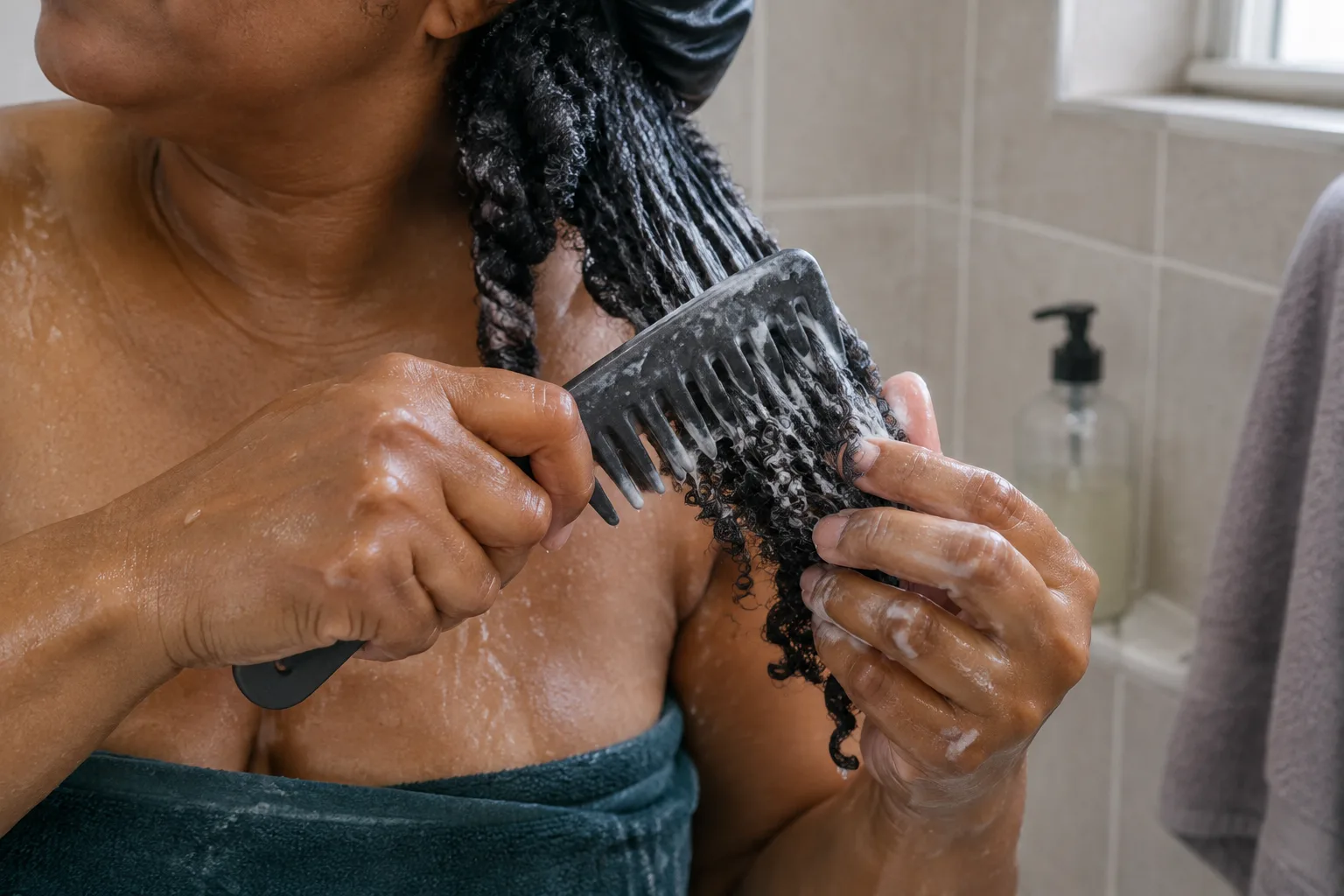
Care typically centres on gentle handling: spacing out heat styling; using lower temperatures if heat is unavoidable; limiting chemical processes; and choosing soft, loose hairstyles that avoid constant tension. Conditioning and avoiding rough towel‑drying can reduce friction at the cuticle.
When a genetic defect is suspected, dermatologists may discuss supportive strategies rather than curative options, as some conditions, such as monilethrix, have no established treatment. For bamboo hair with signs of Netherton syndrome, coordinated dermatology care is recommended because the skin barrier is also affected, increasing sensitivity to products and infections.
If acquired triggers are identified — for example, high‑heat tools or repeated bleaching — switching to gentler routines can improve fibre resilience over time. Where medications such as oral retinoids are relevant, patients are usually counselled on the balance of benefits and side effects for the underlying condition.
With suspected scarring scalp disease, early referral is encouraged. Biopsy and targeted anti‑inflammatory treatment can preserve follicles, which cannot regrow once replaced by scar tissue.
What happens next
People noticing persistent breakage, hair that never seems to grow, or a child with sparse, easily snapping strands should book an assessment with a GP, dermatologist or trichologist. Bringing along shed hairs can help, as can photos of typical styling and products used.
Further steps may include trichoscopy, simple microscopy of shed fibres, and, when syndromic features are present, genetic testing and relevant medical evaluations such as hearing checks. According to simonehair.com, extremely gentle care is important for bamboo hair, and specialist input guides safe product choices when the skin barrier is compromised.
For many, practical changes reduce ongoing damage: less heat, fewer chemical processes, and low‑tension styles. Where inflammation or systemic disease underlies shaft changes, treating the primary condition is key. Shedding and breakage can overlap, so persistent concerns or widening part lines still warrant medical review alongside fibre‑care adjustments.
Related: Central centrifugal cicatricial alopecia: causes and signs
Why this matters
For people living with hair loss, hair shaft defects can be a hidden cause of short, sparse or frizzy hair that won’t grow, even when follicles are active. Understanding when breakage — not shedding — is the driver can prevent unnecessary worry and guide safer routines. If you notice persistent snapping, new roughness, or a child’s hair that stays very short, it’s worth speaking to a GP, dermatologist or trichologist. Early input helps rule out scarring scalp conditions and syndromes such as Netherton, and supports gentler care alongside advice in our guide to scalp conditions that cause hair loss.
Common questions
- what are hair shaft defects
- They are structural abnormalities of the hair fibre that make strands fragile, frizzy, uncombable or short. Some are inherited; others result from heat, chemicals or traction.
- do hair shaft defects cause hair loss or just breakage
- Most cause breakage rather than shedding from the root, so hair looks short or sparse. Some can coexist with scalp disease that leads to actual hair loss.
- what is bamboo hair (trichorrhexis invaginata)
- It’s a defect where harder segments telescope into softer parts of the fibre, forming nodes that snap easily. It’s characteristic of Netherton syndrome.
- is monilethrix inherited
- Yes. Monilethrix (beaded hair) is usually autosomal dominant, linked to keratin genes on chromosome 12, and often shows in infancy with fragile, short hairs.
- what triggers bubble hair or other acquired fragility
- High heat from dryers or irons, straightening, curling, dyes, perming and over‑grooming commonly weaken fibres and can cause bubble hair or similar brittleness.
- what is pili torti and what can it be linked with
- Pili torti are flattened, twisted hairs that break easily. It can be inherited or acquired, and associates with syndromes like Björnstad and Menkes.
- how are hair shaft defects diagnosed
- Clinicians examine the scalp and inspect shed hairs under magnification (trichoscopy or microscopy) to spot characteristic shapes or weak points along fibres.
- who should i see if my hair keeps snapping
- Start with a GP and ask for referral to a dermatologist or trichologist. Specialist assessment identifies the defect, checks for triggers and guides gentler care.
Sources
This article was written by Thicker Thinking using the sources listed above. It is for general information and is not medical advice. Speak to your GP, a dermatologist or a qualified trichologist about your own situation.