Hair Loss Causes
Energy drinks and hair loss: study links sugary caffeine to risk
Survey data from 1,000 men ties frequent sweetened, caffeinated drinks to higher odds of hair loss.
By the Thicker Thinking Editorial Team
Published · 5 min read

Quick answerA Chinese study of more than 1,000 men found those drinking more sweetened, caffeinated beverages had higher odds of hair loss. It shows an association rather than proof of cause.
A new analysis from China has linked frequent consumption of sweetened, caffeinated drinks with higher odds of hair loss in men. According to The Independent, the researchers tracked diet and mental health in over a thousand men and reported a statistically significant association.
The work, published in Nutrients, looked at energy drinks, fizzy drinks, sports drinks and sweetened tea and coffee as a combined category, rather than isolating one product. It examined patterns over four months, offering a snapshot of habits alongside self‑reported hair loss among men aged 18 to 45.
What happened
Researchers from Tsinghua University in Beijing gathered data from more than 1,000 men who logged their intake of sweetened beverages and completed questionnaires on eating habits and mental health, The Independent reports. Participants were tracked for four months, providing repeated measures rather than a single point in time.
Men drinking more than one sweetened drink a day had 42% higher odds of reporting hair loss compared with non‑consumers, the team found. This figure reflects an association within the cohort, not a proven cause‑and‑effect relationship.
Those who said they were experiencing hair loss reported, on average, 12 sweetened drinks per week. The category included energy drinks, fizzy soft drinks, sports drinks and sweetened tea and coffee, capturing a broad range of high‑sugar and caffeinated options.
Dietary patterns in the same group showed a signal: higher fast‑food consumption and lower vegetable intake were also linked with increased hair loss, according to The Independent. These findings add a nutrition context that aligns with broader guidance on balanced eating for scalp and hair health.
The analysis also found an association between anxiety and hair loss in the participants. Mental health factors can influence hair shedding patterns, particularly through stress‑related conditions such as telogen effluvium, where more hairs shift into the shedding phase after a trigger.
The background
Male hair loss is most commonly driven by androgenetic alopecia, often called male pattern hair loss, which is influenced by genetics and hormone sensitivity in hair follicles. This process typically causes gradual thinning at the temples and crown and may progress steadily over time.
Sudden or diffuse shedding can reflect telogen effluvium, where illness, stress, major dietary change or medication prompts more hairs to enter the resting phase at once. We explain timelines and when to seek help in our guide to the six‑month decision point in telogen effluvium.
Sugar‑sweetened beverages are known to affect metabolic health, including weight, insulin response and inflammation. These wider effects are relevant because metabolic syndrome has been linked in observational studies to more severe male pattern hair loss, adding a plausible pathway for indirect impact.
Caffeine can also affect sleep quality and anxiety in some people, which may exacerbate stress‑related shedding. Emerging research in animals has explored how stress can prime immune responses in skin and follicles; see our explainer on the stress–hair link and immune ‘memory’ in mice.
Energy drinks, specifically, combine high caffeine with sugar or sweeteners and other stimulants. Health.yahoo.com highlights American Heart Association findings linking these products and pre‑workout supplements with serious cardiac events in young adults, underlining broader safety concerns around excessive intake.
Many popular energy drinks contain between 150 and 300 mg of caffeine per can, according to health.yahoo.com. Cardiologists there urge people to track total daily intake from all sources, as responses to caffeine vary widely between individuals.
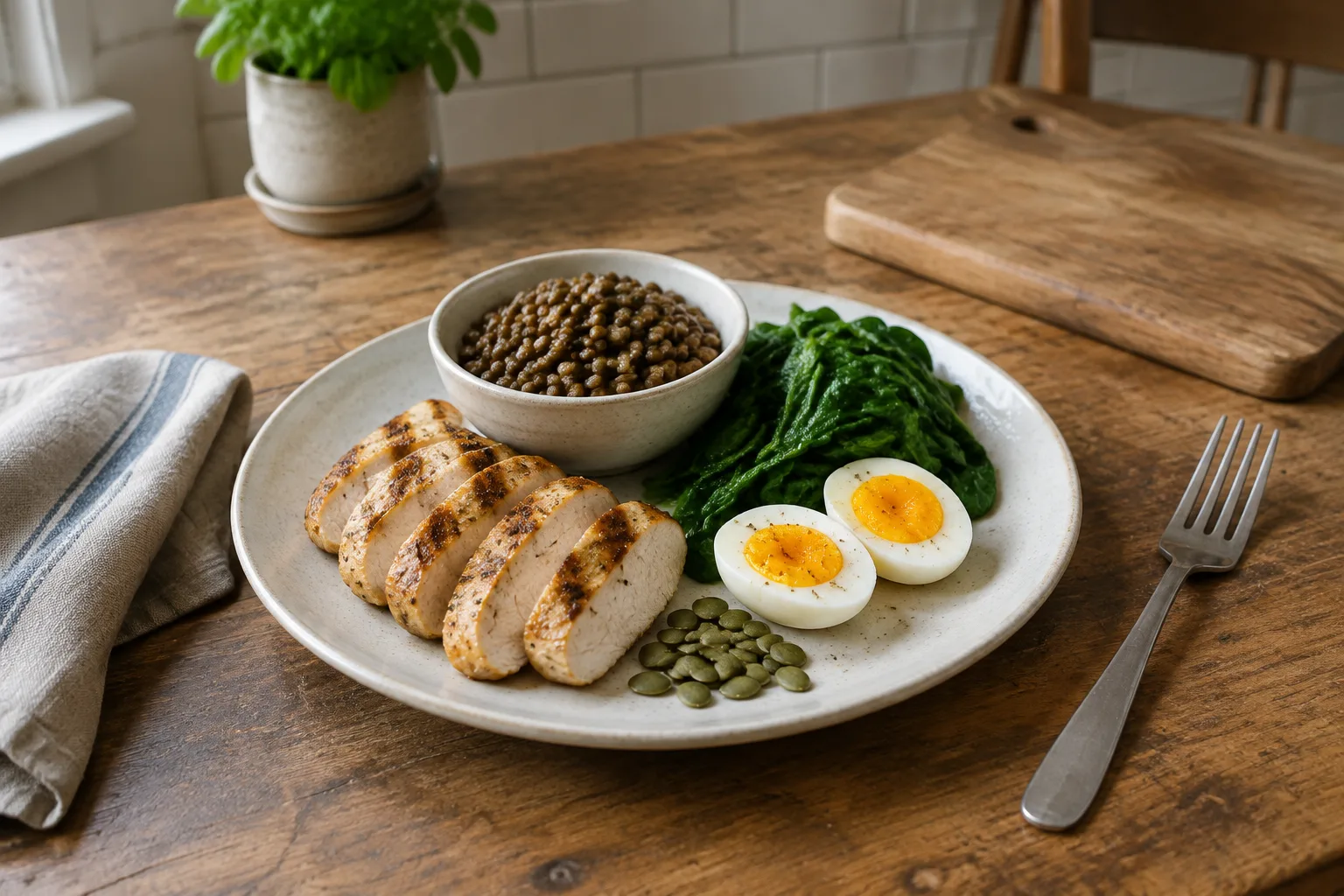
Diet quality remains central to hair health because hair‑matrix cells divide rapidly and need consistent nutrients. Dermatologists generally advise prioritising protein, iron‑rich foods, complex carbohydrates and healthy fats, while limiting ultra‑processed foods and sugary drinks to support scalp and follicle function.
People looking for adjuncts sometimes turn to supplements, though evidence is mixed and benefits depend on correcting a deficiency rather than adding excess. Our review of fish oil research and hair growth outlines what trials have and have not shown so far.
What people are saying
Dermatology guidance consistently stresses that dietary patterns matter more than single products. As Dr Sharon Wong has said via The Sun, cited by The Independent, “there is no one superfood for hair.” A balanced approach is preferred over quick fixes or restrictive trends.
Clinicians typically caution that observational studies can detect patterns but cannot prove a drink or food directly causes hair loss. In practice, they look for overlapping factors—genetics, stress, sleep, diet quality, medical conditions and medications—when assessing why someone’s shedding has changed.
Cardiologists, meanwhile, have raised flags about energy drinks in the context of heart health. Health.yahoo.com reports an American Heart Association analysis of FDA data suggesting a substantial share of energy drink–related incidents in young adults involved serious events such as cardiac arrest or heart attacks.
Trichologists—specialists focused on hair and scalp—often advise that people prone to anxiety or sleep disruption monitor stimulant intake, including caffeine, particularly if they have noticed new or worsening shedding. This sits alongside checks for thyroid function, iron status and other common contributors to hair loss.
For people distressed by visible thinning, practical coping strategies can reduce day‑to‑day stress. Our guide to the psychological effects of hair loss discusses anxiety management and support options that many find helpful alongside medical evaluation.
What happens next
The Chinese study adds to a growing line of research examining lifestyle factors and male hair loss, but longer, well‑controlled studies across diverse populations are needed. Future work could separate specific beverages, quantify caffeine and sugar contributions, and track clinically confirmed hair changes.
For individuals, small, sustainable changes often help: choosing fewer sugary drinks, prioritising whole foods, and aiming for steady sleep and stress routines. People who regularly use energy drinks may wish to check labels, estimate total caffeine from all sources and consider non‑caffeinated alternatives, especially if sleep is affected.
If you are seeing new shedding, widening parting or receding hairlines, it is worth speaking with a GP, dermatologist or trichologist. They can assess likely causes, run targeted blood tests where appropriate, and discuss evidence‑based options. Our overview of diffuse hair loss and common tests explains what to expect at an appointment.
People living with existing pattern hair loss who notice a sudden increase in shedding should raise this at review. Doctors will ask about recent illness, stress, weight changes and diet—factors that can tip follicles into a temporary shedding phase on top of baseline thinning.
Because research is ongoing, clinicians generally recommend focusing on overall lifestyle patterns rather than eliminating a single drink in isolation. This includes staying hydrated, eating regular balanced meals, and avoiding crash diets, which are a frequent trigger for temporary shedding.
Why this matters
For many in the UK, hair thinning builds gradually, while life events, stress or diet can trigger sudden shedding. This study adds a practical reminder to look at everyday drinks and food choices. If you notice new shedding, a widening part or sudden texture change, speak to a GP, dermatologist or trichologist for assessment and tailored advice. Our guide to diffuse hair loss causes and tests explains what clinicians check first and when treatment or monitoring makes sense.
Common questions
- do energy drinks cause hair loss
- Not proven. A Chinese study linked frequent sweetened, caffeinated drinks with higher odds of hair loss in men, but it shows association, not cause.
- how many sweetened drinks were linked to higher hair loss odds
- Men consuming more than one sweetened drink a day had 42% higher odds of hair loss compared with non‑consumers, according to The Independent.
- what kinds of drinks did the study look at
- Energy drinks, fizzy soft drinks, sports drinks and sweetened tea and coffee were grouped as sweetened, caffeinated beverages in the analysis.
- were age and time frame specified in the study
- Yes. The research followed more than 1,000 men aged 18 to 45 for four months, tracking diet and mental health alongside self‑reported hair loss.
- did diet quality matter in the findings
- Yes. Higher fast‑food intake and fewer vegetables were linked with increased hair loss in the cohort, adding a nutrition context to the results.
- was anxiety linked to hair loss in the study
- Yes. Anxiety was associated with higher hair loss risk among participants, alongside drink consumption and dietary patterns.
- are energy drinks risky for heart health
- Health.yahoo.com reports American Heart Association data linking energy drinks and pre‑workout supplements with serious cardiac events in young adults.
- how much caffeine can be in one energy drink
- Many popular energy drinks contain around 150 to 300 mg of caffeine per can, according to health.yahoo.com.
Sources
- The Independent: Drinking energy drinks accelerates hair loss for men, study finds | The Independent
- health.yahoo.com: Energy drinks linked to heart attacks in young adults in new AHA study findings
This article was written by Thicker Thinking using the sources listed above. It is for general information and is not medical advice. Speak to your GP, a dermatologist or a qualified trichologist about your own situation.