Research and Studies
GLP-1 hair loss: study finds shedding and scalp changes
Early research links GLP-1 use with more hair, scalp and nail symptoms, highlighting the importance of checking causes rather than assuming a direct drug effect.
By the Thicker Thinking Editorial Team
Published · 6 min read
Quick answerHair loss was reported more often by GLP-1 users in two linked surveys, but the findings cannot establish that the medicines caused it. Weight loss, reduced nutrient intake and scalp conditions are possible contributors that need individual assessment.
People taking GLP-1 medicines reported more hair shedding and scalp symptoms than nonusers in early research presented at a European dermatology conference. For anyone noticing thinning during treatment, the findings raise an important clinical question: is this temporary shedding associated with weight loss, a scalp condition, or a combination of factors?
The research also examined nail changes, but a striking initial association with nail detachment weakened substantially when researchers considered when symptoms began. That distinction matters: a problem recorded during treatment may have existed beforehand, and does not automatically represent a medicine’s side effect.
What happened
According to Healthline and nypost.com, two linked studies examined questionnaire responses from 575 GLP-1 users and 1,329 people with type 2 diabetes, obesity or both who had never taken these medicines. Participants came from France, the United States, Brazil and Mexico. Users had been receiving treatment for an average of 18.5 months.
The findings were presented at the European Academy of Dermatology and Venereology Congress in Vienna in October 2026. Healthline reported that the researchers had submitted the findings to dermatology journals for peer review, the process in which other specialists assess the work before publication.
What the hair findings show
Unusual hair loss was reported by 50% of medicine users, compared with 34% of nonusers. Reduced volume or density — having less hair overall — was reported by 42% and 19%, respectively. These are proportions within the surveyed groups, not a prediction of an individual patient’s likelihood of developing symptoms after starting treatment.
Scalp redness was around three times as common among users. Most users reporting hair loss also described itching, redness or scaling. The researchers suggested that inflammation, the body’s response to irritation or injury, might contribute in some cases. The questionnaire findings do not establish whether it caused the shedding.
Why the nail results need care
Nail detachment, where a nail lifts away from the skin beneath it, was reported by 39% of users and 9% of nonusers. Discolouration affected 46% and 17%. However, about half of the users already had nail problems before treatment, and the detachment association nearly disappeared when only newly developing problems were counted.
Other analyses found that differences persisted among people who had lost weight. Adjusting for reported skin conditions and nutritional deficiencies also weakened some associations, although detachment and discolouration remained roughly two to three times as common. These analyses address different questions: allowing for other conditions is not the same as establishing that symptoms began after exposure.
The background
GLP-1 medicines act on pathways involved in appetite and blood sugar regulation. Semaglutide is sold under names including Ozempic and Wegovy, while tirzepatide, sold as Mounjaro in the UK, acts on both GLP-1 and another hormone pathway called GIP. Products have different licensed uses and should not be treated as interchangeable.
A recognised explanation for shedding after substantial weight loss is telogen effluvium. This happens when more hairs than usual move from active growth into a resting phase, before eventually falling out. It typically causes shedding across the scalp rather than a single smooth bald patch.
The delay in the hair cycle can make the trigger difficult to recognise. Shedding often becomes noticeable around two to three months after a physical stressor, such as illness, surgery or a marked dietary change. Our guide to hair loss after surgery explains how this delayed response can occur after a different physical strain.
Reduced appetite can also make it harder to eat enough protein and obtain essential nutrients. Iron deficiency is one possible contributor to shedding, but it should not be assumed from hair loss alone. A clinician can assess diet, symptoms and whether blood tests would be useful.
Not every change during weight-loss treatment is telogen effluvium. Gradual widening of the parting or thinning at the crown can indicate pattern hair loss, which may become more noticeable alongside increased shedding. Our explanation of female pattern baldness and its treatment options describes this different pattern.
Nails have their own range of possible causes for change, including injury, fungal infection, psoriasis and thyroid disease. Psoriasis is an inflammatory condition that can affect skin and nails. Hair and nail symptoms occurring together therefore warrant a broader assessment rather than an automatic conclusion that a medicine is responsible.
What people are saying
The researchers’ interpretation emphasises association rather than proof of harm. Because the surveys recorded symptoms at one point in time, they cannot reliably separate treatment effects from differences in underlying health, nutrition or pre-existing conditions. Participants’ recollection of when symptoms began may also be imperfect.
Dermatology advice reported by Healthline highlights an indirect route: appetite suppression may reduce nutrient intake, while weight loss itself can disrupt growth. That is a plausible explanation, not proof that every affected person has a deficiency or that supplements will prevent symptoms.
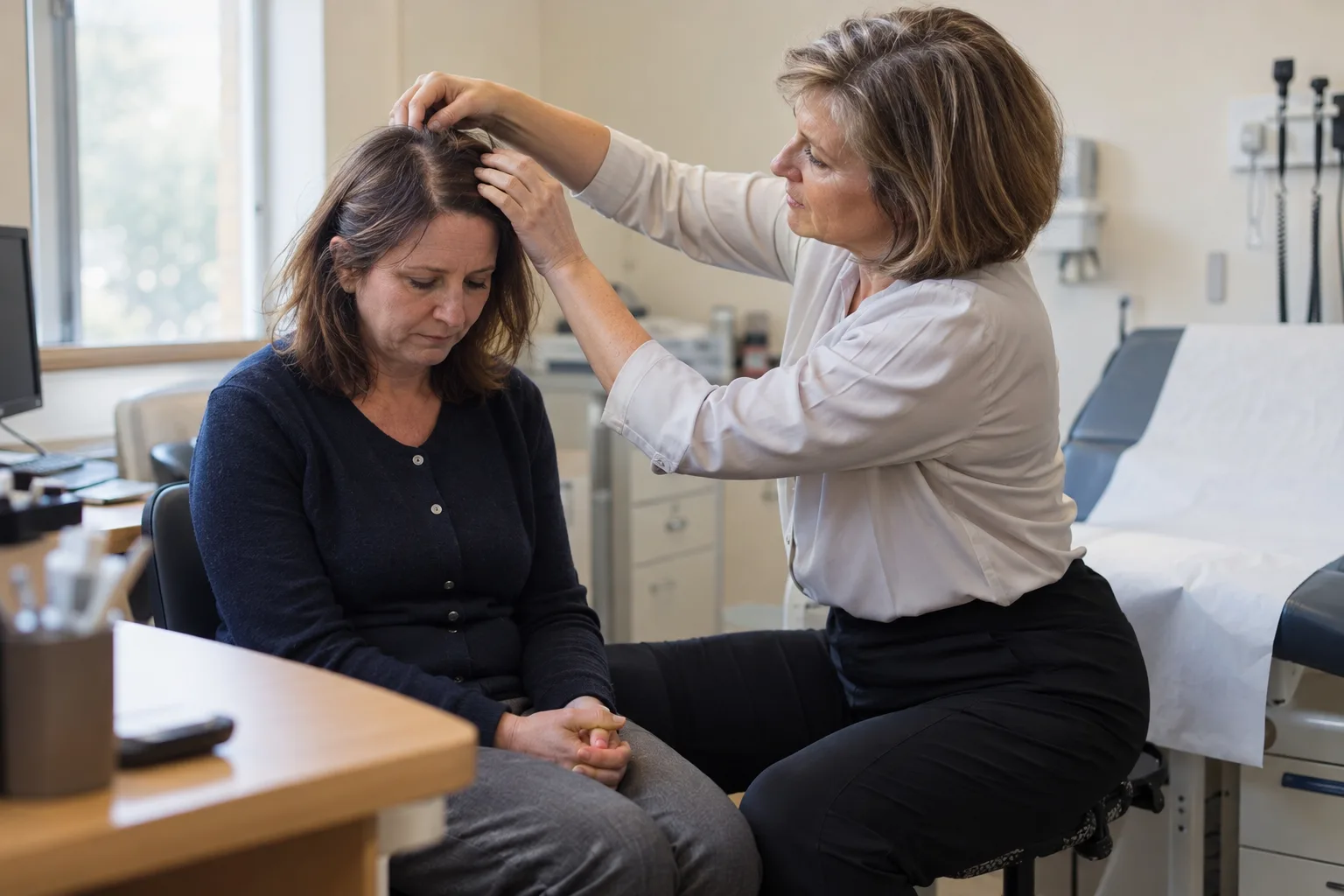
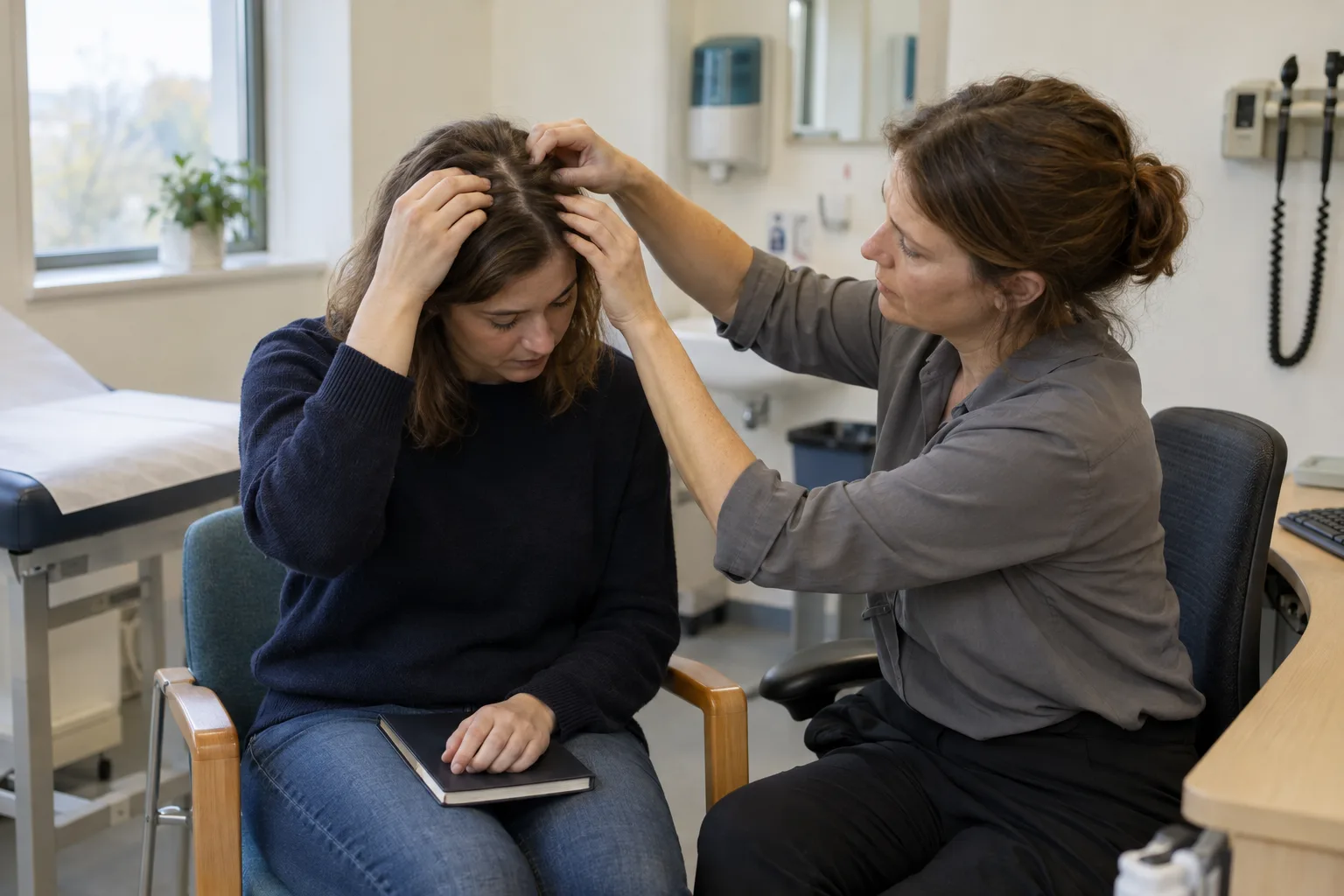
Dermatologists generally distinguish uncomplicated temporary shedding from hair loss accompanied by scalp disease. Persistent redness, itching or scaling deserves examination because conditions such as eczema or psoriasis may need separate treatment. A questionnaire cannot determine which scalp condition someone has or which treatment would suit it.
Blanket supplement advice is another potential pitfall. Extra vitamins are not a substitute for identifying a deficiency, and excessive intake of some nutrients can itself be harmful. Our assessment of herbs for hair growth and the evidence behind them explains why a natural label does not establish effectiveness or safety.
Specialists generally advise reviewing new symptoms with the prescriber rather than stopping an effective medicine independently. For someone taking treatment for diabetes, an unplanned interruption can affect blood sugar control. Decisions should weigh the severity of symptoms, the likely cause and the medicine’s benefits for that individual.
What happens next
Stronger research would follow people from before their first prescription, record their baseline hair and nail health, and repeat clinical assessments over time. Tracking the particular medicine, weight change, diet and scalp diagnoses would help distinguish direct effects from accompanying changes in health.
For patients, a useful next step is to record when shedding started, whether it is widespread or patchy, and whether the scalp feels uncomfortable. Bringing a list of medicines, recent illnesses and major dietary changes to an appointment can help a clinician reconstruct the timeline.
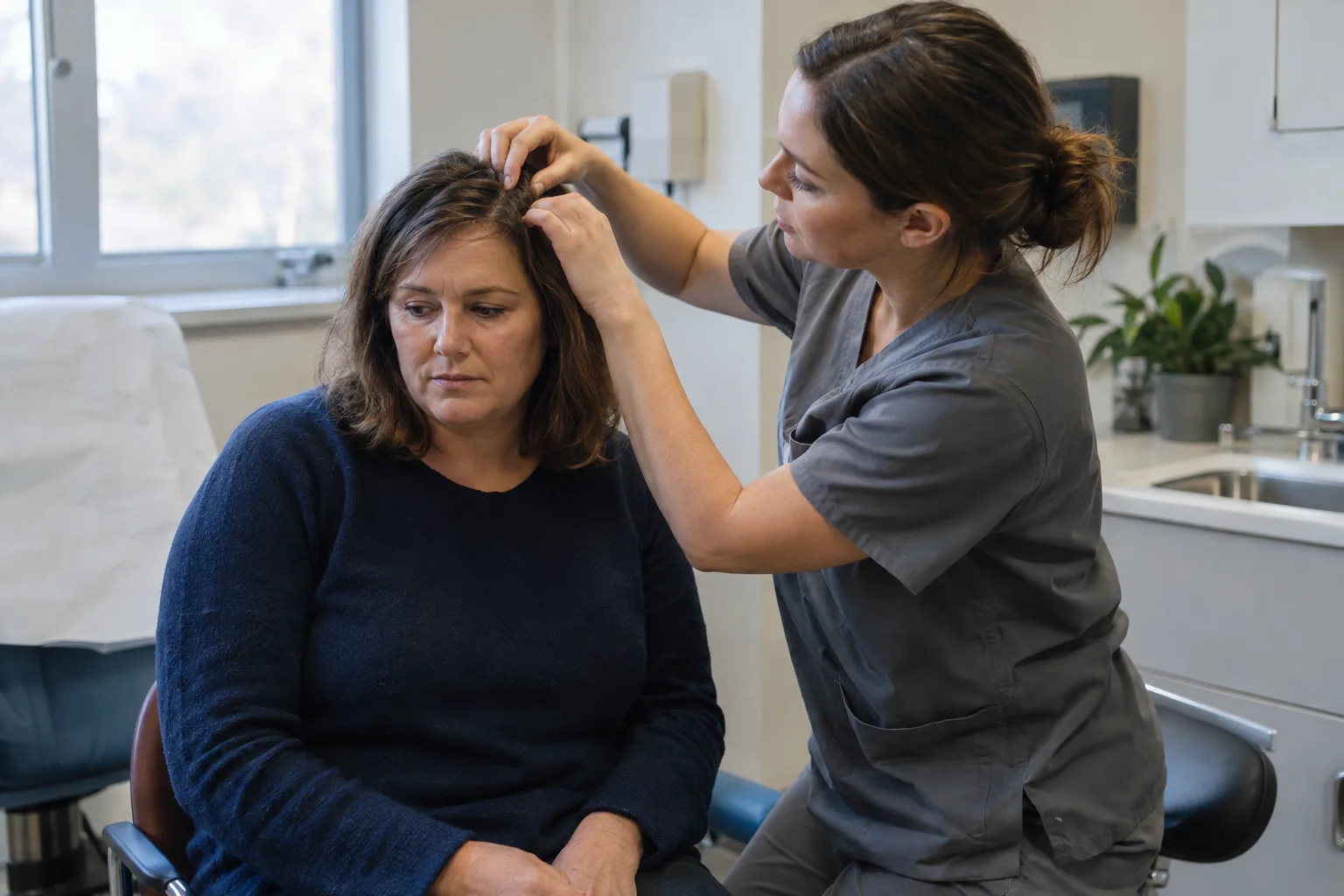
A GP may examine the scalp and arrange targeted tests where the history suggests iron deficiency, thyroid disease or another medical cause. A dermatologist can assess inflammatory or potentially scarring conditions. Our guide to alopecia types and warning signs explains why distinguishing these causes changes management.
Seek prompt assessment for sudden bald patches, scalp pain, pustules or areas that appear smooth and scarred. Nail lifting with pain, swelling or discharge also needs medical attention. These features should not simply be attributed to weight loss or watched indefinitely.
When telogen effluvium is the explanation, shedding often settles after the trigger resolves, but visible recovery takes months because hair grows slowly. Persistent or worsening thinning needs reassessment rather than a guaranteed recovery date. A prescriber or dietitian can also help someone struggling to maintain adequate nutrition during treatment.
Why this matters
For UK patients, hair changes can affect confidence even when treatment is improving other aspects of health. Access to the right assessment matters more than buying products aimed at an assumed cause. Speak to a GP or prescriber if shedding persists, food intake becomes difficult or scalp symptoms develop; a dermatologist can investigate disease, while a suitably qualified trichologist may support hair-care advice. Understanding the signs of male pattern baldness can also help people recognise when gradual thinning may be a separate issue.
Common questions
- Do GLP-1 medicines cause hair loss?
- Hair loss is reported during GLP-1 treatment, but these surveys cannot prove the medicines caused it. Weight loss, reduced nutrient intake and other hair or scalp conditions may contribute.
- How common was hair loss in the GLP-1 study?
- Unusual hair loss was reported by 50% of users and 34% of nonusers. These survey figures describe the participants, not the likelihood that someone starting treatment will develop hair loss.
- Why does hair shed after weight loss?
- Substantial weight loss can trigger telogen effluvium, where more hairs enter the resting phase before shedding. Reduced food intake may also contribute if it leads to inadequate nutrition.
- Is hair loss after weight loss permanent?
- Telogen effluvium is often temporary once the trigger resolves, although visible recovery takes months. Persistent thinning, bald patches or scalp discomfort need assessment because another condition may be involved.
- Can GLP-1 medicines make nails detach?
- Users reported more nail detachment, but a direct drug effect is unproven. The association nearly disappeared when researchers counted only problems that began after treatment started.
- Should I stop my GLP-1 medicine if my hair falls out?
- Do not stop treatment independently because of shedding; discuss it with your prescriber. They can assess possible causes and weigh your symptoms against the medicine’s benefits.
- Should I take supplements for GLP-1 hair loss?
- Supplements are not automatically needed. A clinician can review your diet and consider tests for suspected deficiencies; excessive amounts of some nutrients can be harmful.
- When should I see a doctor about an itchy scalp and shedding?
- Arrange an assessment if itching, redness or scaling persists alongside shedding. Seek prompt advice for scalp pain, pustules, sudden bald patches or areas that look scarred.
Sources
- Healthline: Ozempic: Unusual GLP-1 Side Effects Include Detached Nails, Hair Loss
- nypost.com: GLP-1s linked to a gross side effect in nails: study
This article was written by Thicker Thinking using the sources listed above. It is for general information and is not medical advice. Speak to your GP, a dermatologist or a qualified trichologist about your own situation.