Treatments in the News
Olaplex lawsuit over hair loss: what the claims say
Thirty women allege Olaplex products caused hair loss and scalp issues; the brand rejects this and says its formulations are safe and tested.
By the Thicker Thinking Editorial Team
Published · Updated · 5 min read
Quick answerThirty women in the US have sued Olaplex, alleging its products caused hair loss and scalp problems. Olaplex denies the claims, says its formulas are tested, and states there are many non‑product causes of hair loss.
Timeline
January 2022
Olaplex says it had already stopped selling products with lilial in the UK and EU.
March 2022
The EU ban on lilial, a fragrance linked to fertility concerns, took effect.
9 February 2023
A lawsuit was filed in the US alleging Olaplex products caused hair loss and scalp injury.
Olaplex is facing a lawsuit in the United States from customers who say the brand’s products damaged their hair, according to The Independent. The company rejects the allegations and maintains its products are safe and tested.
The case draws attention to a long‑running tension in beauty: consumers expect visible repair from haircare, yet breakage, scalp irritation and shedding can have many causes unrelated to one brand or product. Dermatologists generally emphasise careful assessment before drawing conclusions.
What happened
According to The Independent, thirty women filed a complaint on 9 February alleging hair loss, breakage, bald patches and scalp irritation after using Olaplex products.
The plaintiffs are seeking more than $75,000 in damages and are also pursuing punitive damages to deter similar behaviour, the outlet reported.
One plaintiff described noticing increased hair exposure on the scalp after two months of using the brand’s shampoo, conditioner and clarifying shampoo, as reported by US television.
The complaint cites dryness and brittleness as outcomes of use, contrasting with the brand’s marketing claims of strengthening and repair, The Independent noted.
Olaplex told The Independent it has confidence in its formulations and that its products are “safe and effective,” while pointing to numerous other reasons people can experience hair loss.
The company also highlighted that it has published independent third‑party test results on its website and that it intends to defend the case robustly, according to The Independent.
Retail distribution via large beauty chains and intensive social media promotion have helped drive Olaplex’s popularity, which magnifies the attention on any safety questions raised in court.
In a related regulatory development, the EU banned the fragrance ingredient lilial in March 2022 due to fertility concerns; Olaplex said it removed lilial from its No.3 Hair Perfector globally.
Olaplex stated it had already stopped selling products using lilial in the UK and EU from January 2022, describing lilial as a former fragrance component rather than an active repair ingredient.
While the lawsuit focuses on alleged hair loss and scalp harm, no recall was announced by the company, and it continues to stand by its safety testing, The Independent reported.
The background
Hair loss can result from a range of conditions including telogen effluvium (stress‑related shedding), androgenetic alopecia (pattern hair loss) and alopecia areata (autoimmune hair loss). Our guide to scalp conditions that cause hair loss explains how clinicians sort these apart.
Dermatologists generally distinguish hair shedding from hair breakage. Shedding shows full hair bulbs at the root; breakage leaves shorter, snapped fibres. Drying or clarifying products can increase fragility in some hair types, which may be mistaken for true hair loss.
Allergic contact dermatitis (skin allergy) and irritant dermatitis can also lead to itching, burning or flaking. Persistent scalp inflammation can worsen breakage and may trigger temporary shedding, according to dermatology best practice.
Health events can influence hair cycles. Illness, major stress, significant weight change, and some medicines can push hairs into a resting phase, leading to increased shedding months later. We cover this in our explainer on drug‑induced hair loss.
COVID‑19 infections have been linked with short‑term shedding in some people due to systemic stress on the body. Dermatologists often encourage patients to share recent medical history when investigating sudden hair changes.
Fragrance bans such as the EU’s decision on lilial relate to reproductive toxicity classifications and not specifically to hair loss. Ingredient removals for regulatory reasons may occur even when a company disputes any direct link to shedding or breakage.
From a consumer‑care perspective, patch testing on the forearm or behind the ear before first use can help spot potential irritation. If stinging, redness or itching occur on the scalp, specialists advise stopping the product and seeking advice.
People exploring at‑home treatments should be cautious with strong actives and aggressive tools. Our review of hair loss risks from popular at‑home treatments outlines where overuse can backfire.
Scalp infections and folliculitis (inflamed follicles) can also cause tenderness and shedding. If there is pain, swelling or pustules, a GP or dermatologist should assess. See our piece on folliculitis and hair loss for signs to watch.
Hair loss can affect mental wellbeing. Anxiety about sudden changes, regardless of cause, is common, and support matters. Our feature on the psychological effects of hair loss discusses coping strategies and when to seek help.
What people are saying
Olaplex told The Independent that there are numerous medical and lifestyle reasons for hair loss, including post‑viral effects, medications and skin conditions, and that customers with ongoing breakage should consult professionals.
The company also said complaints occur across the haircare category and described its intention to contest what it calls baseless allegations, according to The Independent.
Counsel for the plaintiffs said they are seeking punitive damages in addition to compensation for injuries, signalling a case that aims to challenge alleged corporate conduct.
One plaintiff speaking to US television described noticing increased scalp exposure outdoors within weeks, suggesting a change noticeable in day‑to‑day life.
Dermatologists generally advise anyone seeing rapid changes—such as clumps in the shower, widening parting, new bald patches, scalp burning or pain—to seek medical assessment rather than relying on product changes alone.
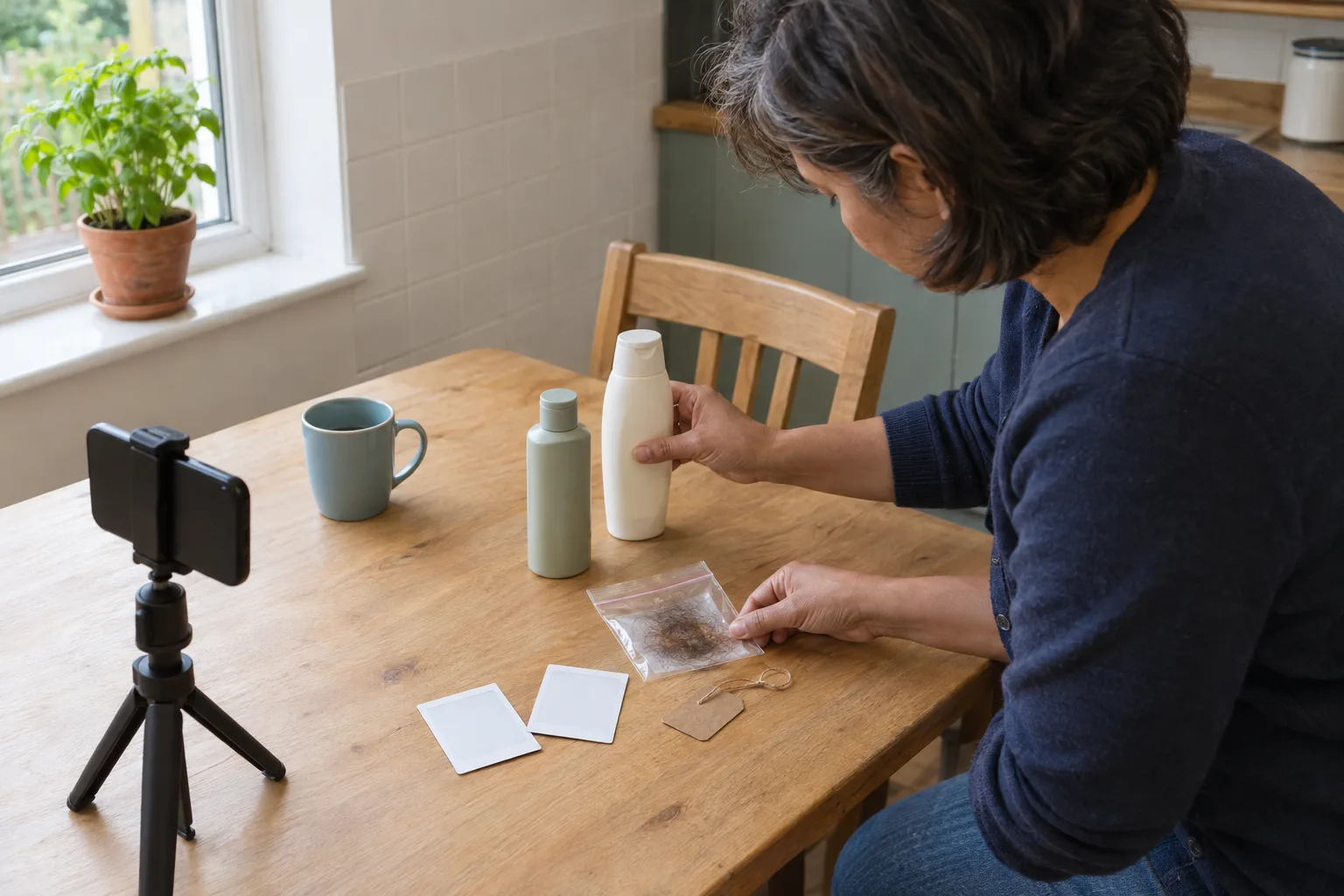
Clinicians often recommend documenting symptoms with date‑stamped photos, keeping used bottles, and noting batch numbers and ingredient lists. Such records can help both medical assessment and any consumer complaint.
For suspected cosmetic reactions in the UK, consumers can raise issues with the retailer and manufacturer and seek support from Trading Standards via the Citizens Advice consumer service. Keeping receipts, packaging and timelines can aid investigations.
What happens next
The case will move through US civil court procedures. Potential outcomes include dismissal, settlement or trial; timelines vary and depend on filings, evidence and any consolidation with other claims.
Olaplex has said it will defend its position and continues to publish testing summaries online. Independent verification and expert testimony are likely to be central if the case proceeds to substantive hearings.
For UK consumers worried about a reaction, specialists typically suggest stopping the suspected product and booking a GP or dermatology appointment to assess scalp health and exclude other medical causes.
Bringing the full haircare routine, a list of recent illnesses or new medications, and any photos of hair accumulation can help clinicians judge whether the issue is shedding, breakage or a scalp disorder.
People who feel a product caused a reaction can contact the brand’s customer care, the retailer and, where appropriate, seek advice from Citizens Advice. Documenting symptoms and preserving the product can support any inquiry.
If hair loss relates to an underlying condition, treatment may target the cause rather than the cosmetic routine. Identifying triggers early often improves outcomes and may prevent unnecessary product cycling.
Until the lawsuit is resolved, there is no change to UK buying advice beyond general consumer safety steps. Anyone experiencing persistent loss, pain, scaling or bald patches should seek tailored medical guidance.
Related: Best at-home laser hair removal devices in 2026: what editors found
Why this matters
Legal claims about popular hair products can be worrying if you’re already dealing with shedding or scalp symptoms. While this case plays out, the practical next step is to focus on diagnosis and scalp health. If you notice rapid shedding, bald patches, scalp pain or irritation, speak to a GP, dermatologist or trichologist. Keep product packaging and timelines, and consider known triggers like illness, stress and medicines. Our guide to scalp conditions that cause hair loss explains what clinicians look for and when treatment helps.
Common questions
- what is the olaplex lawsuit about
- Thirty women allege Olaplex products caused hair loss, breakage, bald spots and scalp irritation. They filed the case on 9 February and are seeking compensation and punitive damages.
- how many people are suing olaplex
- According to The Independent, thirty women are plaintiffs in the lawsuit alleging hair loss and scalp injury linked to Olaplex products.
- did olaplex remove lilial and why
- Yes. The EU banned the fragrance lilial in March 2022 over fertility concerns. Olaplex says it removed lilial from No.3 globally and had already stopped selling lilial products in the UK and EU by January 2022.
- does olaplex say its products cause hair loss
- No. Olaplex told The Independent its products are tested and do not cause hair loss, adding there are many non‑product causes of hair shedding.
- is there proof olaplex causes hair loss
- The case is ongoing. The plaintiffs allege harm; Olaplex denies causation and cites testing. Court proceedings and expert evidence will determine whether the claims are upheld.
- can shampoo actually cause hair loss
- Shampoos can contribute to breakage or scalp irritation in some people, which may mimic hair loss. True shedding usually has medical, hormonal or stress‑related triggers and needs clinical assessment.
- what should i do if i think a product caused hair loss
- Stop using the product and seek advice from a GP or dermatologist. Keep packaging, note batch numbers and dates, photograph symptoms, and contact the retailer and manufacturer.
- how do i tell hair breakage from shedding
- Shedding shows full bulbs at the hair root, often after stress or illness. Breakage leaves snapped, shorter hairs and may follow dryness, over‑processing or irritation.
Sources
- The Independent: Olaplex customers file lawsuit blaming shampoo for hair loss | The Independent
- reddit.com: Help with fine : r/AusLegal
This article was written by Thicker Thinking using the sources listed above. It is for general information and is not medical advice. Speak to your GP, a dermatologist or a qualified trichologist about your own situation.