Real Stories
Louis Theroux alopecia update: hair loss now affecting eyebrows
The broadcaster says his alopecia has “migrated” to an eyebrow and is sharing updates so fans are not surprised by changes to his appearance.
By the Thicker Thinking Editorial Team
Published · Updated · 5 min read
Quick answerAccording to The Independent, Louis Theroux says his alopecia has started affecting an eyebrow. He hopes to keep his eyebrows and has begun taking vitamin D and biotin, though results are uncertain.
Louis Theroux has told followers his alopecia is now affecting one of his eyebrows. According to The Independent, he shared an Instagram update to prepare people for changes to his look and said he hopes to keep his brows if possible.
He added that he has started taking vitamin D and biotin but accepts he cannot control what happens next. Earlier this year he also showed patchy facial hair growth, describing a small triangle of beard stubble remaining around his mouth.
What happened
The Independent reports the documentary maker posted a selfie on Tuesday saying the condition had “migrated” to his eyebrow. He said he wanted to “forewarn” fans so any new appearance in public would not come as a surprise.
He wrote that he would “really like to keep my eyebrows,” but noted that the course of his hair loss is not in his hands. He has begun vitamin D and biotin, two supplements commonly discussed online in relation to hair.
Earlier this year he discussed beard changes, saying only limited patches were growing. That pattern, with islands of hair and gaps, is typical when alopecia areata affects the beard area.
Alopecia areata is an autoimmune condition in which the immune system mistakenly targets hair follicles, often causing smooth, well‑defined patches of hair loss. It can involve the scalp, beard, eyebrows and eyelashes, and can come and go.
The background
Eyebrow involvement in alopecia areata is not rare and can occur alongside scalp or beard patches or on its own. Dermatologists describe the condition’s course as unpredictable, with episodes that may clear and recur in different areas.
People often talk about alopecia “moving,” but specialists explain that immune activity can flare in new spots while earlier areas either regrow or remain thin. This shifting pattern can make the experience feel like the condition is migrating around the face.
Regrowth does occur for many people, although timing varies widely. Hairs may initially return fine and colourless before thickening, and some patches can stay resistant for longer.
Several triggers are reported by patients around the time hair falls, including illness, major stress and life changes. Emerging research in animals suggests stress can prime immune pathways linked to hair loss, though human evidence is still developing. We covered this in our report on a study linking stress, hair loss and immune ‘memory’ in mice.
Vitamin D deficiency is relatively common in the UK, particularly in winter, and has been associated with alopecia areata in observational studies. However, supplementation has not yet shown consistent benefit for regrowth unless a deficiency is confirmed.
Biotin (vitamin B7) supports keratin production in people with true deficiency, which is rare in the UK. For those with normal biotin levels, dermatologists say supplementation has not been proven to restore hair in alopecia areata.
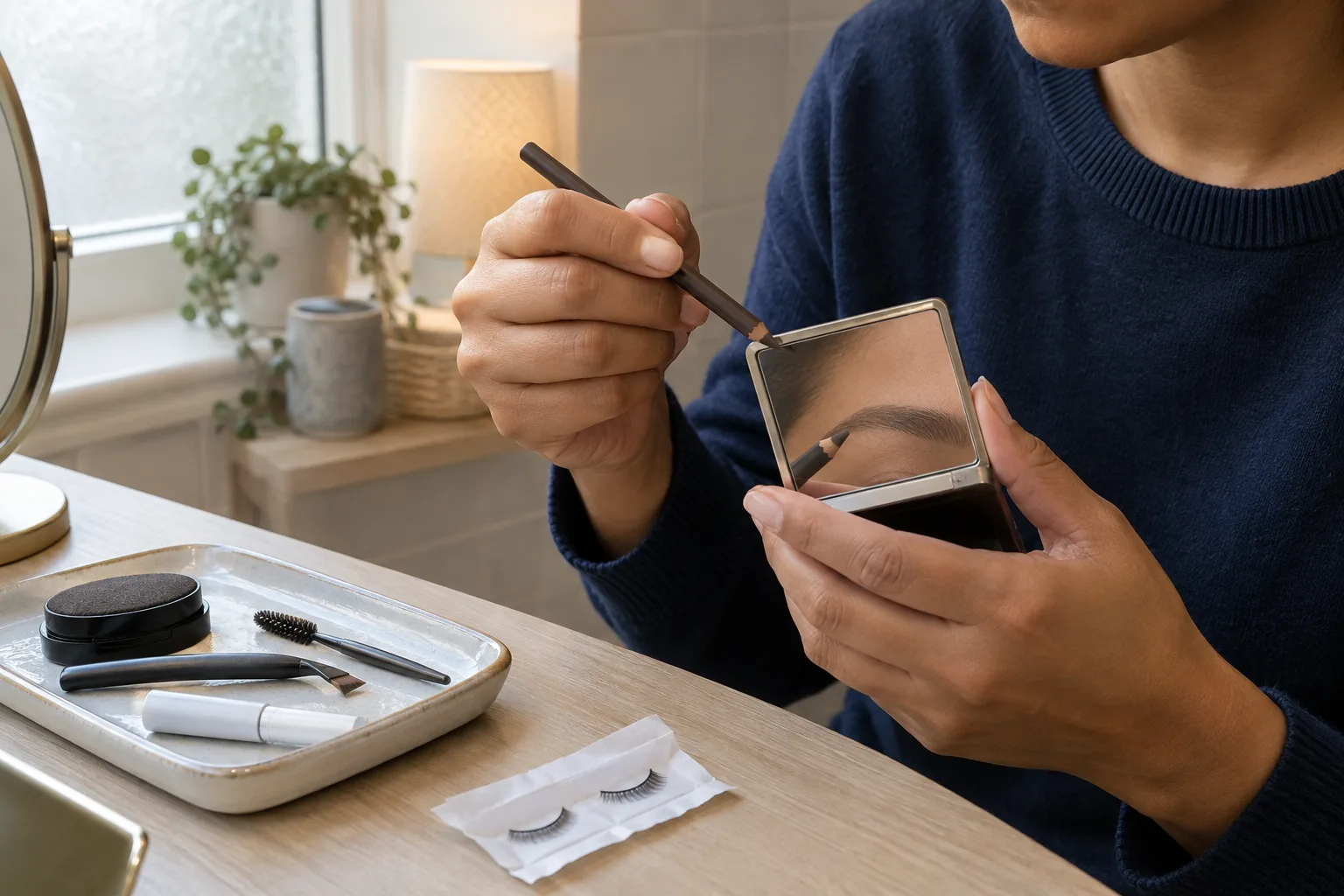
For practical day‑to‑day appearance, simple brow pencils or powders can soften the look of gaps. Semi‑permanent cosmetic options like microblading are sometimes considered, but many clinicians recommend waiting until the condition is stable to avoid tattooing over areas that may soon regrow.
If alopecia areata spreads or becomes extensive, this can take a toll on confidence. Some people find it helpful to connect with others who have lived experience, or to hear from public figures who speak openly. We recently reported on a contestant with alopecia universalis removing her wig on stage, highlighting the value of visibility and support.
What people are saying
Dermatologists generally advise getting a clinical diagnosis when eyebrow loss appears, to distinguish alopecia areata from other causes such as over‑plucking, eczema, seborrhoeic dermatitis, fungal infection, thyroid disease, nutritional deficiency or self‑pulling (trichotillomania).
Specialists often start with a careful history, a scalp and brow examination, and sometimes blood tests to check for thyroid issues, iron status and vitamin D. A dermatoscope (a skin microscope) can help spot hallmark signs of alopecia areata, such as exclamation‑mark hairs.
Treatment is tailored to the pattern and extent of loss. For small eyebrow patches, clinicians may offer topical corticosteroids or consider targeted steroid injections delivered by an experienced practitioner to calm inflammation around affected follicles.
Topical immunotherapy and off‑label topical JAK inhibitor creams are being studied for brows and lashes, but published evidence remains limited. Dermatologists stress that benefits and risks should be weighed carefully, and treatments should be provided by qualified professionals.
For people with wider involvement, oral JAK inhibitors are an option under specialist care. In the UK, the NHS has backed one JAK inhibitor, deuruxolitinib, for severe scalp alopecia areata in adults; our explainer details who may be eligible and precautions in the NICE approval of deuruxolitinib.
Supplements are a frequent first step for many, but dermatologists generally advise confirming any deficiency before starting them. This avoids unnecessary tablets and ensures attention is focused on proven options for alopecia areata.
Styling and camouflage can help during regrowth. Gentle grooming, avoiding harsh plucking or waxing of remaining hairs, and using soft pencils can minimise further breakage or irritation. For scalp involvement, some people explore cuts that add volume; see our guide to haircuts that make thin hair look fuller.
Emotional support is part of care. Clinicians encourage people to seek help if mood, sleep or social life are affected, as managing the uncertainty of alopecia can be as important as treating the follicles.
What happens next
Theroux’s update underscores how changeable alopecia areata can be. Eyebrow patches may stabilise, expand or regrow over time, and the same person can experience different patterns across months or years.
Anyone noticing sudden brow thinning or discrete bald patches should speak to a GP, dermatologist or trichologist for assessment. Early review can confirm the cause and open up options, from watchful waiting to active treatment, depending on the pattern and severity.
People already managing alopecia areata can discuss whether clinic‑based therapies for brows are suitable, what signs suggest activity is calming, and when cosmetic steps like microblading might be timed more safely.
Research continues into targeted treatments that modulate the immune response around hair follicles, including combinations and new topical approaches. Our round‑up of new guidance and trial results in alopecia areata explains areas to watch and how access is evolving in the UK.
In the meantime, day‑to‑day strategies—protecting delicate brow hairs, using gentle camouflage, and getting support—can make a meaningful difference while the condition runs its course.
Related: Olaplex lawsuit over hair loss: what the claims say
Related: Ashley Tisdale says stress linked to her alopecia areata
Why this matters
Eyebrows frame the face, so losing them can feel more exposing than scalp shedding. Public figures being open about alopecia can reduce stigma and prompt timely checks. If you notice patchy brow loss or sudden changes, a GP, dermatologist or trichologist can confirm the cause, discuss treatments, and suggest safe cosmetic options. Our overview of alopecia areata signs and regrowth may help you prepare for that conversation.
Common questions
- what did louis theroux say about his eyebrows
- He said his alopecia has started affecting an eyebrow, according to The Independent, and that he hopes to keep his eyebrows if possible.
- did louis theroux have beard hair loss before
- Yes. Earlier this year he shared patchy beard growth with only small areas of stubble remaining around his mouth.
- what type of alopecia affects eyebrows
- Alopecia areata can affect eyebrows, lashes, scalp and beard, causing smooth, well‑defined patches of hair loss due to immune attack on hair follicles.
- can biotin or vitamin d regrow eyebrows in alopecia areata
- Not reliably. Vitamin D or biotin may help only if you are deficient. Dermatologists advise testing first, as evidence for regrowth otherwise is limited.
- can alopecia move from the beard to the eyebrows
- It can appear in new areas while others improve. Dermatologists describe alopecia areata as unpredictable, with episodes that may shift around the face and scalp.
- when should i see a gp about eyebrow hair loss
- See a GP if you notice sudden patches, widening gaps or changes alongside itching, redness or other symptoms. Early assessment helps confirm the cause and options.
- are there nhs treatments for severe alopecia areata
- Yes. The NHS has backed the JAK inhibitor deuruxolitinib for severe scalp alopecia areata in adults, accessed through specialist care after discussion of risks and benefits.
- is microblading safe if i have eyebrow alopecia areata
- It may be considered when the condition is stable, but many clinicians advise waiting and discussing timing with a dermatologist to avoid tattooing over active patches.
Sources
- The Independent: ‘I’d like to keep my eyebrows’: Louis Theroux shares update as alopecia ‘migrates’ | The Independent
- thehill.com: Joe Manchin endorses Matthew McConaughey's call for independent candidates
This article was written by Thicker Thinking using the sources listed above. It is for general information and is not medical advice. Speak to your GP, a dermatologist or a qualified trichologist about your own situation.