Research and Studies
Hair pulling and skin picking common in young people, study finds
UK survey finds body‑focused repetitive behaviours are widespread in 11–18 year‑olds and often linked with anxiety, depression and bullying.
By the Thicker Thinking Editorial Team
Published · Updated · 6 min read
Quick answerA large UK school survey reports that nail biting, skin picking and hair pulling affect many 11–18 year‑olds, and often cause distress. Hair pulling and skin picking were linked with higher distress than nail biting.
Body‑focused repetitive behaviours (BFRBs) such as nail biting, skin picking and hair pulling appear common and often upsetting for school‑age young people in England, according to Medical Xpress and jen.jiji.com. The new analysis, drawn from the OxWell Student Survey and published in BMJ Mental Health, points to strong links with low mood and bullying.
The survey suggests nail biting is the most frequently reported habit, while hair pulling and skin picking—although less common—are associated with greater distress for the pupils who experience them. Researchers say these behaviours merit earlier recognition and support in schools and healthcare.
What happened
Researchers analysed responses from more than 5,400 students aged 11–18, mainly in Oxfordshire and Liverpool, who completed questions on BFRBs as part of the wider OxWell Student Survey. Pupils who reported these behaviours rated how upsetting they were on a scale from “not at all” to “a great deal”.
Overall, 58.5% of the sample reported at least one BFRB, indicating these behaviours are widespread in secondary school settings. Thirteen percent of all respondents described their BFRBs as causing “quite a lot” or “a great deal” of distress.
Nail biting was reported by 43.6% of students, skin picking by 31.3% and hair pulling by 14.5%. Among those who engaged in BFRBs, 17.6% reported two or more behaviours rather than just one.
Distress levels differed across behaviours. Hair pulling was associated with distress in 37% of those who pulled, skin picking in 29%, and nail biting in 11%, suggesting that pulling and picking may have a stronger emotional impact than biting.
Patterns varied by gender identity. Girls and transgender or gender‑diverse young people were substantially more likely than boys to report both the behaviours and notable distress. Around one in four transgender or gender‑diverse pupils and one in six girls reported distressing BFRBs, compared with roughly one in 18 boys.
Mental health and social adversity appeared closely linked. Over a third of young people with anxiety and depression (34%) reported distressing BFRBs, as did 27% of those who had experienced bullying, underlining the value of pastoral support alongside clinical care.
Neurodivergent pupils also featured in the findings. About one in five young people identifying as autistic or having ADHD reported distressing BFRBs—around double the rate of those without these conditions—but researchers said this difference was largely explained by higher emotional distress and bullying, rather than neurodivergence itself.
The OxWell Student Survey runs every two years, with findings fed back to participating schools and local authorities. The goal is to help shape school policy, guide local education and mental health planning, and inform national policy on pupil wellbeing.
The background
BFRBs describe repeated actions focused on the body—most commonly nail biting, skin picking (sometimes called excoriation) and hair pulling (trichotillomania). These behaviours range from mild habits to persistent urges that can cause soreness, skin damage or noticeable hair loss.
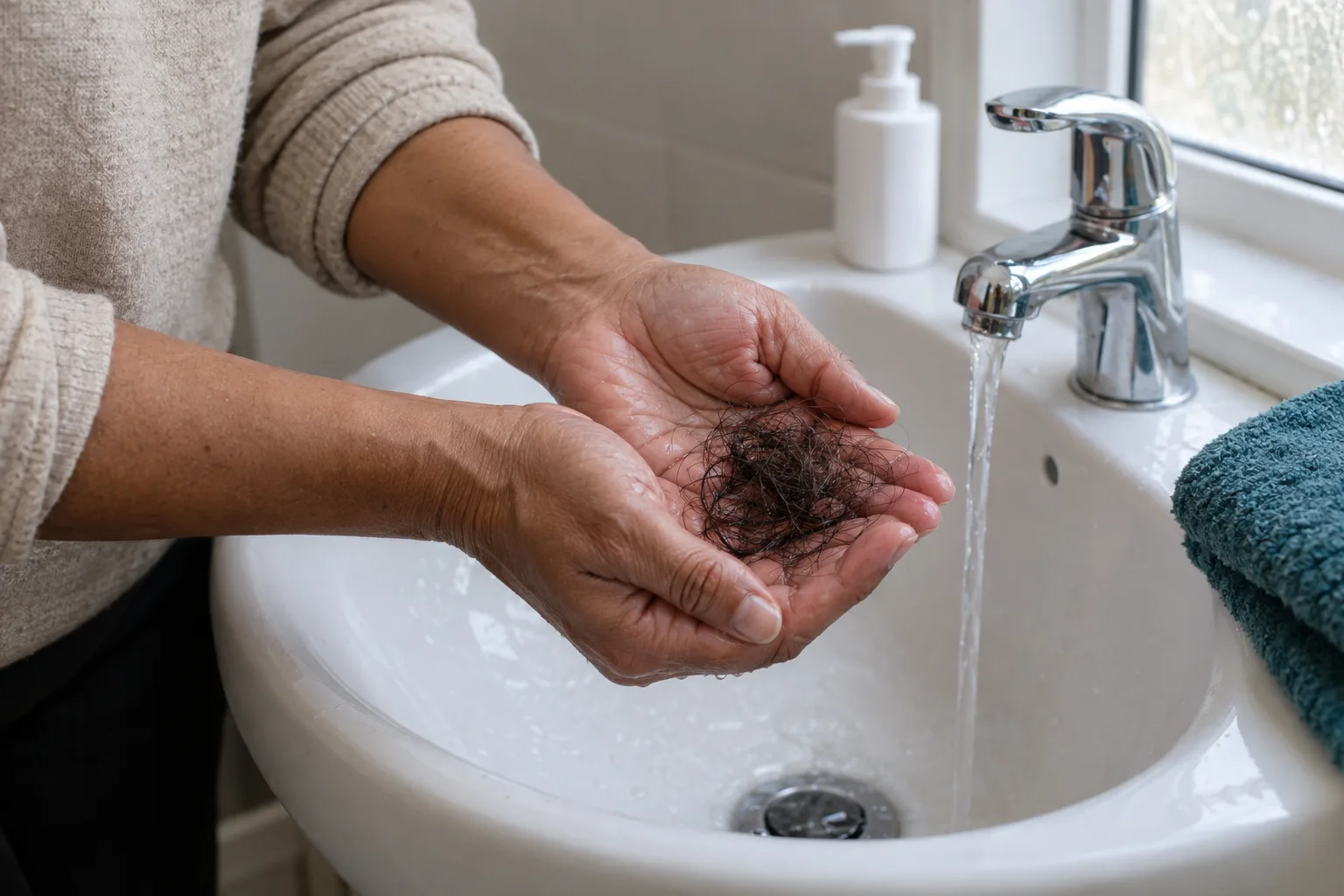
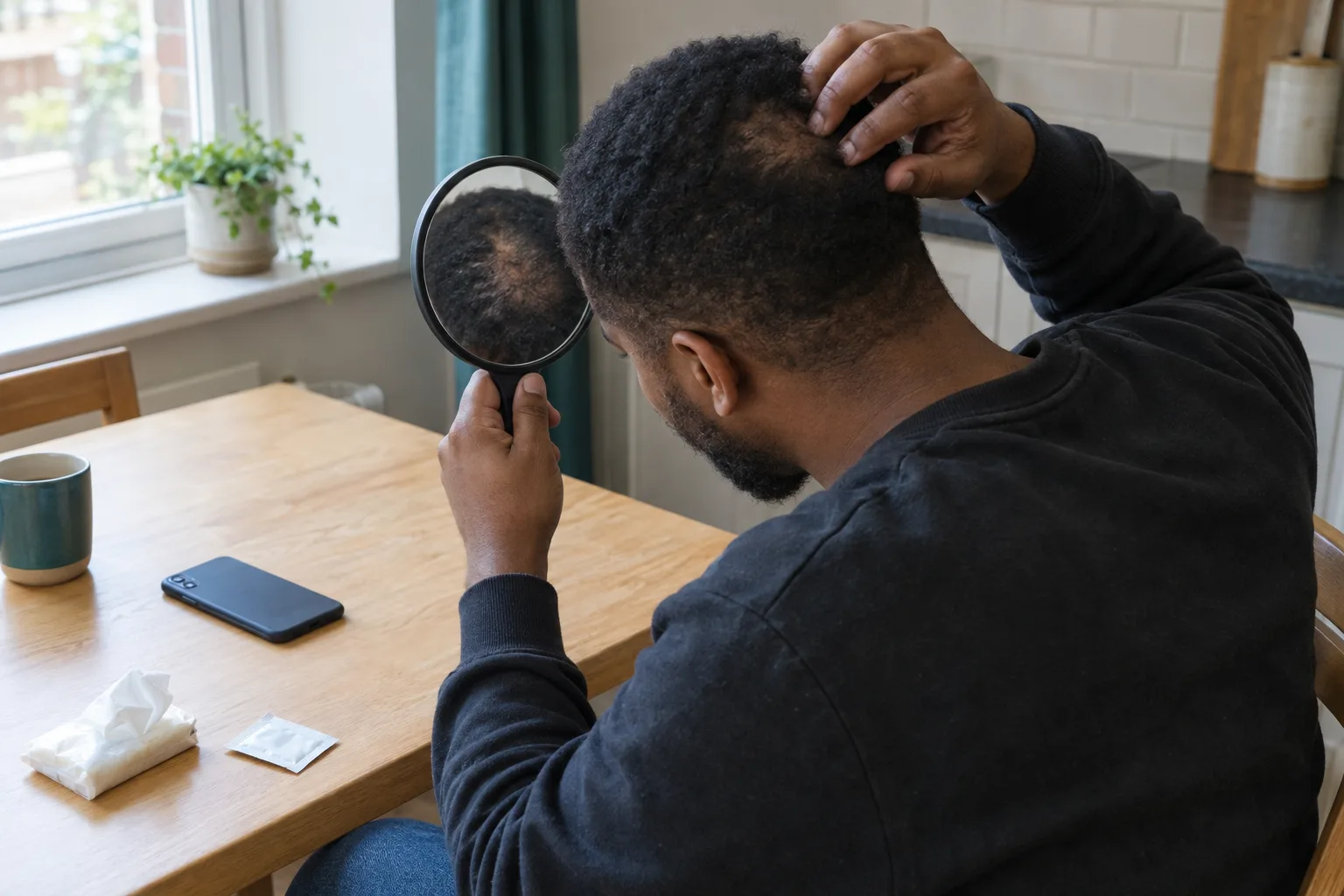
In trichotillomania, repeated pulling from the scalp, eyelashes or eyebrows can lead to patchy hair loss, broken hairs and discomfort. Some young people try to hide affected areas, and may avoid haircuts, sport or swimming, which can amplify distress and reduce social participation.
A recent qualitative study involving 12 adolescents explored why hair pulling can be so hard to stop. Interviews suggested shame was a persistent feeling that could trigger, maintain and worsen pulling, adding a psychological layer to the habit and making it more entrenched over time.
Dermatologists generally advise early assessment when BFRBs cause pain, infection, bleeding or hair loss, both to confirm the diagnosis and to rule out other scalp or skin conditions that can mimic damage from pulling or picking.
Behavioural therapies are often used to help manage BFRBs. Techniques such as habit reversal training and cognitive‑behavioural strategies aim to increase awareness of urges, build alternative responses and reduce environmental triggers that keep the behaviour going.
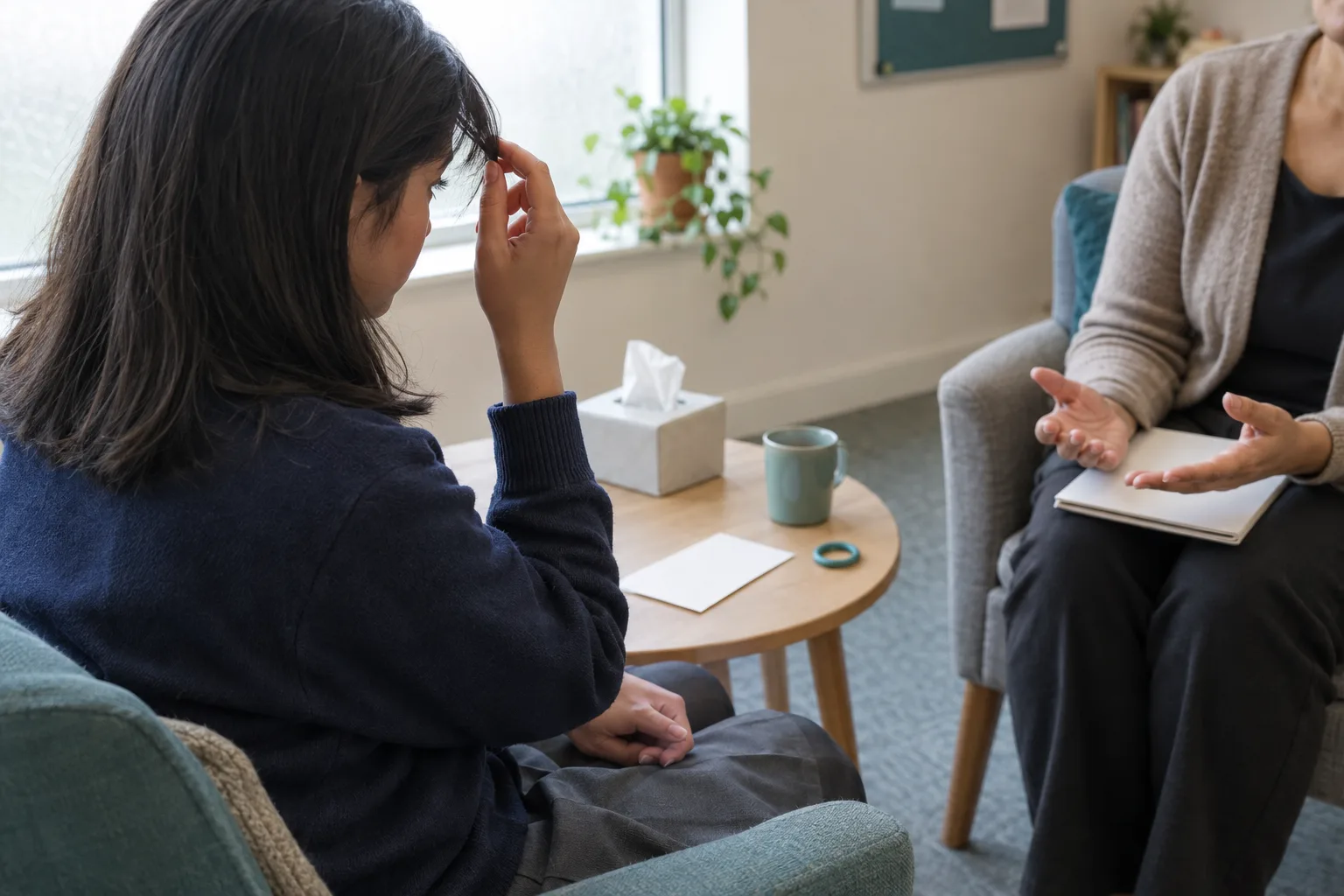
Schools and families can play a practical role by addressing stressors, tackling bullying promptly and offering gentle, non‑judgemental support. Some young people find it helpful to reduce access to target areas, use discreet fidget objects, or plan brief breaks when urges peak.
Where hair has been thinned by pulling, clinicians may recommend gentle scalp care and temporary camouflage approaches while treatment for the underlying behaviour gets underway. A trichologist or dermatologist can advise on protecting the scalp and supporting regrowth once pulling reduces.
Stress‑related hair problems can also arise without pulling. Shedding called telogen effluvium can follow illness, a major stressor or nutritional change and usually improves as triggers settle. Our explainer on the psychological effects of hair loss outlines how low mood and anxiety can interact with hair concerns.
Early science is mapping how stress may influence hair biology. A mouse study we covered on stress, immune ‘memory’ and hair highlights possible pathways, though animal findings do not directly translate to people. For human shedding patterns, see our guide to telogen effluvium and the six‑month decision point.
If you are unsure whether hair loss is due to pulling or another cause, a clinician can examine the scalp and review symptoms. Our overview of scalp conditions that cause hair loss and next steps explains common signs doctors look for during assessment.
What people are saying
The research team stressed the need to spot and support BFRBs earlier in schools and health services, pointing to clear links with emotional distress and bullying in the students surveyed.
Lead author Clare Mackay said, “BFRBs aren’t simply bad habits.” According to Medical Xpress and jen.jiji.com, she and colleagues emphasised that asking about pulling, picking or biting that causes upset can open useful conversations.
Clinicians who work with BFRBs often recommend simple screening questions when young people present with low mood, anxiety or reports of bullying, so that distressing grooming behaviours are not missed during appointments.
Dermatologists and trichologists generally advise seeking help when these behaviours lead to visible hair loss, breaks in the skin, infections, sleep disruption or impact on school or social life, with GPs well placed to coordinate referrals.
Many patient groups report that neutral language, privacy and practical advice during school or clinic visits can reduce shame and increase willingness to try strategies that make urges more manageable over time.
What happens next
The OxWell findings will be shared with participating schools and local decision‑makers to inform pastoral policies, anti‑bullying work and signposting to evidence‑based psychological therapies suitable for BFRBs.
Future research priorities include following students over time to understand how BFRBs change with age, testing school‑based prevention and support programmes, and identifying why some patterns of pulling or picking become entrenched while others resolve.
Parents and carers may find it helpful to notice repetitive grooming habits that cause distress, ask about mood and school experiences, and keep discussions calm and non‑judgemental so young people feel safe to describe urges and triggers.
Anyone affected can speak to a GP about local mental health services and, if needed, dermatology or trichology input when the scalp or skin is damaged. Earlier support may limit the risk of infection, scarring and prolonged distress.
For readers also experiencing increased shedding during stressful times, it is worth distinguishing hair pulled out by hand from stress‑related shedding such as telogen effluvium, as the management and outlook differ.
Related: Long Covid adds hair loss and erectile problems, study finds
Why this matters
For families dealing with hair pulling, this research underlines that many young people experience body‑focused behaviours and that distress often travels with bullying or low mood. Early, non‑judgemental conversations and timely referrals can help. If there is visible hair loss, scalp damage, infection or worry that does not settle, speak to a GP, dermatologist or trichologist. Our guide to the psychological effects of hair loss explains how support for mood and stress can make hair concerns easier to manage.
Common questions
- how common is hair pulling in young people
- In this UK school survey, 14.5% of 11–18 year‑olds reported hair pulling. Hair pulling was less common than nail biting and skin picking but linked with higher distress.
- what are body‑focused repetitive behaviours
- They are repeated actions focused on the body, such as nail biting, skin picking and hair pulling. They can range from mild habits to urges that cause distress or harm.
- which behaviours caused most distress in the study
- Hair pulling and skin picking were linked with more distress than nail biting. Distress was reported by 37% of pullers and 29% of pickers, versus 11% for nail biting.
- who is most affected by distressing bfrbs
- Girls and transgender or gender‑diverse young people reported more distressing behaviours than boys. Roughly one in four transgender or gender‑diverse pupils reported distressing BFRBs.
- are bfrbs linked to anxiety depression or bullying
- Yes. Distressing behaviours were more common among students with anxiety and depression (34%) and among those who had experienced bullying (27%).
- are autistic or adhd youths more likely to have distressing bfrbs
- About one in five autistic or ADHD young people reported distressing BFRBs, around twice the rate of others. Researchers said the gap reflects higher distress and bullying exposure.
- what did the oxwell student survey examine
- It surveyed over 5,400 students aged 11–18 in England on nail biting, skin picking and hair pulling, asking how often they occurred and how upsetting they felt.
- does shame play a role in hair pulling
- A qualitative study with 12 adolescents found shame could trigger, maintain and worsen hair pulling, suggesting it is a key emotion to address in support.
Sources
- Medical Xpress: Hair pulling, skin picking and nail biting are common in young people and cause significant distress
- jen.jiji.com: From pulling hair to biting nails, a boom in behaviors indicative of distress among young people | ADNKRONOS | JIJI PRESS
This article was written by Thicker Thinking using the sources listed above. It is for general information and is not medical advice. Speak to your GP, a dermatologist or a qualified trichologist about your own situation.