Real Stories
Alopecia areata: Halifax girl gets 3D prosthetic hair after bullying
An 11‑year‑old in Halifax received a custom CNC hair system after stress‑linked alopecia areata, restoring confidence at school.
By the Thicker Thinking Editorial Team
Published · 6 min read
Quick answerAccording to The Independent, 11‑year‑old Bonnie Pullan from Halifax received a £5,000 custom CNC prosthetic hair system after bullying‑linked alopecia areata. The piece can be worn day and night, with maintenance visits roughly every four weeks.
An 11‑year‑old from Halifax has received a custom, non‑surgical hair system after losing her hair to alopecia areata linked to severe bullying, according to The Independent. The £5,000 CNC medical hair replacement was funded through community donations and an anonymous gift ahead of Christmas.
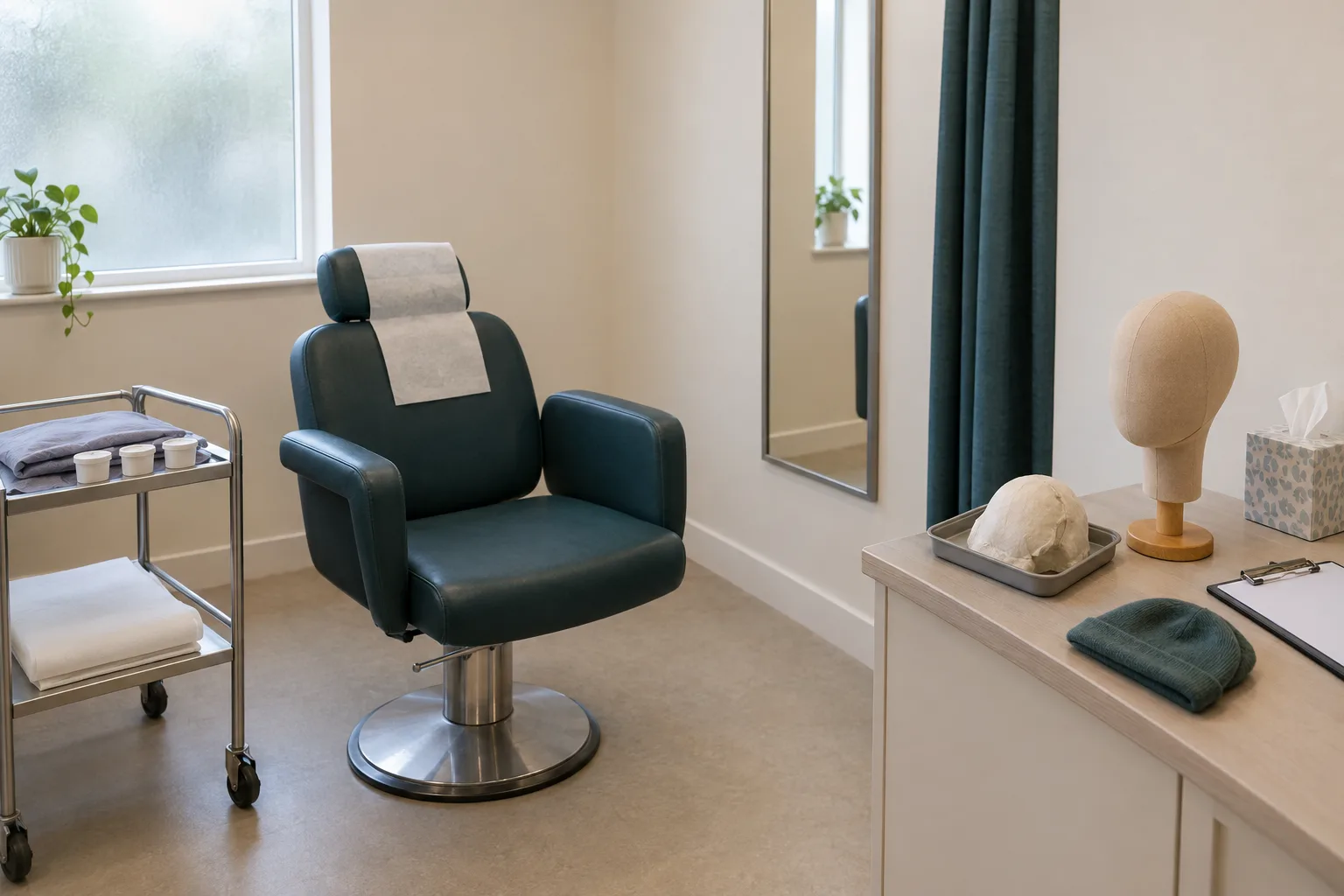
The prosthetic hairpiece is made from a 3D mould of her scalp and fixed with long‑lasting medical adhesive, allowing uninterrupted wear. Her family say it has helped restore confidence at school, in drama classes and at sleepovers, with follow‑up clinic visits planned at around four‑weekly intervals.
What happened
According to The Independent, Bonnie Pullan began shedding hair at seven, when a small bald patch appeared soon after classmates targeted her with ongoing taunts. Doctors diagnosed alopecia areata, and the family linked the onset to stress from bullying.
Her mother reported that despite addressing the harassment, hair regrowth did not follow and her daughter’s anxiety persisted, affecting appetite and mood. Alopecia areata often fluctuates over time, and regrowth can be unpredictable, especially when stress continues.
A local clinic launched a fundraising appeal to pay for a custom CNC system, with the target reached thanks to online donors and a final anonymous contribution. The approach provides an individually cast base designed to match the child’s scalp and hair colour as closely as possible.
The system is attached using adhesive intended for extended wear so it can stay in place continuously, including at school, at activities and overnight. According to The Independent, the clinic will perform complimentary maintenance in a private suite about once every four weeks.
Made from 100% human hair, the piece can be washed and styled similarly to natural hair, according to the clinic’s description reported by The Independent. Her family said being able to treat it like her own hair has been central to restoring normal routines.
Bonnie shared her relief after the fitting, describing the system as comfortable and familiar straight away. As she put it, “I have hair again,” according to The Independent.
The clinic co‑owner told The Independent they regularly see confidence improve in people fitted with a CNC system, and said they plan to keep fundraising for children and young adults with alopecia. They noted that as a child grows, the original 3D cast will eventually need replacing.
The background
Alopecia areata is an autoimmune condition in which the immune system attacks hair follicles, causing patchy hair loss on the scalp and elsewhere. It often starts in childhood or adolescence and can wax and wane, with regrowth in some areas and shedding in others.
Dermatologists generally advise that stress is not the root cause but can act as a trigger or exacerbating factor in susceptible people. Experimental work in animals suggests stress signals can influence immune activity around hair follicles, though human responses vary study linking stress and immune ‘memory’ in mice.
Treatment choices depend on age, severity and pattern of hair loss. Options can include topical or injected corticosteroids, contact immunotherapy, and, in severe cases, newer medicines that target immune pathways known as JAK inhibitors. In the UK, a JAK inhibitor has been recommended on the NHS for severe adult cases NICE backs new alopecia areata treatment.
In children, medical options are more limited and responses can be uneven, so some families explore wigs and prosthetic systems to support confidence while the condition runs its course. Dermatologists generally recommend choosing reputable providers, ensuring good hygiene and scheduling regular scalp checks.
Wigs, toppers and bonded systems do not treat the underlying condition but can offer a practical way to manage appearance and daily life. Many people mix approaches over time, using concealment or prosthetics alongside medical care and mental health support, depending on how their alopecia evolves psychological effects of hair loss.
Stress around visible hair loss can be significant for young people. Schools can help by addressing bullying quickly, providing reasonable adjustments for uniform or head coverings, and supporting attendance at medical or maintenance appointments. Families may also find peer groups and charities useful for shared experiences.
Public figures discussing their own alopecia areata can help visibility and understanding. Awareness of stress as a possible trigger has grown through personal stories from entertainment and sport, though clinicians stress that each case is individual and triggers are not always identifiable stress linked to alopecia areata in celebrity story.
What people are saying
According to The Independent, Bonnie’s family said her confidence returned quickly after the fitting and that wearing the piece continuously reduced her anxiety about it moving or detaching at school. They described seeing her smile among friends at the clinic as a milestone.
The clinic reported that the custom fit aims to create a seamless transition between the prosthetic base and scalp, improving comfort and discretion. They added that fundraising will continue for others while acknowledging that children may outgrow their original casts and need refitting.
Dermatologists generally advise that when considering bonded systems, patch‑testing adhesives can help identify sensitivities, and regular breaks for scalp assessments are sensible if irritation develops. They also suggest checking that providers can offer private fittings and a clear plan for maintenance and removal if needed.
Specialists emphasise that hair systems should be one part of a broader care plan, which can include medical treatment where appropriate, psychological support, and liaison with schools to reduce bullying and stigma. Families are encouraged to ask their GP for referral to dermatology or a trichology service for diagnosis and ongoing review.
People with alopecia choose different ways to manage visibility, from going without cover to wearing wigs or headwear. Stories of self‑expression on public stages have helped normalise both choices—covering and uncovering—within the alopecia community a pageant finalist removing her wig on stage.
What happens next
According to The Independent, Bonnie will attend around four‑weekly clinic appointments for maintenance in a private space and can wash and style the system day to day. The clinic indicated that re‑casting is likely as she grows, to preserve comfort and fit.
For families in similar situations, specialists generally recommend starting with a firm medical diagnosis to confirm the type of hair loss and rule out other scalp conditions. Discussing options early can clarify whether to try medical treatments, concealment, or both, and what to expect over the coming months scalp conditions that cause hair loss.
If distress or school avoidance is developing, GPs can refer for mental health support alongside dermatology care. Practical steps—anti‑bullying plans, permission for head coverings, and flexibility for appointments—can reduce day‑to‑day stress while treatment or hair systems are arranged.
Where severe alopecia areata persists, adults may be eligible for newer medicines through the NHS, and research is ongoing to expand options. Families of children should seek specialist advice on age‑appropriate treatments, as evidence and licensing differ for young people compared with adults.
Hair systems vary in cost, materials and attachment methods, and some NHS services may offer limited support for wigs depending on local policies. Checking maintenance requirements, aftercare costs and scalp‑health monitoring in advance can help families plan for the practicalities over time.
Why this matters
Stories like this highlight the emotional impact of alopecia areata on young people and the role that wigs or prosthetic systems can play alongside medical care. If shedding starts suddenly, or stress and school attendance are affected, it’s worth speaking to a GP for referral to a dermatologist or trichologist. Many families also benefit from mental health support and practical school adjustments while exploring options such as newer treatments for severe alopecia areata.
Common questions
- what is a cnc medical hair replacement system
- It’s a custom prosthetic hairpiece made from a 3D mould of the scalp and secured with medical adhesive. It’s designed for continuous wear and natural styling.
- how much did the cnc hair system cost in this story
- According to The Independent, fundraising covered £5,000 for the custom system and care, supported by an anonymous donor and community contributions.
- can you wear a bonded prosthetic hair system 24 7
- Yes. The system in this story was designed for continuous wear, including overnight and at school, with clinic maintenance about every four weeks.
- does stress trigger alopecia areata in children
- Stress can act as a trigger or exacerbating factor in susceptible people, but alopecia areata is an autoimmune condition and its course is often unpredictable.
- how often are maintenance appointments for this cnc system
- According to The Independent, the clinic arranged complimentary maintenance about every four weeks in a private suite to service the system.
- is alopecia areata permanent in children
- It can be temporary or long‑lasting. Many children see regrowth, but relapses are common and outcomes vary from person to person.
- can you wash and style a cnc hair system like normal hair
- Yes. The clinic said the system uses 100% human hair and can be washed and styled as though it were the wearer’s own hair.
- who should i speak to if my child suddenly loses hair
- Start with a GP to confirm the diagnosis and request referral to a dermatologist or trichologist. Schools can also help with anti‑bullying support and adjustments.
Sources
This article was written by Thicker Thinking using the sources listed above. It is for general information and is not medical advice. Speak to your GP, a dermatologist or a qualified trichologist about your own situation.